Vienna’s Giant Murals
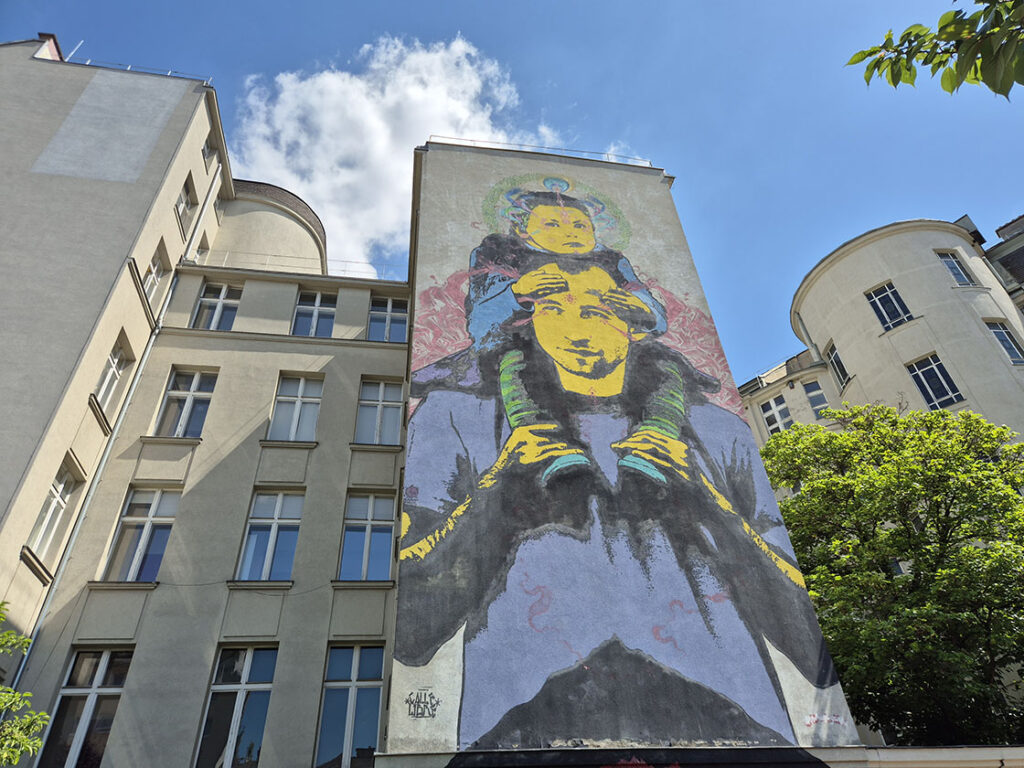
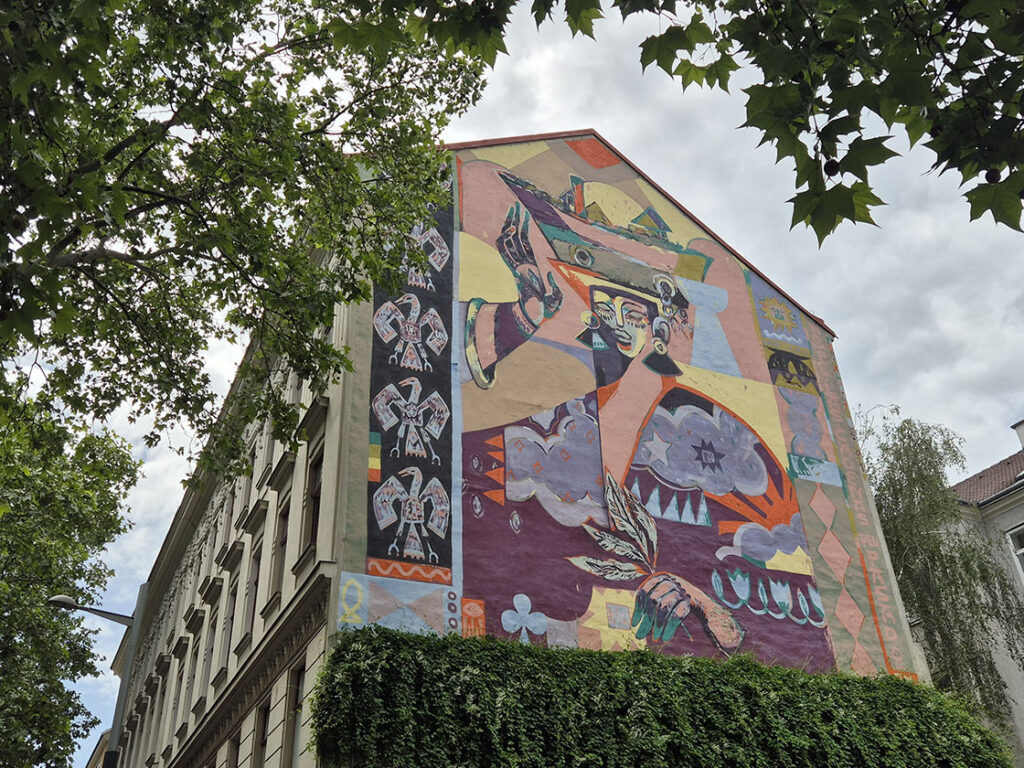
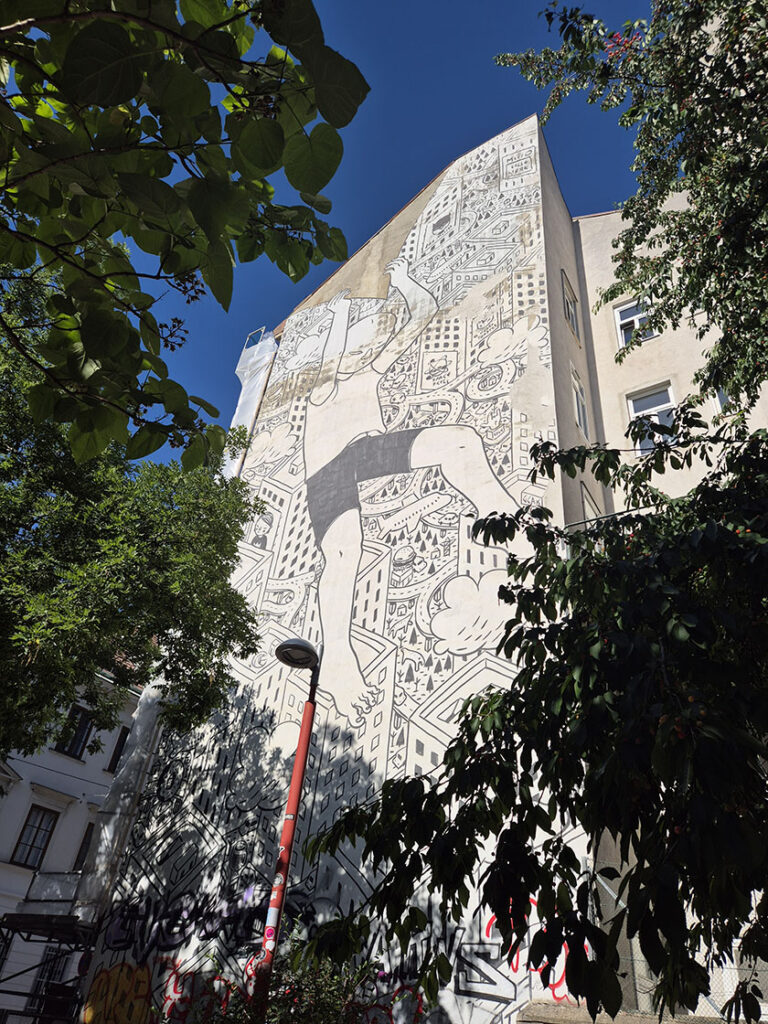
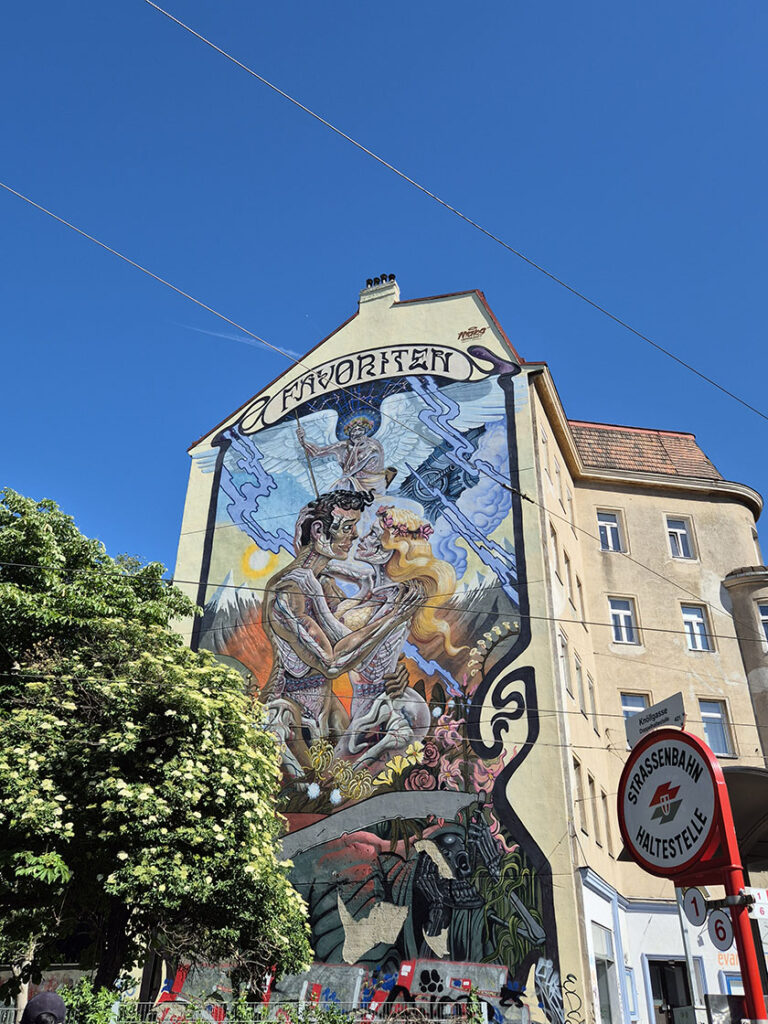
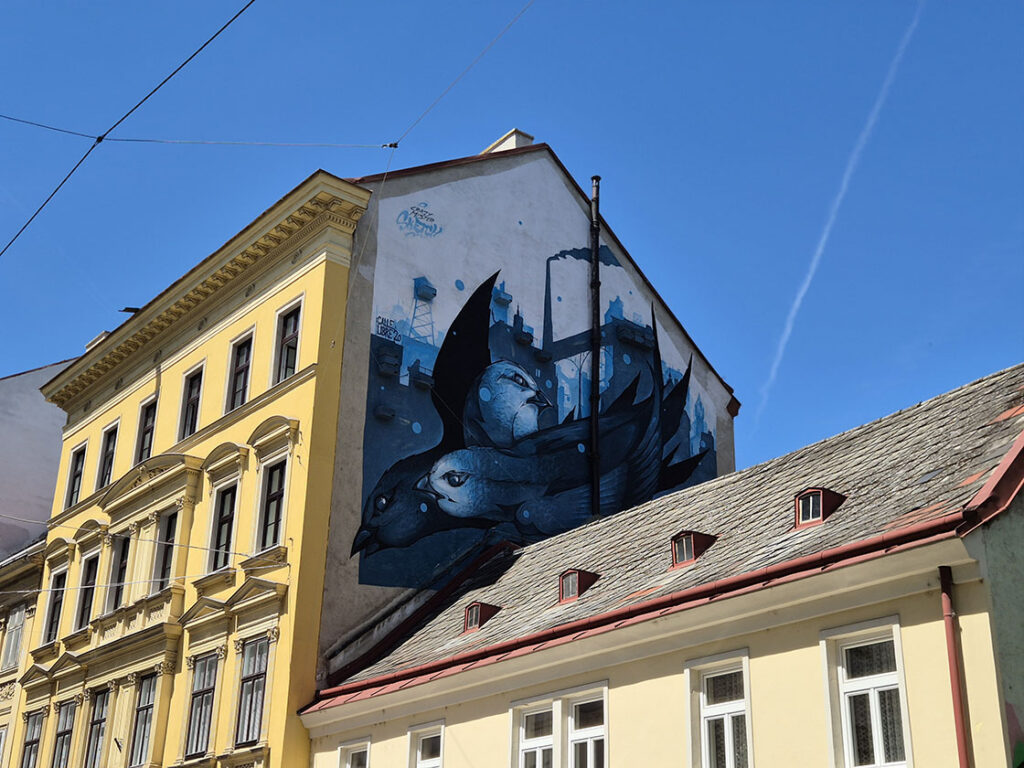
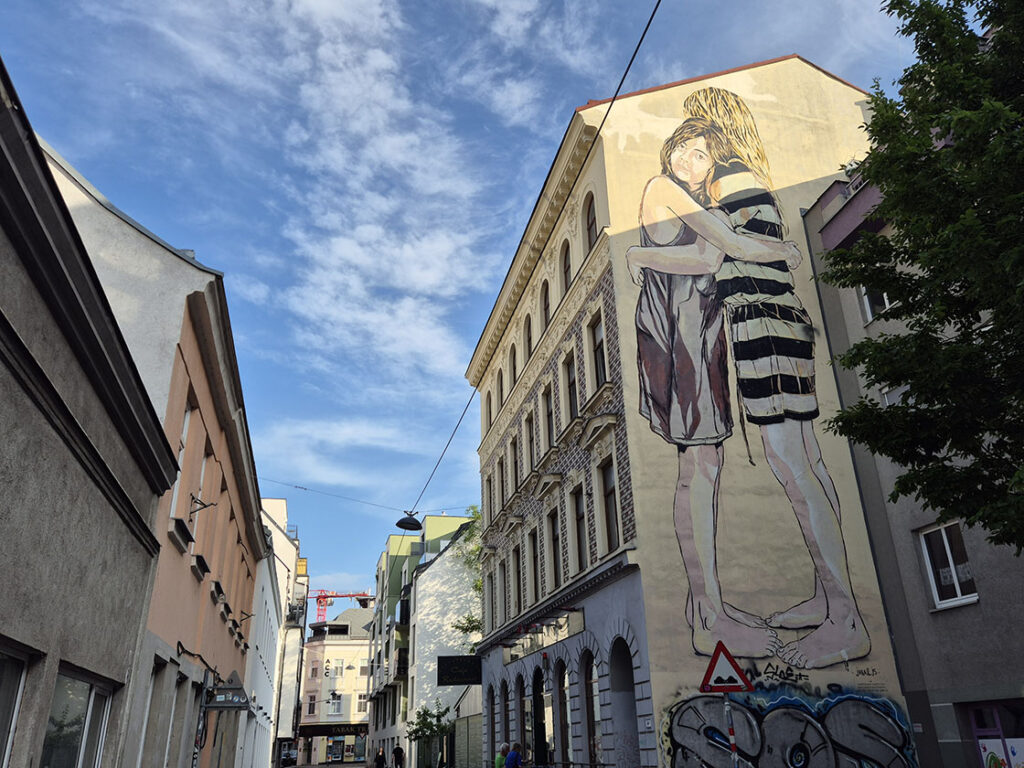
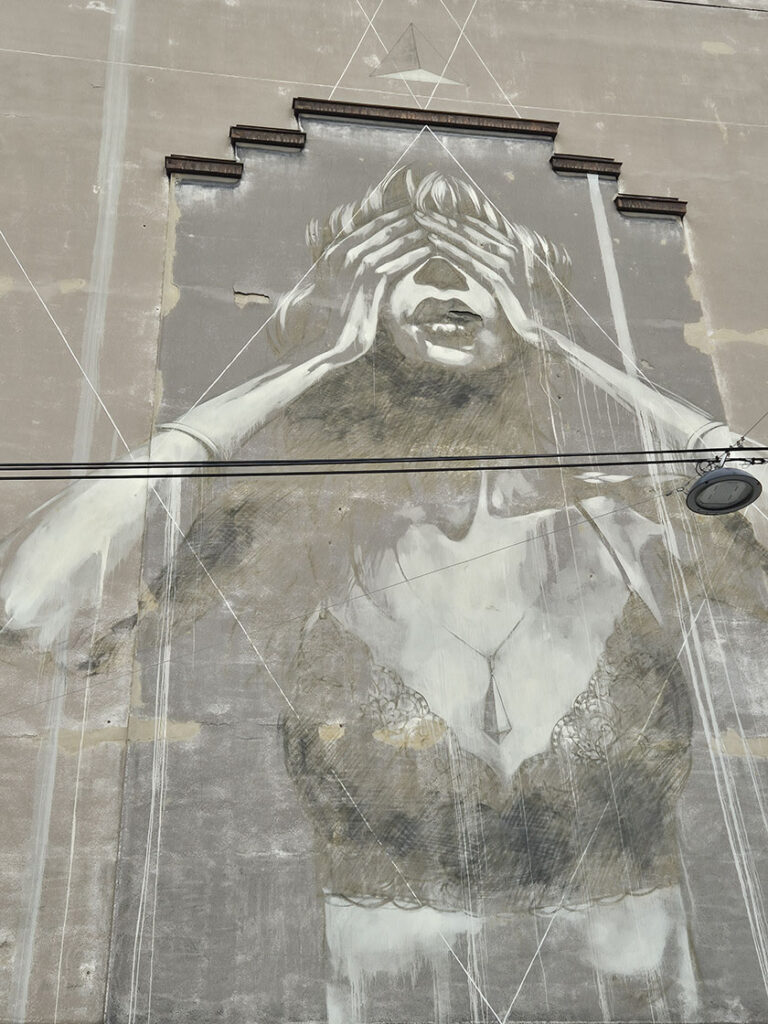
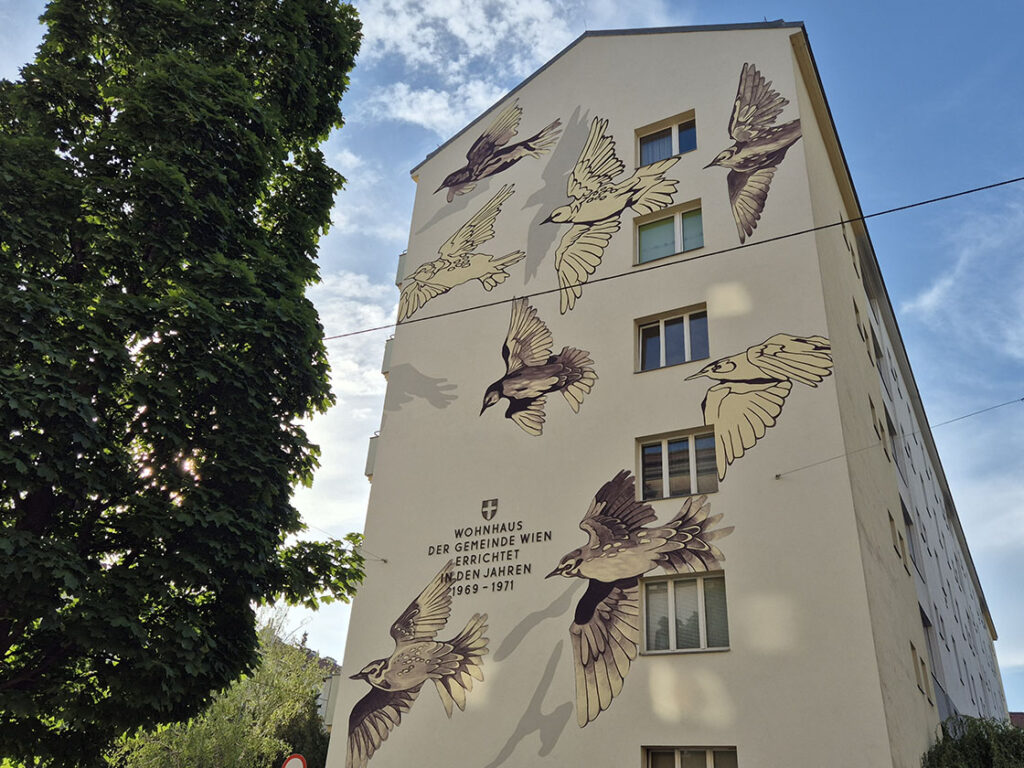
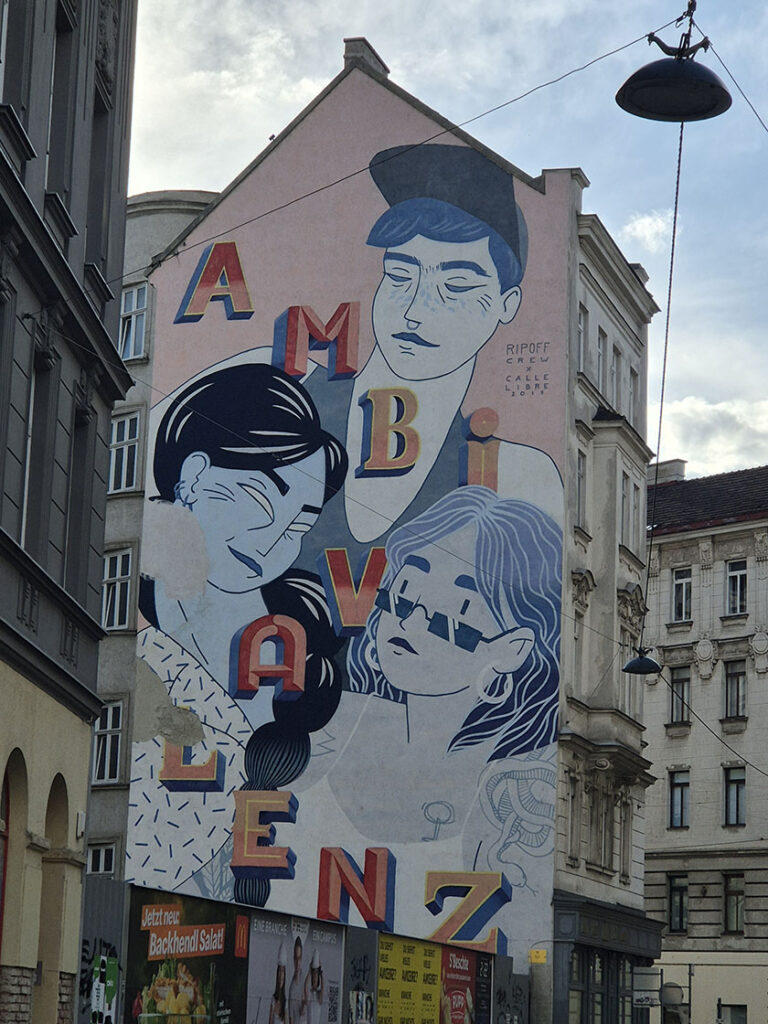
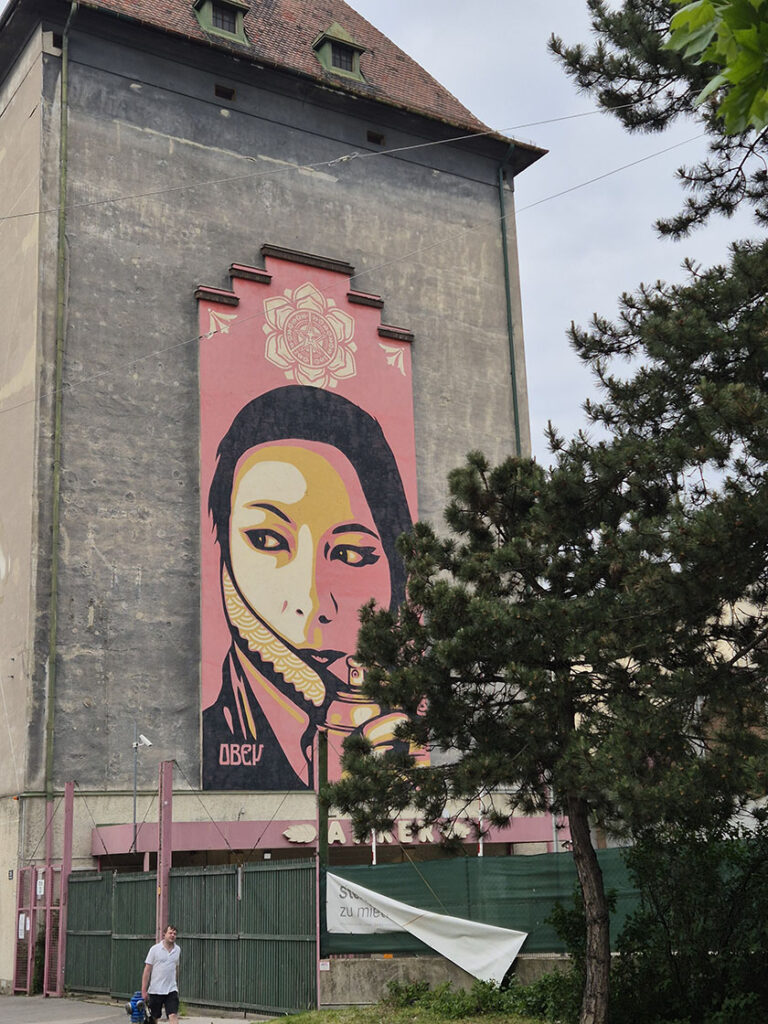
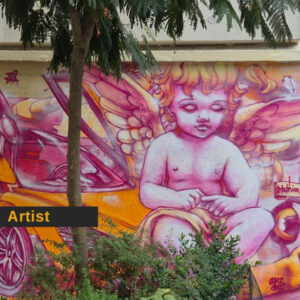
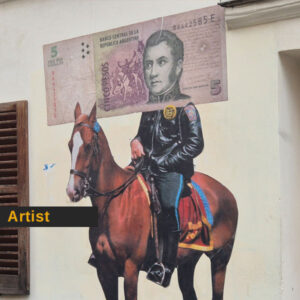
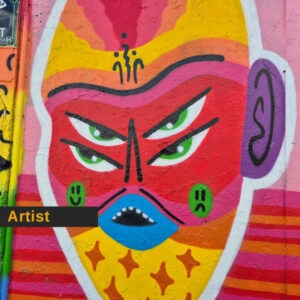
When thinking of Vienna, it is easy to picture Schönbrunn Palace, the State Opera, the historic cafés, and the classical architecture that has made the city one of the world’s most important cultural capitals. Yet behind this elegant image lies a surprising open air gallery, where the façades of residential buildings, industrial structures, side walls, and even the headquarters of international organisations become enormous canvases for leading street artists. Over the past twenty years, Vienna has become one of Europe’s most interesting cities when it comes to large scale murals, and today they offer a fascinating combination of contemporary art, local culture, and municipal initiatives that encourage creativity in public space.
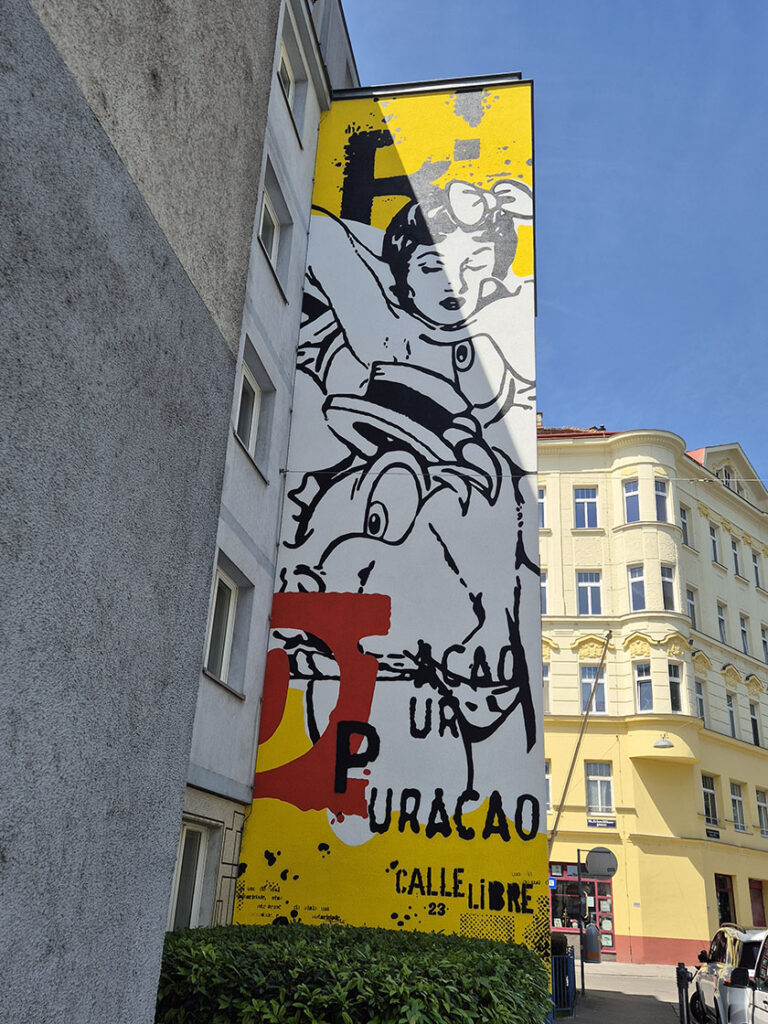
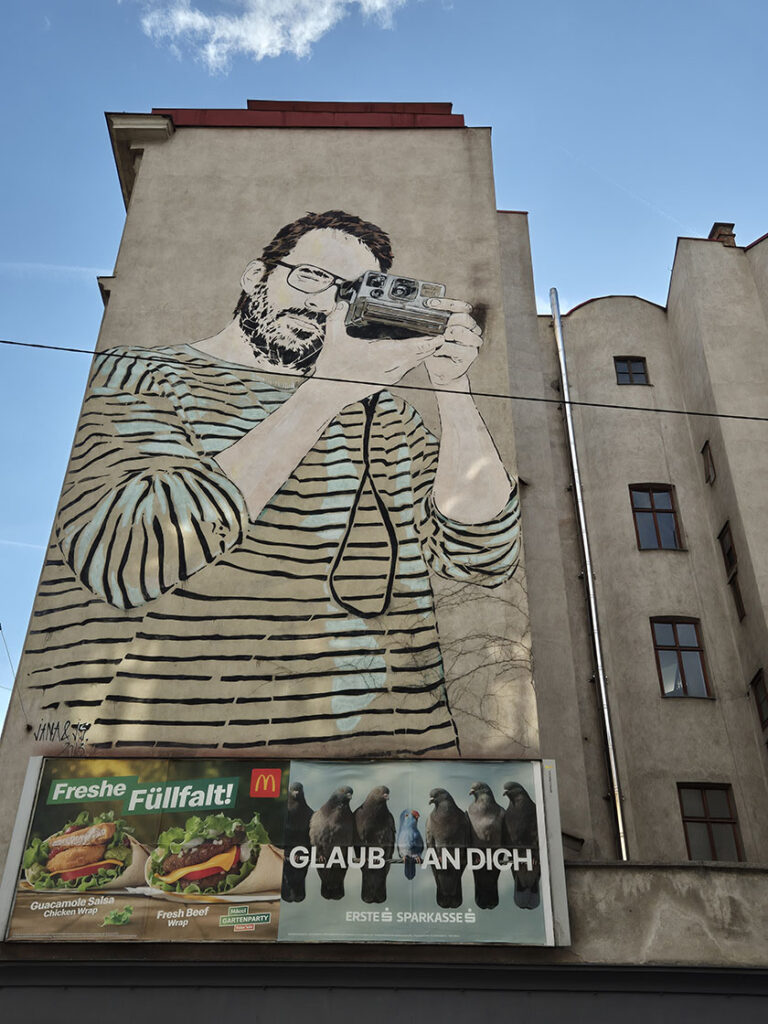
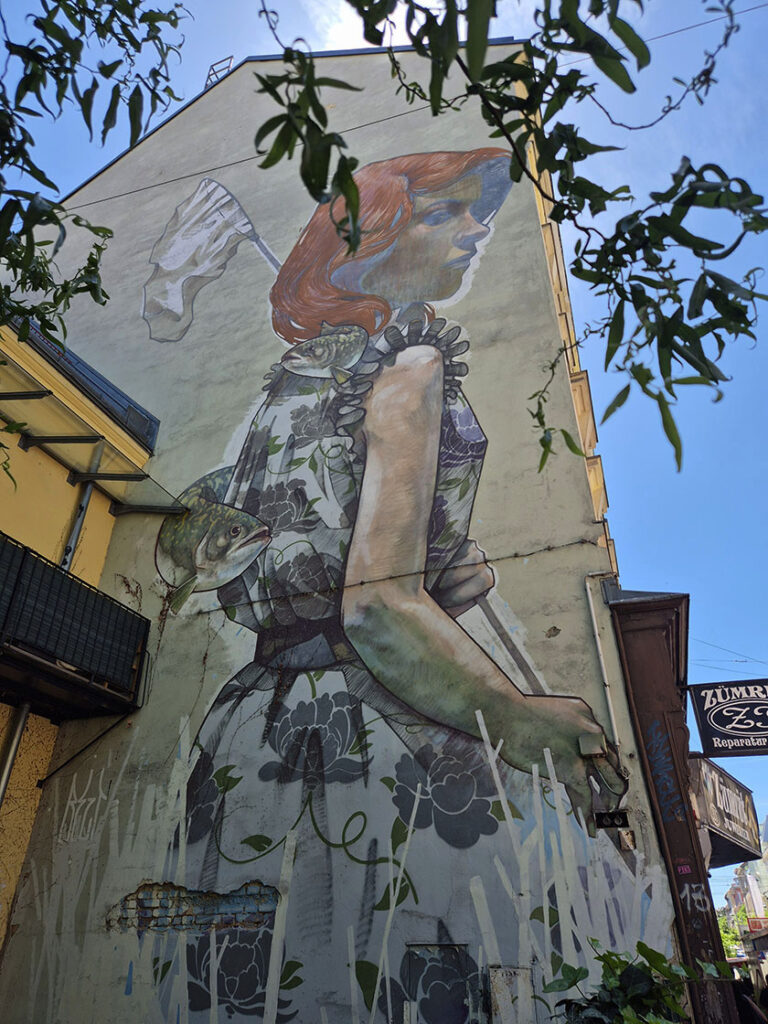
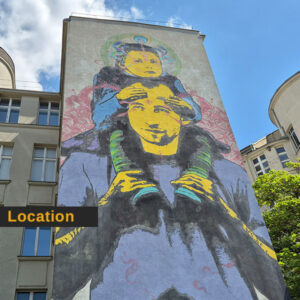
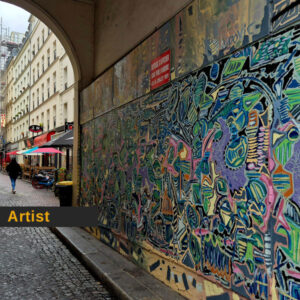
Unlike cities where murals are concentrated in a single area, in Vienna they are spread across different districts, inviting visitors to discover the city from another perspective. Sometimes the work rises to the height of a ten storey building and covers an entire façade, while in other cases it appears on a side wall that is only revealed after turning into a quiet street. The experience feels like an ongoing journey, with each neighbourhood telling a different story through colour, form, and imagination.
You can also use the Vienna Graffiti and Street Art Map
- Discover more than 200 graffiti and street art works across the city’s different neighbourhoods
- View the works both on a map and as a list
- Discover the city’s most interesting neighbourhoods and learn where the works are hidden in each one
- Add street art to the route you have planned in advance
- Use the street art map on Google Maps as your navigation map for all the city’s other attractions
Graffiti and street art are constantly changing and dynamic. The appearance of a work on the map does not guarantee that it still exists or that it has not been altered, removed, or erased. The maps are updated every few years and contain approximately 50% of the works found in these neighbourhoods, so there will always be more for you to discover…
The Calle Libre Festival
One of the main factors behind the development of the field is the Calle Libre Festival, which was founded in 2014 and invites artists from around the world to create new murals across the city each year. Over the years, more than 150 murals have been added to Vienna as part of the festival, which has become one of Europe’s most important street art events. Beyond the works themselves, the festival organises tours, meetings, and activities aimed at making public art accessible to everyone.
Donaukanal: The Danube Canal
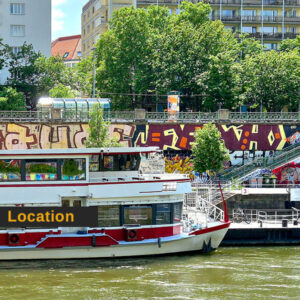
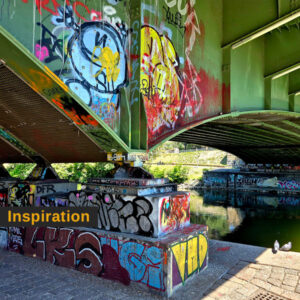
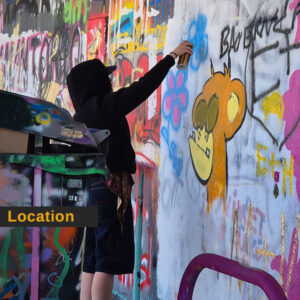
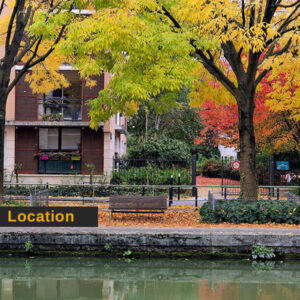
One of the first places worth visiting is the Donaukanal, the Danube Canal. Along the canal walls, there is a unique encounter between constantly changing graffiti and more permanent murals. It is a lively and dynamic space where works that have remained for years can be seen alongside new pieces that are added on a regular basis. The area offers an authentic glimpse into the development of street art in the city and combines established art with free and spontaneous creativity.
Districts such as Neubau, Favoriten, Ottakring, and Meidling also offer an impressive concentration of large murals. In some of them, visitors can walk for long stretches between enormous works without ever entering a museum. In recent years, dedicated walking routes and maps have also been created, allowing visitors to locate the main works and learn about the stories behind them.
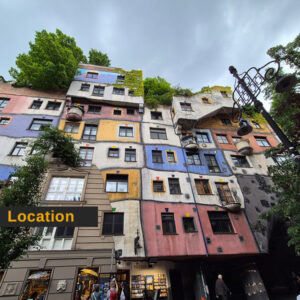
What makes Vienna’s murals unique is not only their size, but also the way they blend into the city. They do not look like foreign additions to the landscape, but rather like an integral part of the public space. A residential building becomes a work of art, an industrial wall is given new life, and a grey façade completely transforms the character of the street. Sometimes the work refers to the history of the location, while at other times it addresses universal themes such as nature, community, identity, the environment, or everyday life.
One of the most interesting decisions made by the curatorial team was not to turn Calle Libre into a competition for the most impressive giant murals. Each year, a central theme is selected, and all the artists are invited to interpret it in their own personal way. The result is a collection of works that differ greatly from one another, yet engage in a dialogue around a shared idea rather than creating a uniform visual language.
The themes chosen over the years have included questions of identity, community, sustainability, hope, inequality, and a shared future. In 2025, for example, the festival was dedicated to the theme Youtopia, a play on the words “You” and “Utopia”, which invited the artists to present their personal vision of a better world. In 2026, the chosen theme was IN EQUALITY, exploring the tension between inequality and the fundamental equality that connects all human beings.
The decision to work around a central idea gives the festival an additional layer of depth. Visitors do not see only beautiful paintings, but a collection of artistic responses to questions that concern contemporary society.
Artists from Around the World
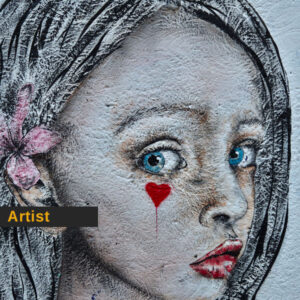
Even those who are not passionate street art enthusiasts will find it difficult to remain indifferent when standing before a mural rising dozens of metres high. The physical power of these works creates an experience entirely different from that of viewing a painting in a gallery. The street becomes an open exhibition space, and the encounter with art takes place naturally while walking, cycling, or sitting in a nearby café.
Although Vienna is not usually the first destination that comes to mind when discussing street art, it has certainly become one of Europe’s most interesting cities in this field. The combination of historic architecture, support for public art initiatives, and the presence of both local and international artists has created a city where an entire day can be spent searching for giant murals. For those willing to stray slightly from the usual tourist route, Vienna reveals another side of itself, colourful, creative, and full of inspiration, proving that even a city so closely associated with tradition can be home to contemporary art on the largest possible scale.
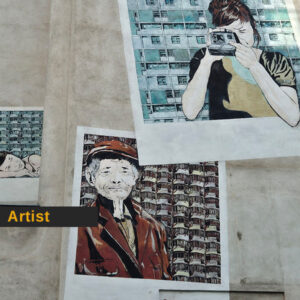
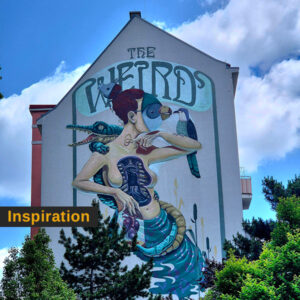
Among the artists whose works appear in the series of posts about street art and graffiti in Vienna: Martin Monet, Stinkfish, AERO, Aktion451, ACAD, ANTZ, BIRDMAN, BIRNE CREW, Boicut, CHINK, CINS, CORD, Creep65, Darja Šatalová, DSA Seven, EDDY, EXFUERZA, FILL MC, Frau Isa, GABINO, Gera 1, GLOD, GOGIRL, Graffiti Kitty, Guillem Font, Hession & Sun, Interesni Kazki, Invader, Jana & JS, Jakob Skirl, KAM2, Kathe Burkhart, Katie Merz, Kollektiv Kaorle, Ledania, Mael Dito, Marlene Hausegger, MESO, MRA, MROK, NENO, Ninet, Nychos, OBEY, OPA, OSA Seven, Oula Al Khatib, PANZA, PEKS, PHOBIA, PISON, Pixel Pancho, POSE, POTMAV, Purraco, Rabbit Eye Movement, Raffael Strasser, RESG, RIOT1394, Ripoff Crew, ROA, Ruin, SALTO, SAMBA, SHAQ, SHUE4X, SLIDE, Skirl, Sophie Esslinger, TEAM WIEN, The Weird, Thorn Speak, TWOOO, VODA WOTAN, WARS, Werjant, WISTER, YOH, ETAB, Yin