The Festival That Changed Street Art in Vienna
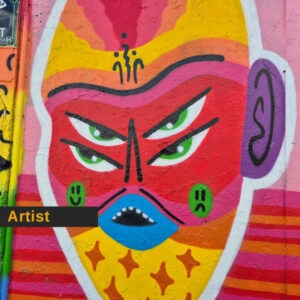
When discussing street art in Vienna, it is almost impossible not to talk about Calle Libre. In fact, it is difficult to understand the local scene without becoming familiar with the festival that has influenced it more than any other initiative over the past decade. Since its establishment in 2014, it has not only invited artists to paint on the city’s walls, but has also worked to change the way Vienna’s residents perceive art in public space. Instead of seeing walls merely as physical boundaries or surfaces for advertising, Calle Libre seeks to transform them into a platform for social, cultural, and artistic dialogue.
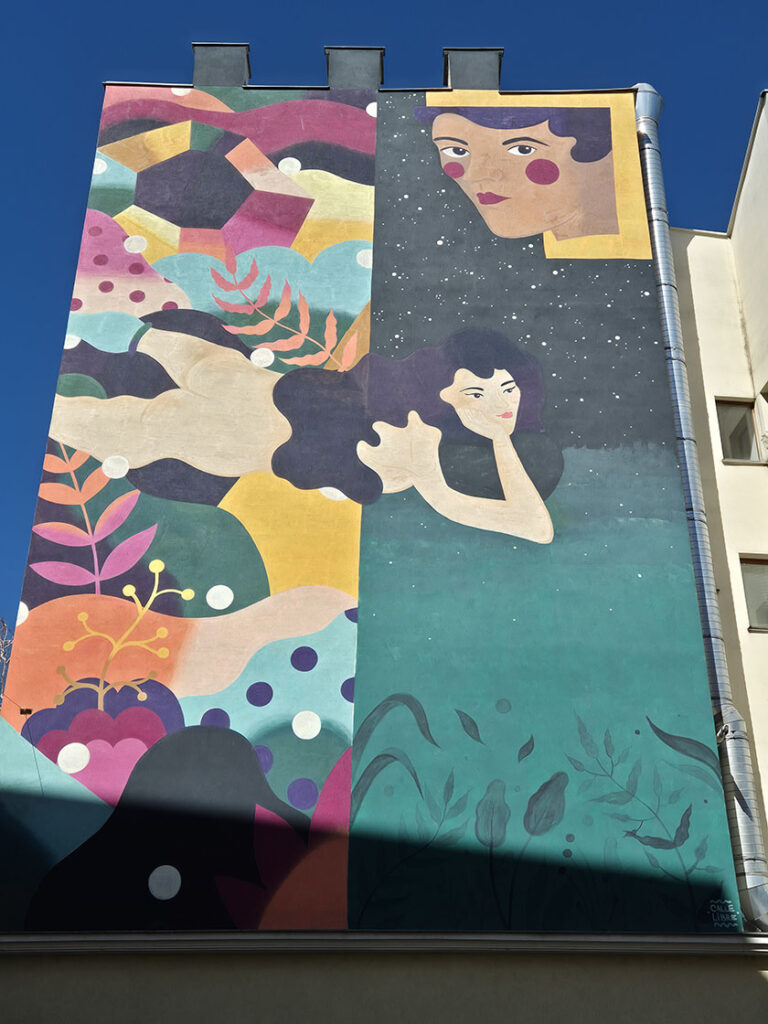
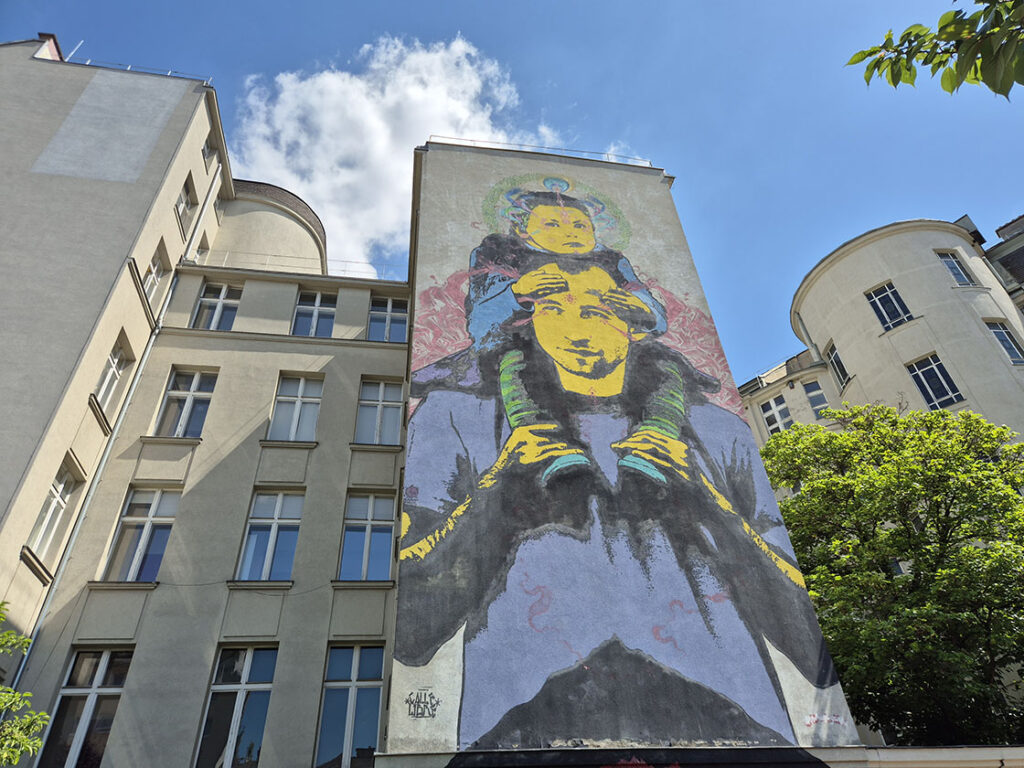
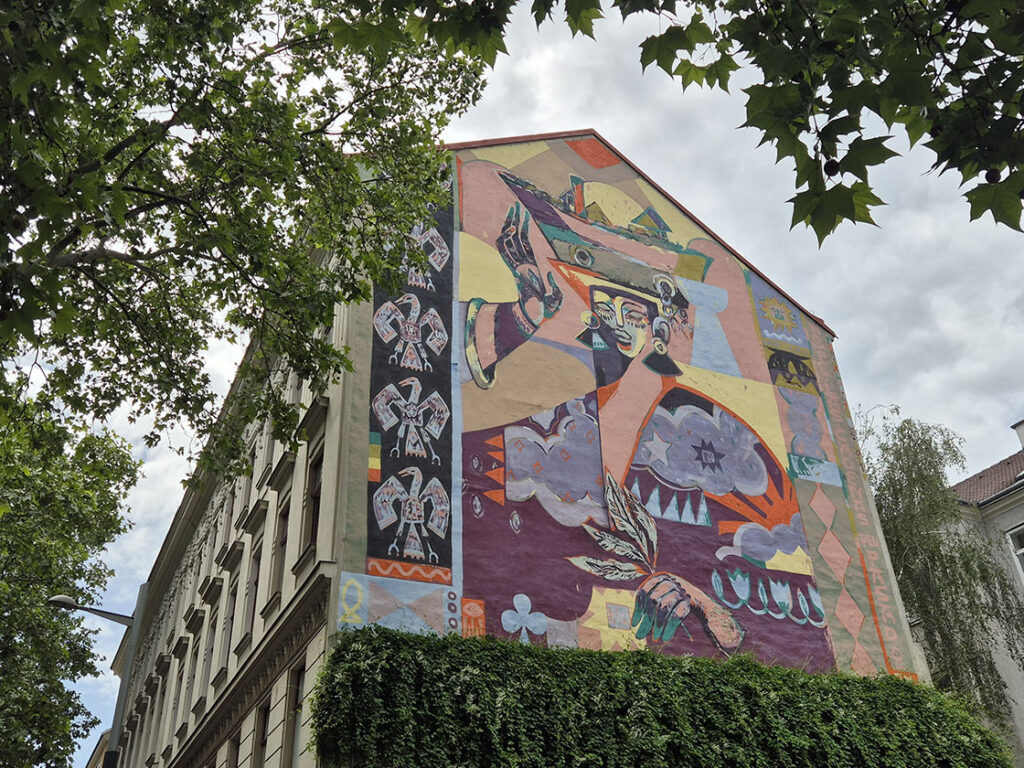
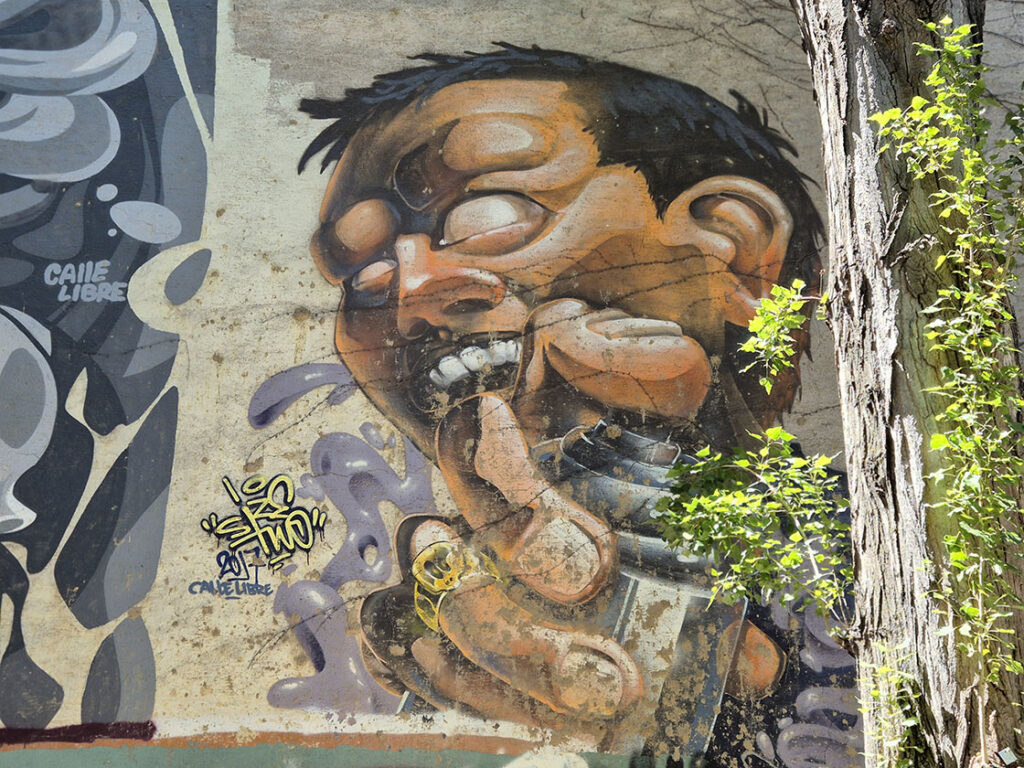
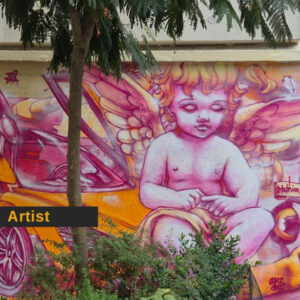
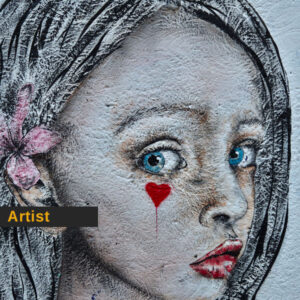
Unlike many festivals that last only a few days and then disappear, Calle Libre leaves behind a legacy that remains in the city for years. Each edition adds another layer to Vienna’s story. A new mural becomes part of the urban landscape, another neighbourhood gains exposure, and residents encounter art on their way to work, school, or the supermarket. In this way, year after year, an open air gallery has been created across the city, one that is not concentrated in a single location but spread throughout different districts.
You can also use the Vienna Graffiti and Street Art Map
- Discover more than 200 graffiti and street art works across the city’s different neighbourhoods
- View the works both on a map and as a list
- Discover the city’s most interesting neighbourhoods and learn where the works are hidden in each one
- Add street art to the route you have planned in advance
- Use the street art map on Google Maps as your navigation map for all the city’s other attractions
Graffiti and street art are constantly changing and dynamic. The appearance of a work on the map does not guarantee that it still exists or that it has not been altered, removed, or erased. The maps are updated every few years and contain approximately 50% of the works found in these neighbourhoods, so there will always be more for you to discover…
How It All Began
Behind the festival is curator and cultural entrepreneur Jakob Kattner, who founded Calle Libre out of a desire to give street art a legitimate place in the public space. His vision was simple yet ambitious: to make art accessible to everyone, with no admission fees, no museum walls, and no social barriers. From his perspective, the city itself is the largest exhibition space imaginable.
מאחורי הפסטיבל עומד האוצר והיזם התרבותי Jakob Kattner, שהקים את Calle Libre מתוך רצון להעניק לאמנות הרחוב מקום לגיטימי במרחב הציבורי. החזון שלו היה פשוט אך שאפתני. להפוך את האמנות לנגישה לכולם, ללא דמי כניסה, ללא קירות מוזיאון וללא מחסומים חברתיים. מבחינתו, העיר עצמה היא חלל התצוגה הגדול ביותר שאפשר לדמיין.
אבל הפסטיבל לא נולד רק מתוך אהבה לציורי קיר. הוא צמח גם מתוך ביקורת על הדרך שבה נתפסה אמנות הרחוב במשך שנים. עבור חלק מהציבור כל ציור על קיר נתפס כוונדליזם. Calle Libre ביקש להציג תמונה רחבה יותר. להראות שאמנות רחוב יכולה להיות כלי ליצירת דיאלוג, לחיזוק קהילה ולדיון בנושאים חברתיים, מבלי לאבד את החופש היצירתי שמאפיין אותה.
כיום הפסטיבל מופעל על ידי עמותה ללא מטרות רווח שמארגנת לאורך השנה כולה סיורים, סדנאות, הרצאות ושיתופי פעולה עם מוסדות תרבות וחינוך. שבוע הפסטיבל הוא רק השיא של פעילות רחבה הרבה יותר.
More Than a Mural Festival
One of the most interesting decisions made by the curatorial team was not to turn Calle Libre into a competition for the most impressive giant murals. Each year, a central theme is selected, and all the artists are invited to interpret it in their own personal way. The result is a collection of works that differ greatly from one another, yet engage in a dialogue around a shared idea rather than creating a uniform visual language.
The themes chosen over the years have included questions of identity, community, sustainability, hope, inequality, and a shared future. In 2025, for example, the festival was dedicated to the theme Youtopia, a play on the words “You” and “Utopia”, which invited the artists to present their personal vision of a better world. In 2026, the chosen theme was IN EQUALITY, exploring the tension between inequality and the fundamental equality that connects all human beings.
The decision to work around a central idea gives the festival an additional layer of depth. Visitors do not see only beautiful paintings, but a collection of artistic responses to questions that concern contemporary society.
אחת ההחלטות המעניינות ביותר של צוות האוצרות הייתה שלא להפוך את Calle Libre לתחרות של ציורי הענק המרשימים ביותר. בכל שנה נבחר נושא מרכזי, וכל האמנים מוזמנים לפרש אותו בדרכם האישית. התוצאה היא אוסף של יצירות שונות מאוד זו מזו, שמקיימות שיחה סביב רעיון משותף במקום ליצור שפה חזותית אחידה.
בין הנושאים שנבחרו לאורך השנים אפשר למצוא שאלות של זהות, קהילה, קיימות, תקווה, אי שוויון ועתיד משותף. בשנת 2025, למשל, הוקדש הפסטיבל לנושא Youtopia, משחק מילים בין “You” ל “Utopia”, שהזמין את האמנים להציג את החזון האישי שלהם לעולם טוב יותר. בשנת 2026 נבחר הנושא IN EQUALITY, שבחן את המתח שבין אי שוויון לבין השוויון הבסיסי שמחבר בין בני האדם.
הבחירה לעבוד סביב רעיון מעניקה לפסטיבל עומק נוסף. המבקר אינו רואה רק ציורים יפים, אלא אוסף של תגובות אמנותיות לשאלות שמעסיקות את החברה העכשווית.
Artists from Around the World
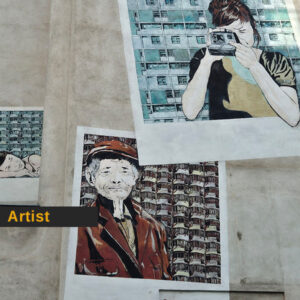
Over the years, Calle Libre has hosted dozens of leading artists from around the world, each bringing a completely different style. Among the prominent names are Nevercrew from Switzerland, known for their surrealist large scale murals; Alex Senna from Brazil, with his distinctive monochromatic figures; Paola Delfín from Mexico; Elian Chali from Argentina; Ledania from Colombia; Mohamed L’Ghacham from Spain; Tamara Alves from Portugal; and JAZ from Argentina. Over the years, they have been joined by dozens of other artists from Europe, Asia, the Americas, and Australia.
Alongside the international artists, the festival also makes a point of providing a platform for Austrian creators. The combination of local artists and well known names from around the world creates an interesting dialogue between the local perspective and international trends in street art.
A Different District Every Year
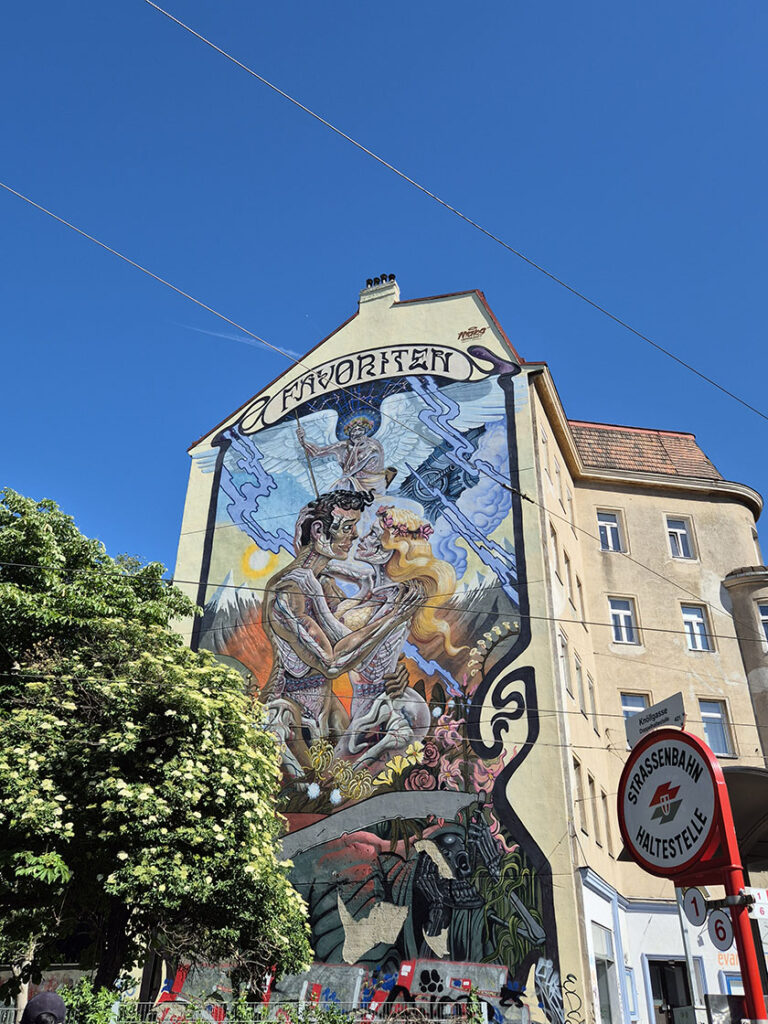
Another feature that distinguishes Calle Libre from other festivals is its decision to focus on a different district of Vienna each year. Instead of concentrating all the works in the same area, the festival moves between different neighbourhoods. Over the years, districts such as Favoriten, Ottakring, Meidling, Döbling, and others have benefited from new murals that have become part of their public space.
This approach has a twofold impact. On the one hand, it spreads street art across the city and encourages visitors to explore less touristy neighbourhoods. On the other hand, it creates a sense of belonging among local residents, who see the buildings in which they live transformed into cultural landmarks.
Far Beyond a Single Week
Anyone who imagines a festival where artists arrive, paint, and then return home is missing a large part of the story. During Calle Libre, the programme includes guided tours, lectures, meetings with artists, painting workshops, activities for children, and community events. Visitors can stand beside the wall while the work is being created, talk with the artists, and watch as a small sketch becomes an enormous mural over the course of several days. This is a completely different experience from viewing a finished work. It reveals the creative process, the technical challenges, and the way a work of art is integrated into the building on which it is painted.
What I Found on the Ground
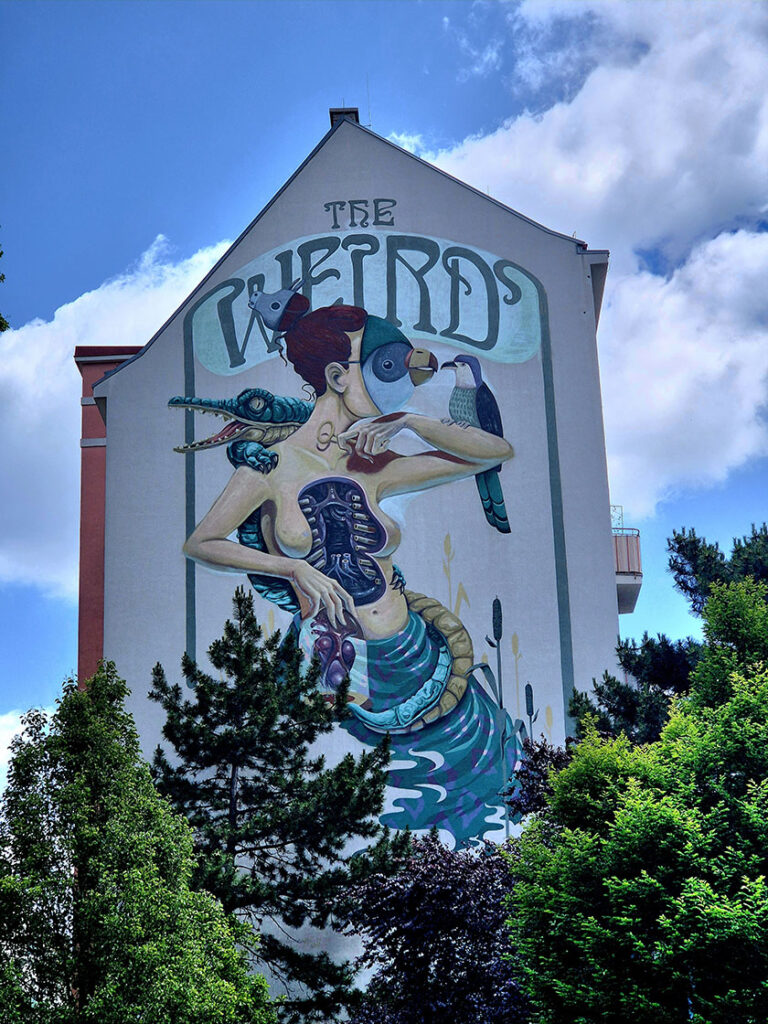
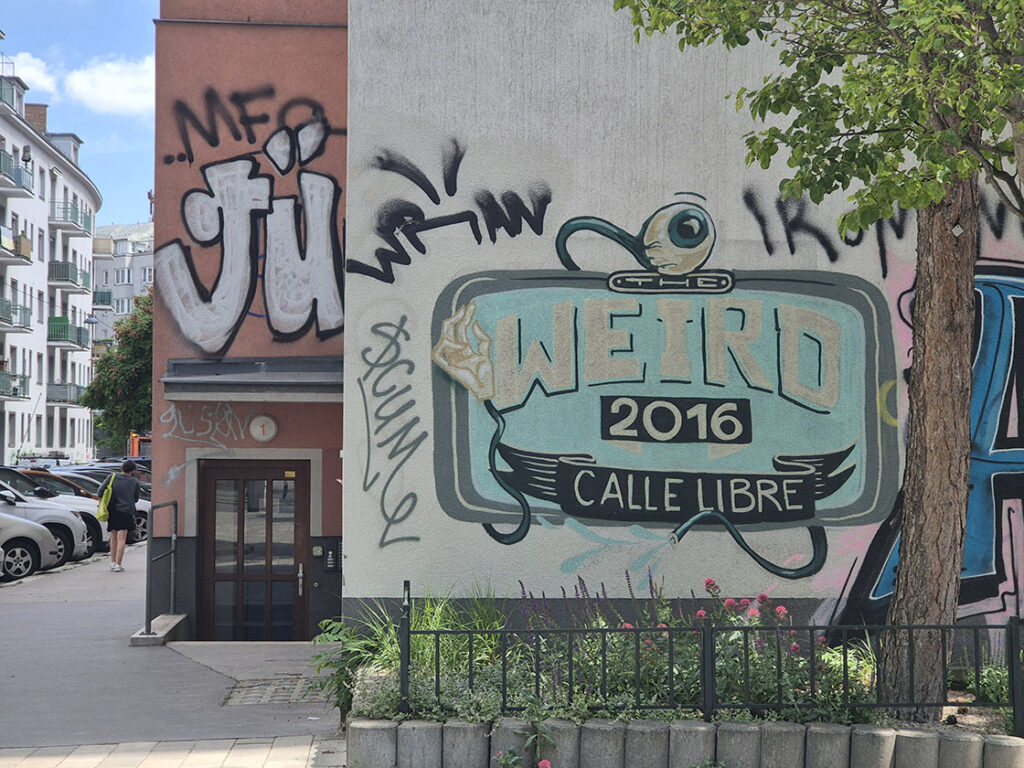
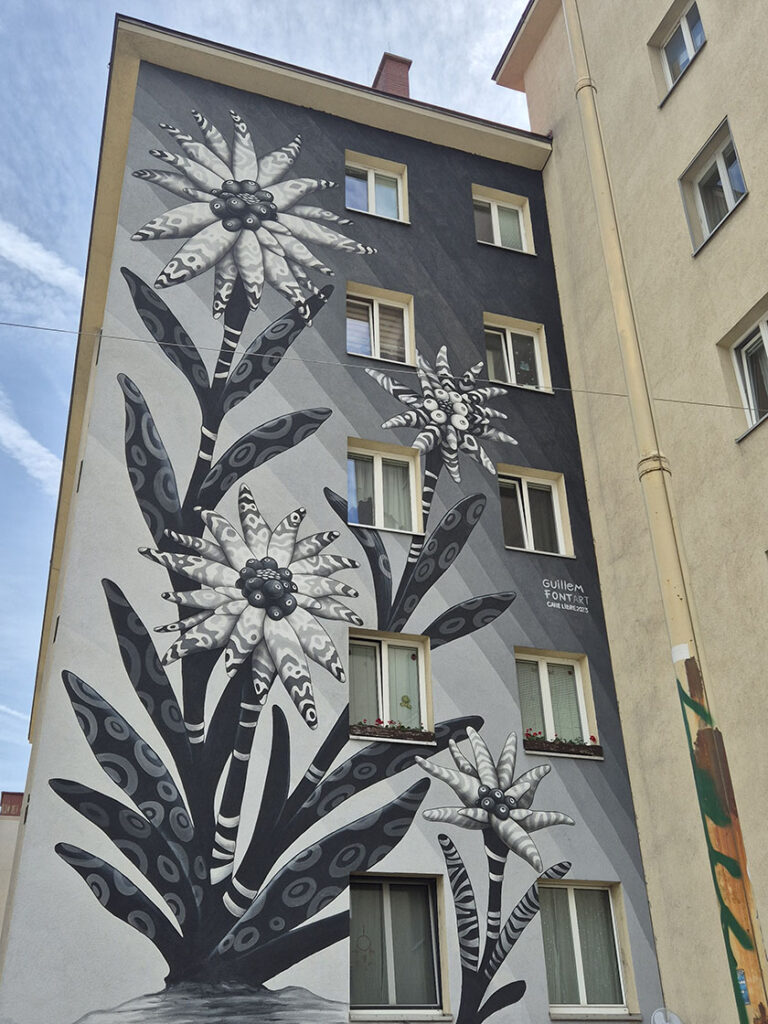
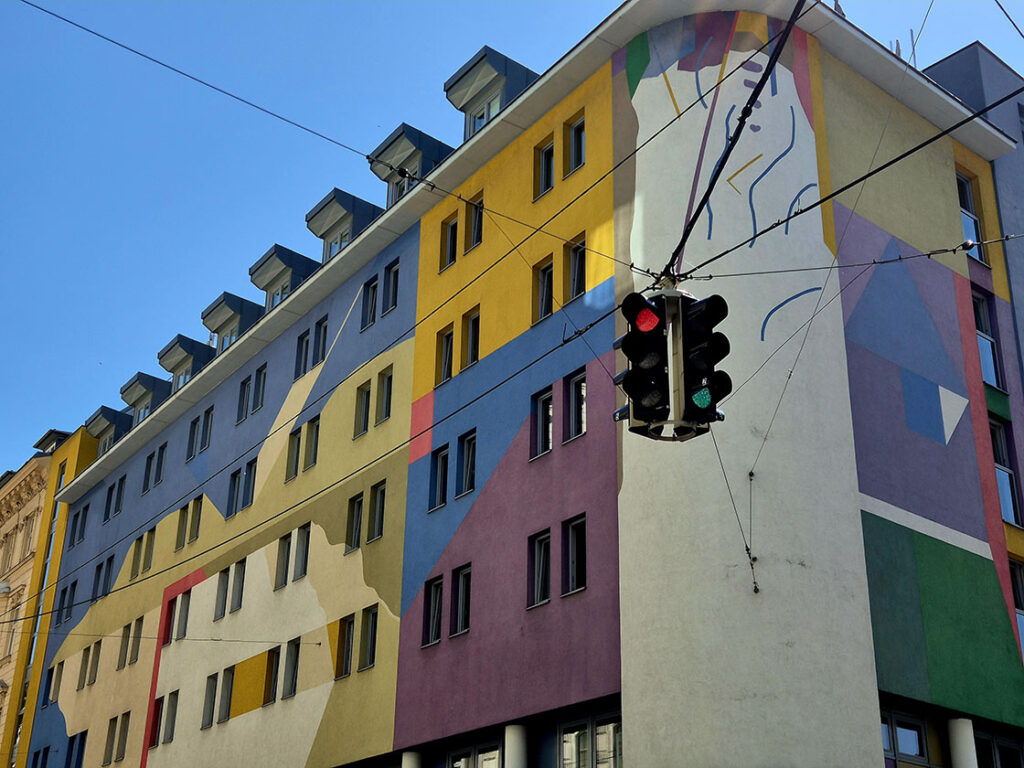
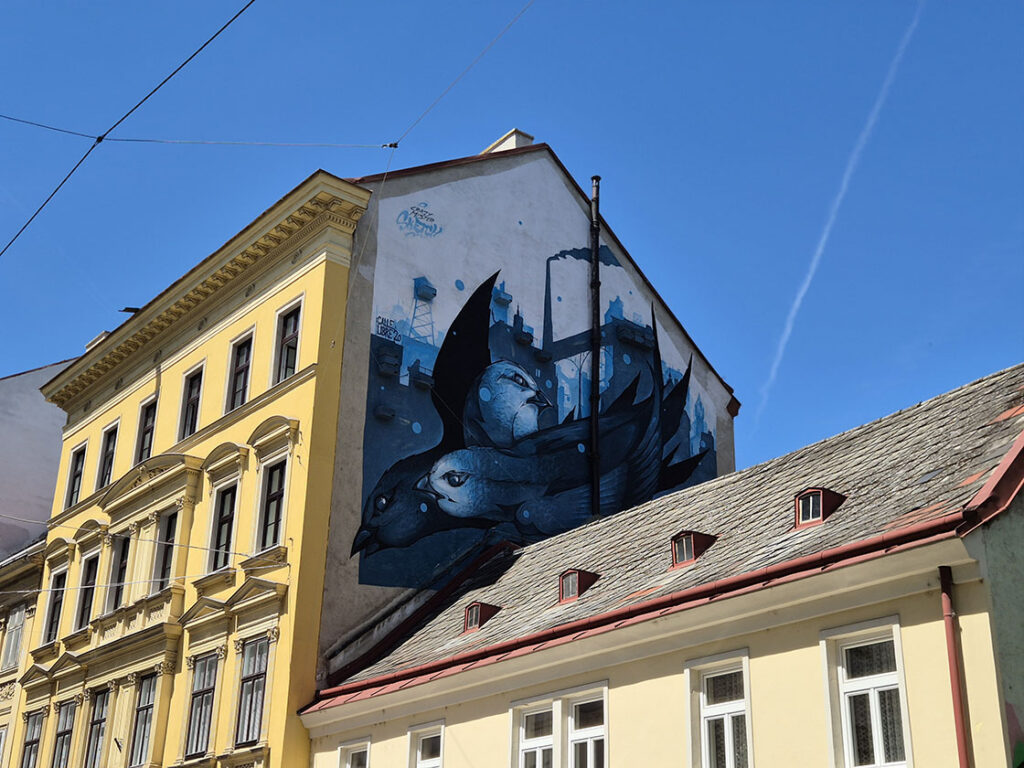
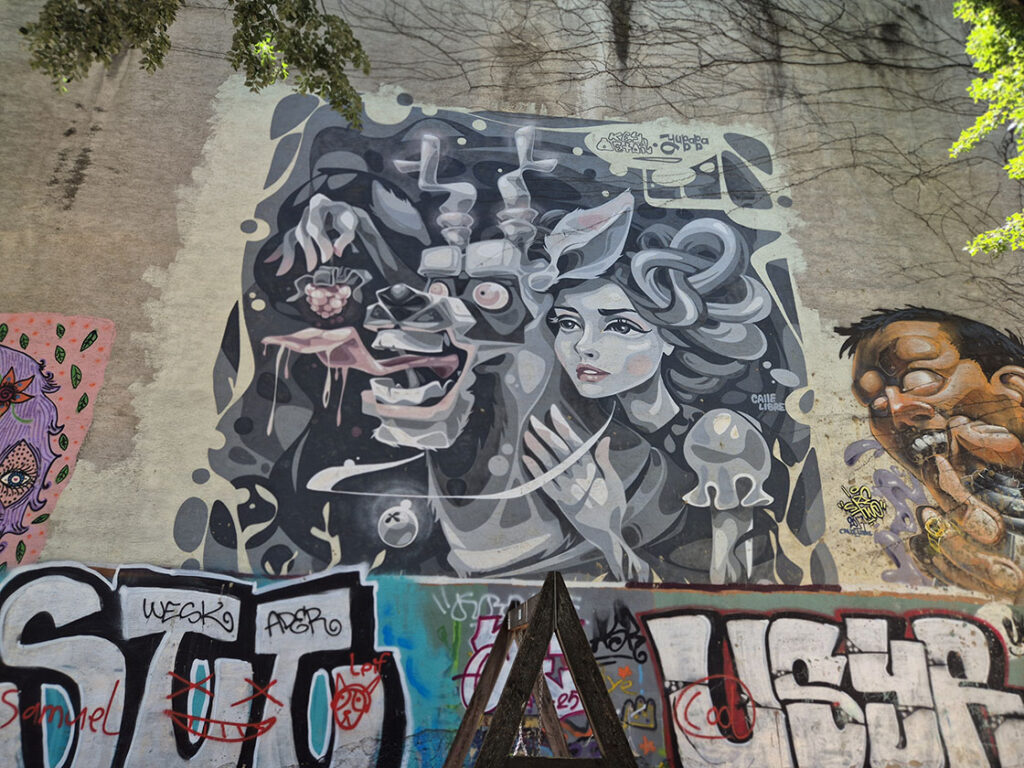
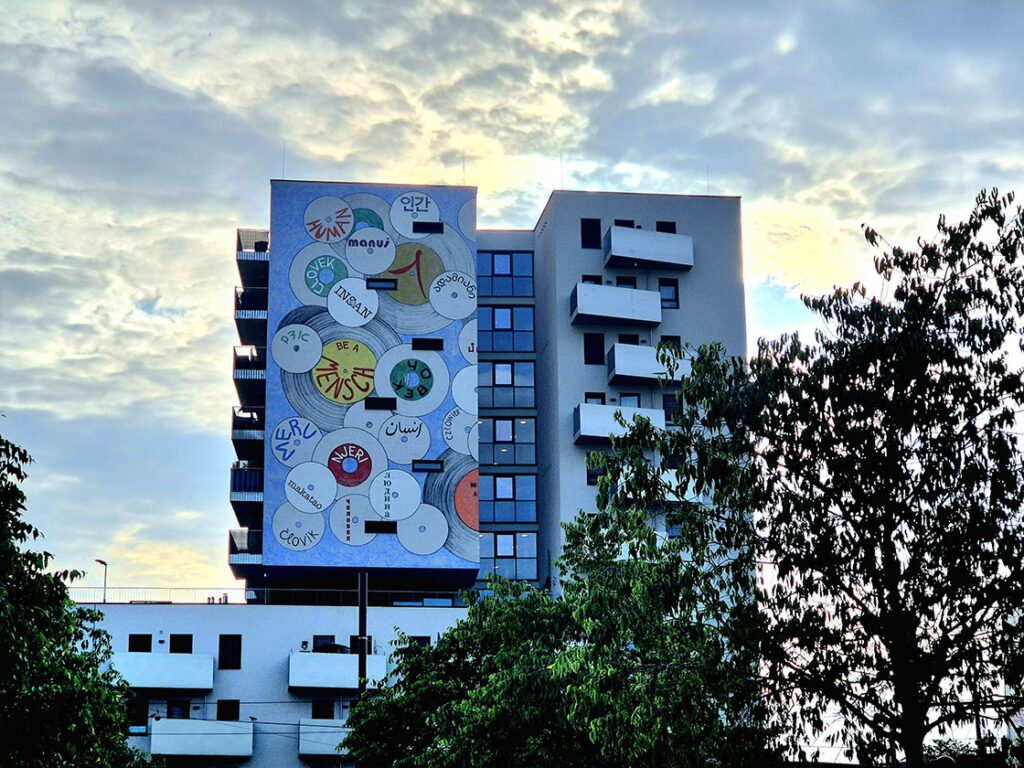
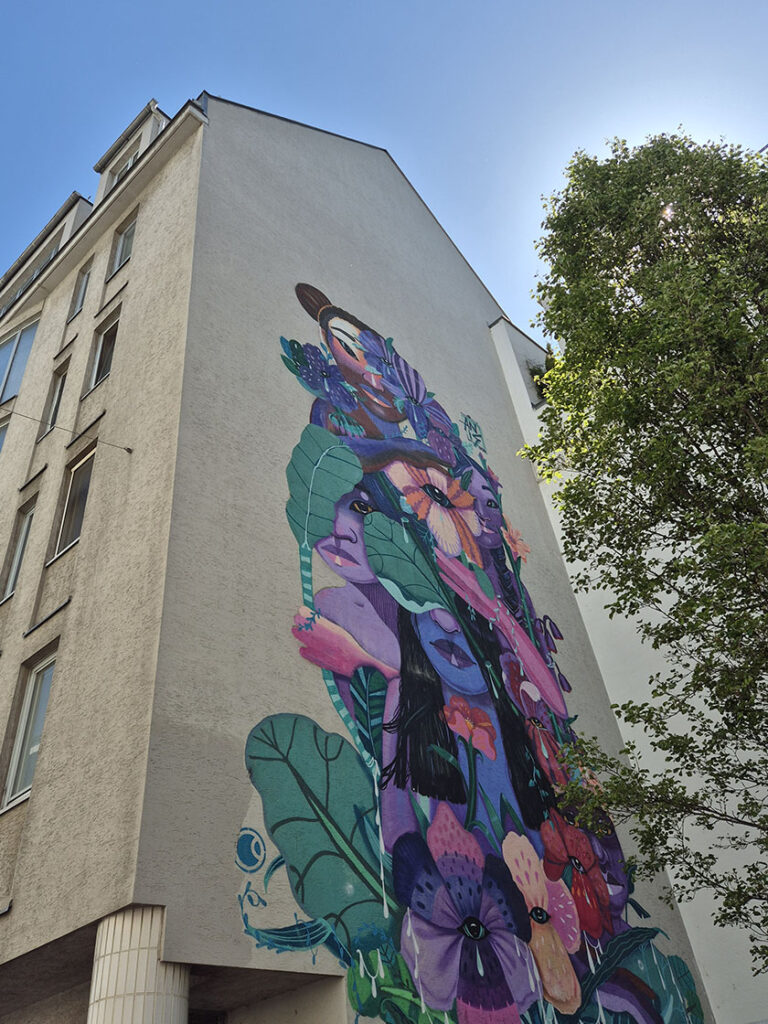
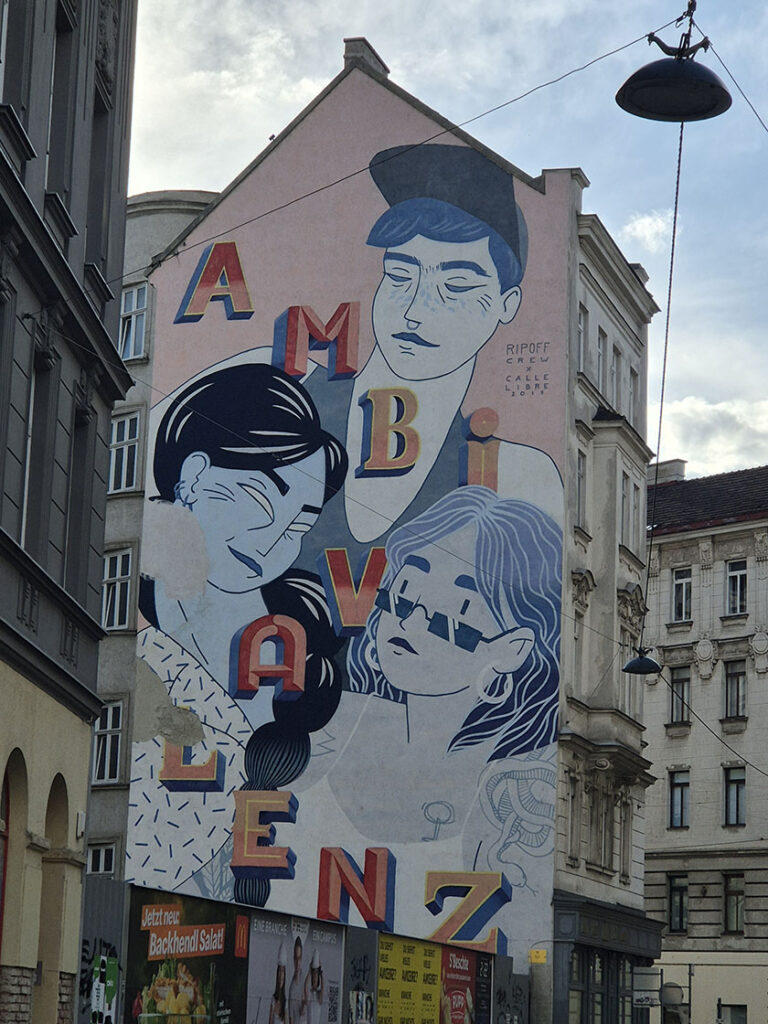
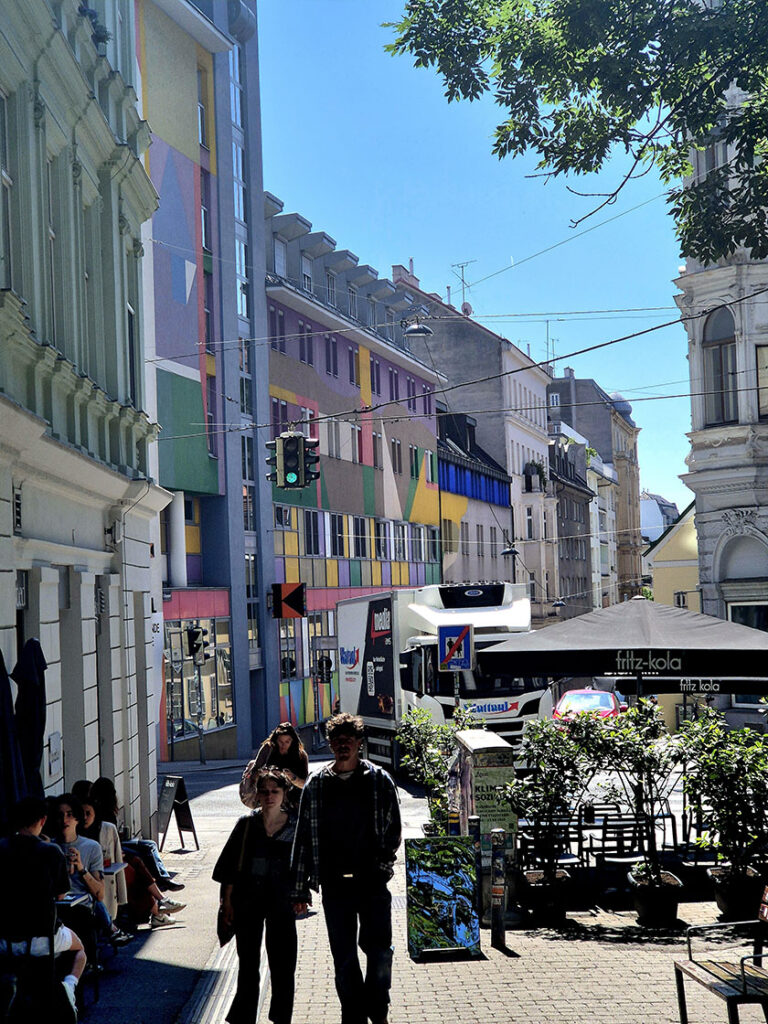
During my tour of Vienna, I encountered quite a few works created as part of Calle Libre, even when it was not always immediately clear that they belonged to the festival. This may be the initiative’s greatest achievement. After more than a decade, the murals are no longer perceived as a one time event, but as an integral part of the city.
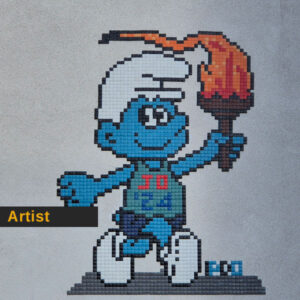
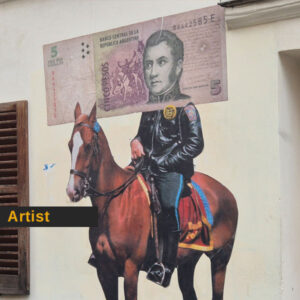
However, it is important to remember that Calle Libre is not the whole story. Alongside the festival, independent artists, graffiti writers, and local initiatives continue to operate, constantly adding new works to the public space. Anyone who comes to Vienna solely because of the festival may therefore miss a significant part of the scene.
Ultimately, Calle Libre did more than bring international artists to Vienna. It changed the relationship between the city and street art. It proved that grey walls can be transformed into vibrant cultural spaces, that colour can spark conversation, and that art in public space can be accessible to everyone, including those who have never set foot in a museum. This may be why the festival has become one of the most important driving forces behind the growth of street art in Vienna, with its influence still visible across the city long after the lifts, scaffolding, and artists have moved on to their next destination.
Among the artists whose works appear in the series of posts about street art and graffiti in Vienna: AERO, Aktion451, ACAD, ANTZ, BIRDMAN, BIRNE CREW, Boicut, CHINK, CINS, CORD, Creep65, Darja Šatalová, DSA Seven, EDDY, EXFUERZA, FILL MC, Frau Isa, GABINO, Gera 1, GLOD, GOGIRL, Graffiti Kitty, Guillem Font, Hession & Sun, Interesni Kazki, Invader, Jana & JS, Jakob Skirl, KAM2, Kathe Burkhart, Katie Merz, Kollektiv Kaorle, Ledania, Mael Dito, Marlene Hausegger, MESO, MRA, MROK, NENO, Ninet, Nychos, OBEY, OPA, OSA Seven, Oula Al Khatib, PANZA, PEKS, PHOBIA, PISON, Pixel Pancho, POSE, POTMAV, Purraco, Rabbit Eye Movement, Raffael Strasser, RESG, RIOT1394, Ripoff Crew, ROA, Ruin, SALTO, SAMBA, SHAQ, SHUE4X, SLIDE, Skirl, Sophie Esslinger, TEAM WIEN, The Weird, Thorn Speak, TWOOO, VODA WOTAN, WARS, Werjant, WISTER, YOH, ETAB, Yin