Graffiti in Vienna

Graffiti in Vienna: Protest, Identity and Culture

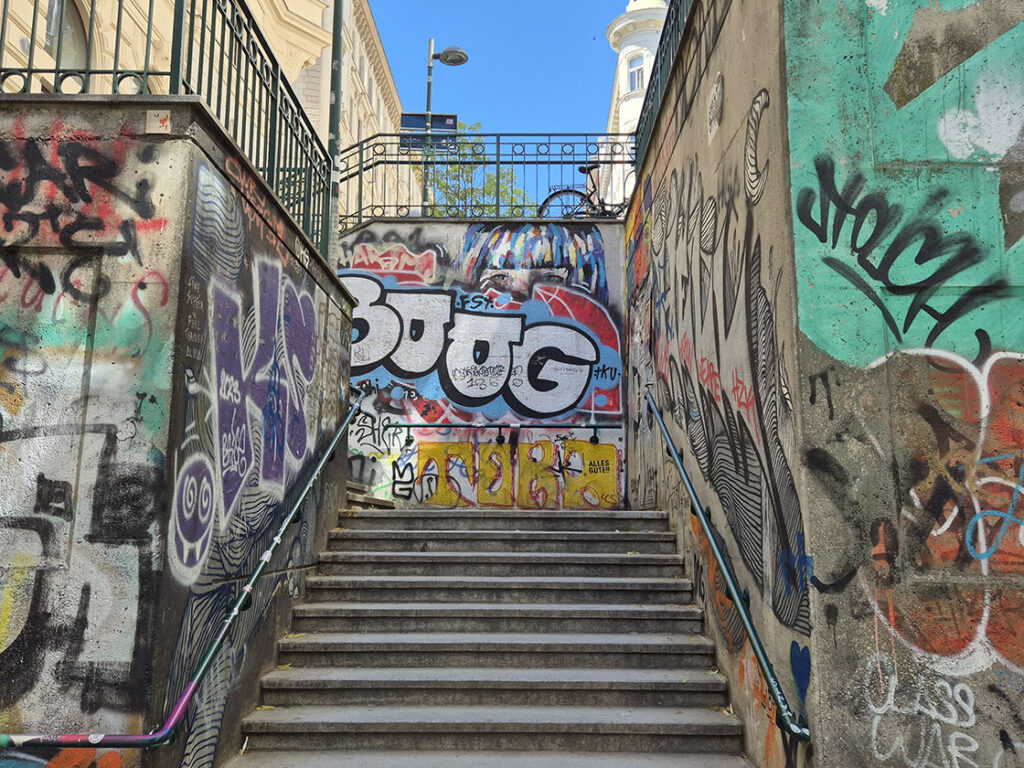
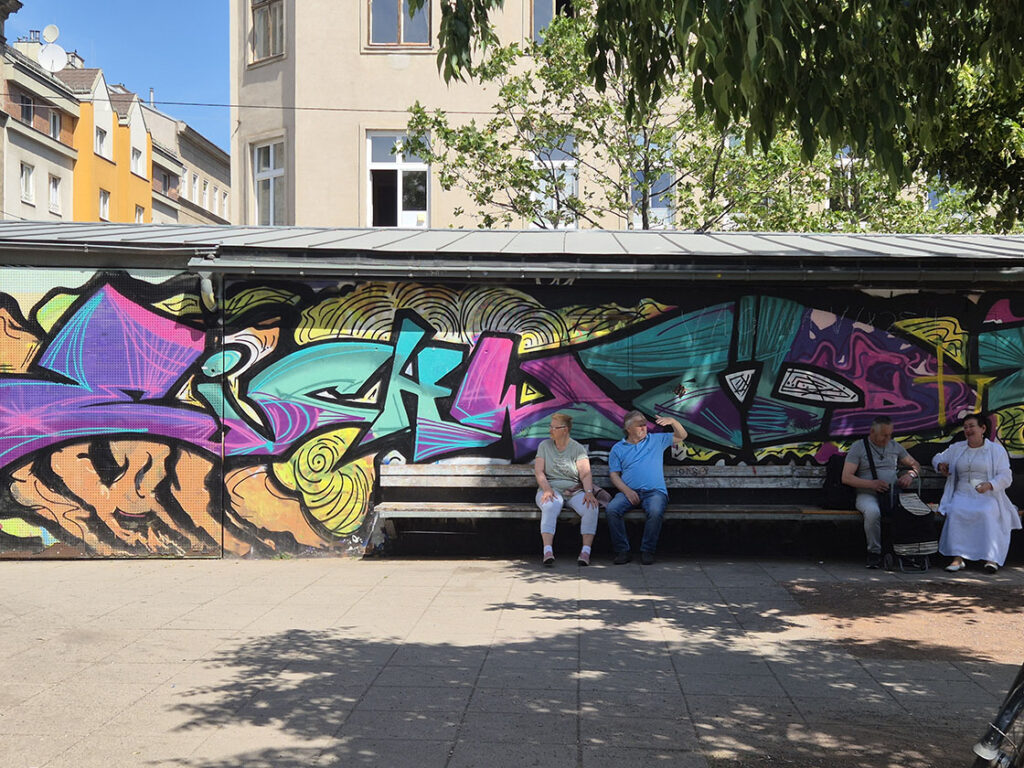
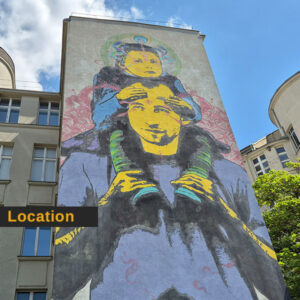
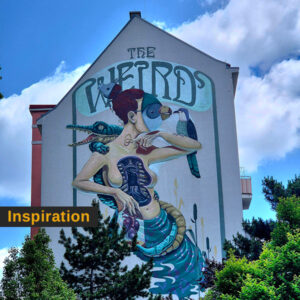
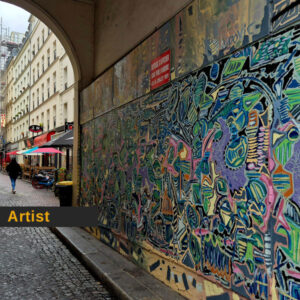
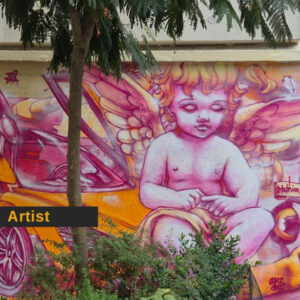
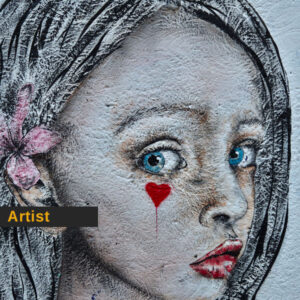
When discussing street art in Vienna, most of the attention is usually directed towards the large murals created as part of the Calle Libre Festival. They are colourful, impressive, and easy to find. But anyone who spends a little time walking through the city’s streets soon discovers that the murals are only part of the story. Beneath the surface, Vienna has a rich, active, and far more dynamic graffiti culture, and it is this culture that gives the local scene its constant sense of life and movement.

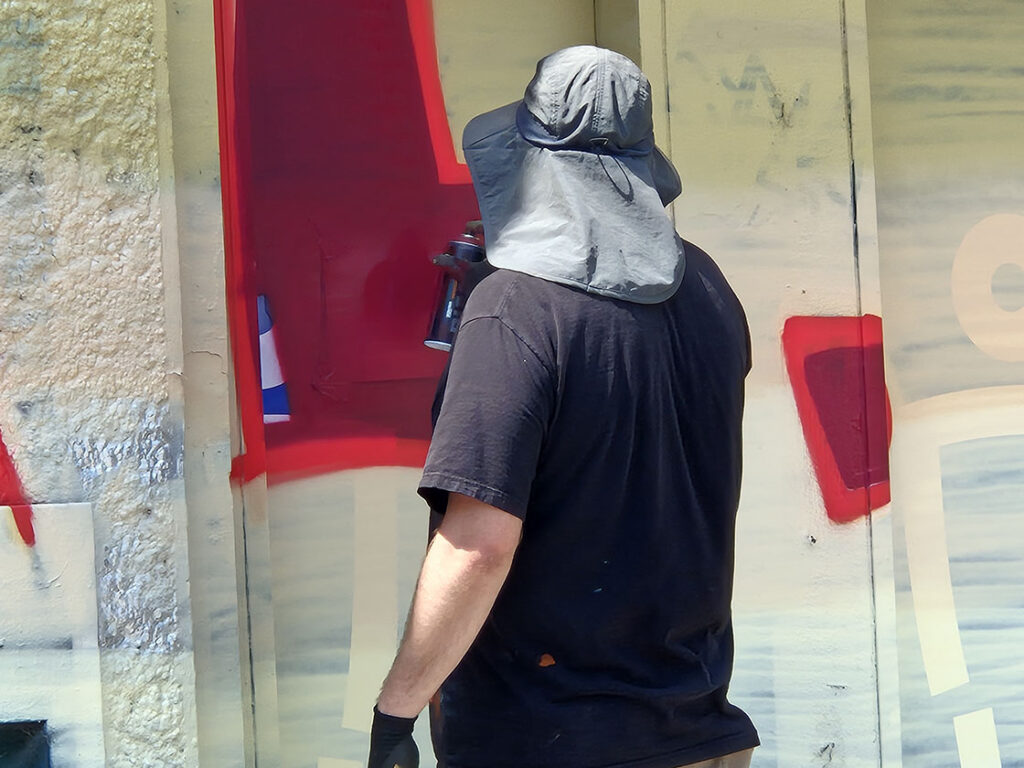
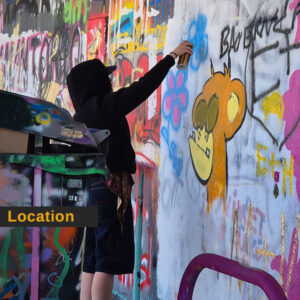
Unlike murals, which sometimes remain for years, graffiti exists at a completely different pace. It appears at night, disappears within days, is replaced by another writer, and returns again and again to the same places. Anyone visiting Vienna several months apart may discover that the walls have changed completely. This temporary nature is precisely one of the most distinctive features of the city’s graffiti culture.

אומנות רחוב, אומנות אורבנית, אמנות אורבנית, גרפיטי, דרור הדדי, גרפיטי פוליטי, קירות מדברים, dror hadadi, graffiti, graffiti dror hadadi, street art, urban art, dodo graffiti #graffiti #graffititelaviv #streetart #graffiti_tel_aviv #streetartwork #streetartdaily #streetartaddicted #contemporaryart #streetart #streetartgallery #telavivartist #streetartofficial #streetartlovers #streetartphotography #streetartiseverywhere #urbanwall #instastreetart #nicestreetart #topstreetart #ilovestreetart #streetartists #streetartphotographer #streetartandgraffiti #urbanstreetart #streetartphoto #urbancontemporaryart #instagraffiti #stickerart #drorhadadi

You can also use the Vienna Graffiti and Street Art Map

  • Discover more than 200 graffiti and street art works across the city’s different neighbourhoods
  • View the works both on a map and as a list
  • Discover the city’s most interesting neighbourhoods and learn where the works are hidden in each one
  • Add street art to the route you have planned in advance
  • Use the street art map on Google Maps as your navigation map for all the city’s other attractions

Graffiti and street art are constantly changing and dynamic. The appearance of a work on the map does not guarantee that it still exists or that it has not been altered, removed, or erased. The maps are updated every few years and contain approximately 50% of the works found in these neighbourhoods, so there will always be more for you to discover…

Long Before the Murals

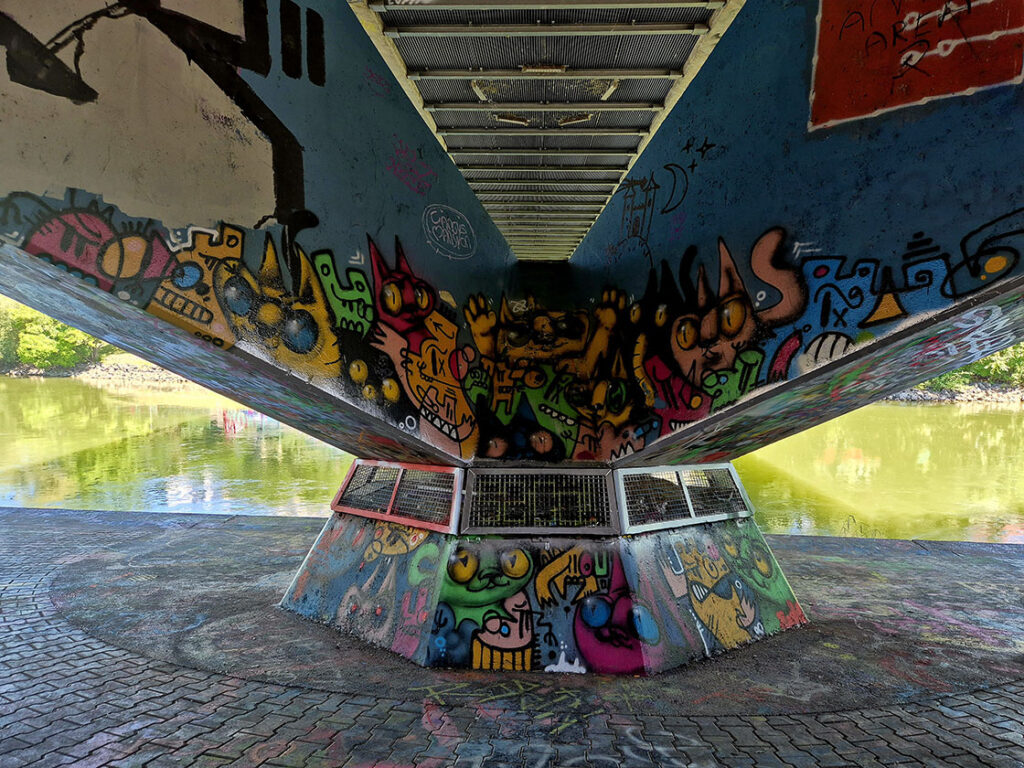
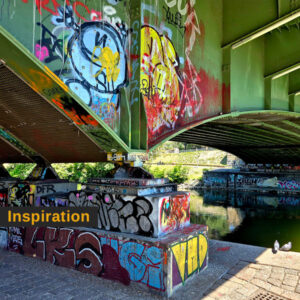
Long before street art festivals turned Vienna into a recognised destination among enthusiasts of the genre, an active graffiti community already existed here. As in many European cities, it all began with simple inscriptions, tags, and letter based pieces created mainly along railway tracks, beneath bridges, on concrete walls, and across industrial buildings.

Over the years, a close knit scene of graffiti writers developed, with each one creating a personal style and graphic language of their own. Some remained completely anonymous, while others became well known figures within the local community. Most of them, however, continue to see graffiti as a form of personal expression rather than a work of art intended for the wider public. This approach can still be clearly felt throughout the city.

אומנות רחוב, אומנות אורבנית, אמנות אורבנית, גרפיטי, דרור הדדי, גרפיטי פוליטי, קירות מדברים, dror hadadi, graffiti, graffiti dror hadadi, street art, urban art, dodo graffiti #graffiti #graffititelaviv #streetart #graffiti_tel_aviv #streetartwork #streetartdaily #streetartaddicted #contemporaryart #streetart #streetartgallery #telavivartist #streetartofficial #streetartlovers #streetartphotography #streetartiseverywhere #urbanwall #instastreetart #nicestreetart #topstreetart #ilovestreetart #streetartists #streetartphotographer #streetartandgraffiti #urbanstreetart #streetartphoto #urbancontemporaryart #instagraffiti #stickerart #drorhadadi

The Donaukanal Is the Heart of the Scene

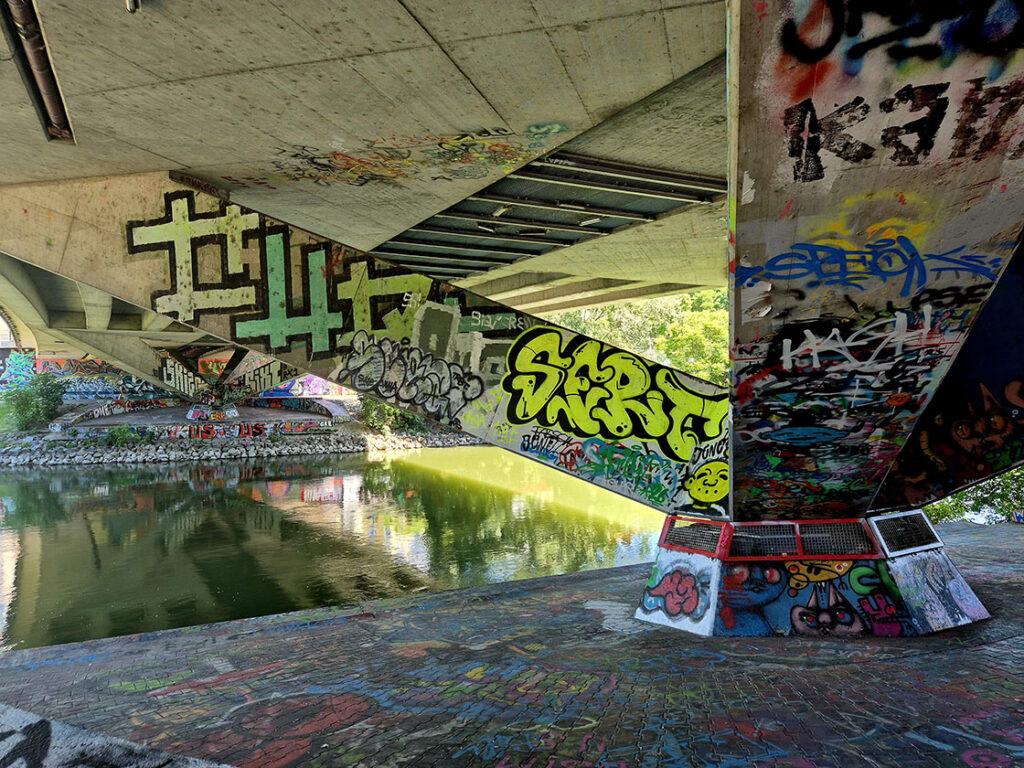
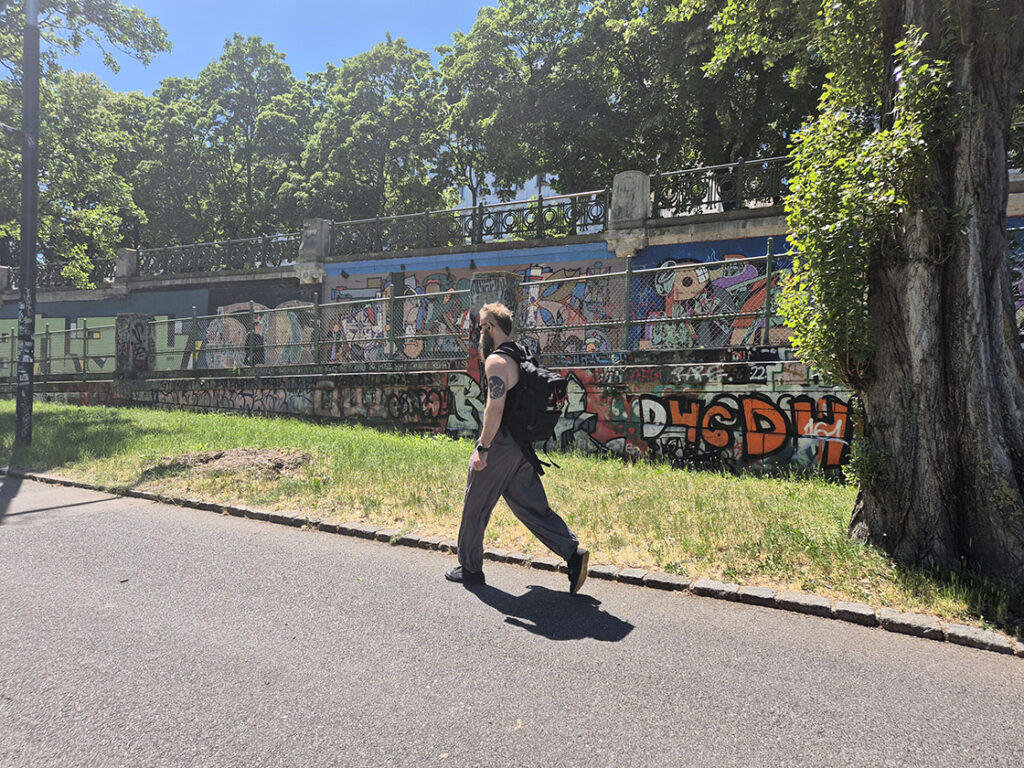
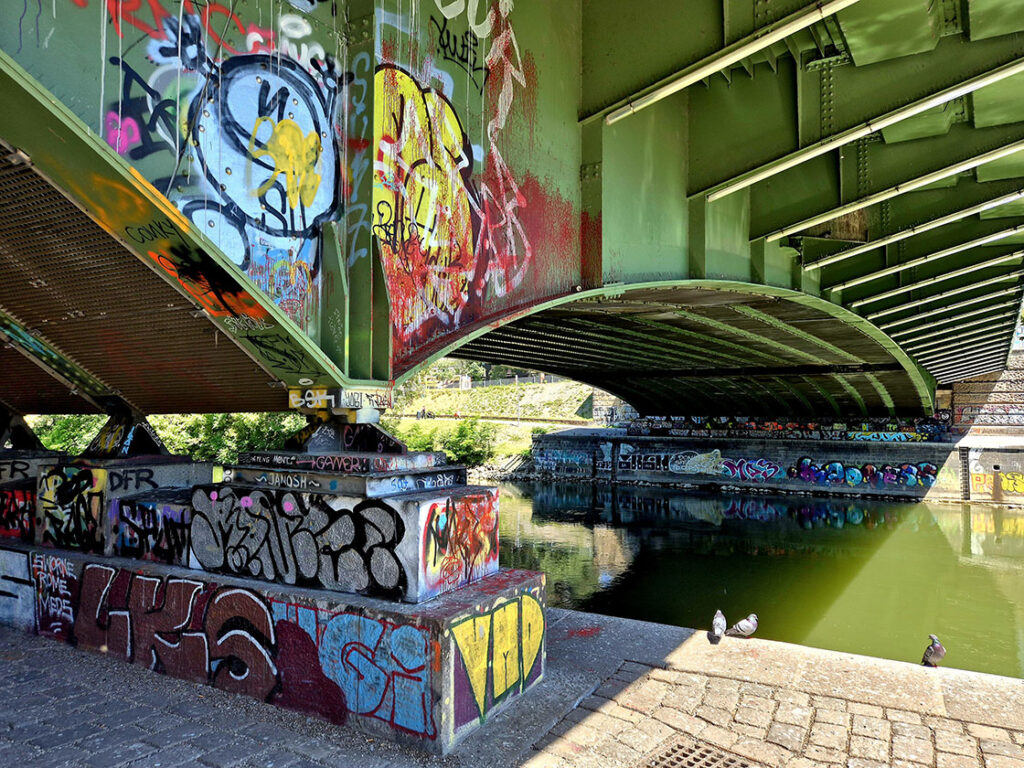
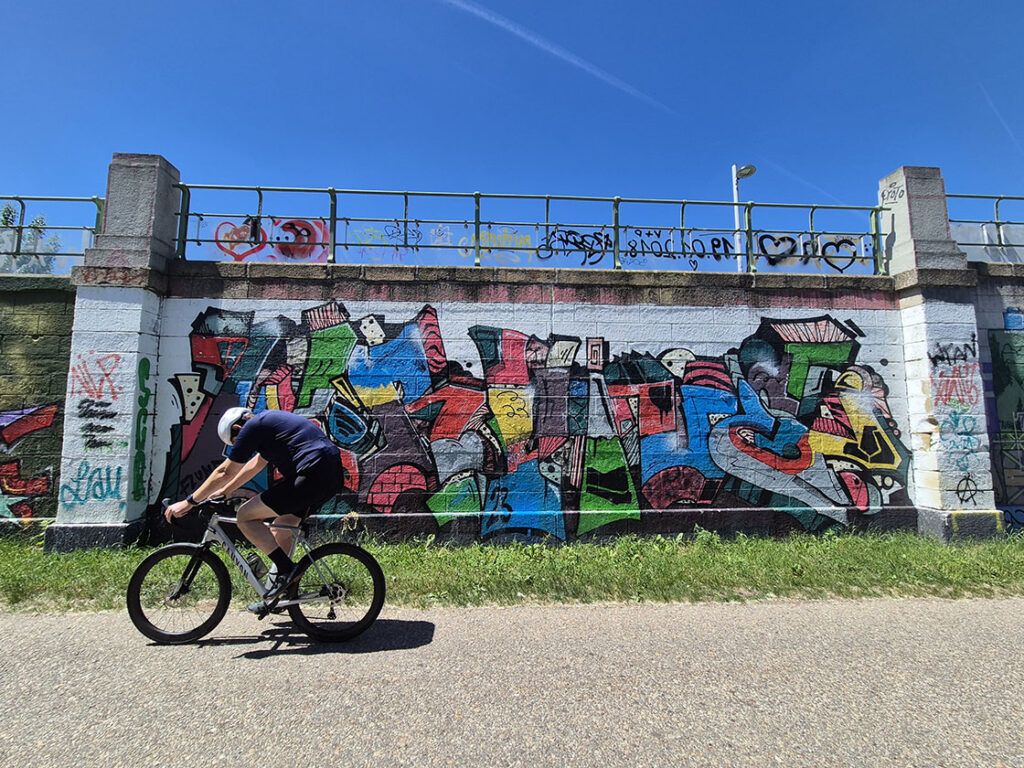
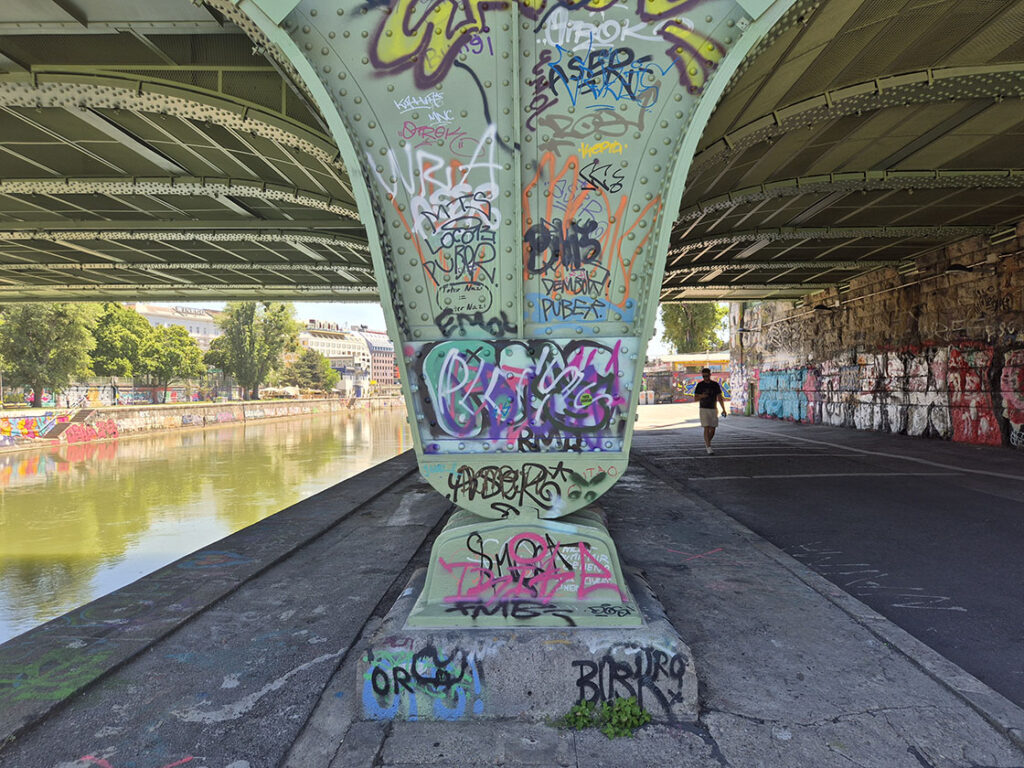
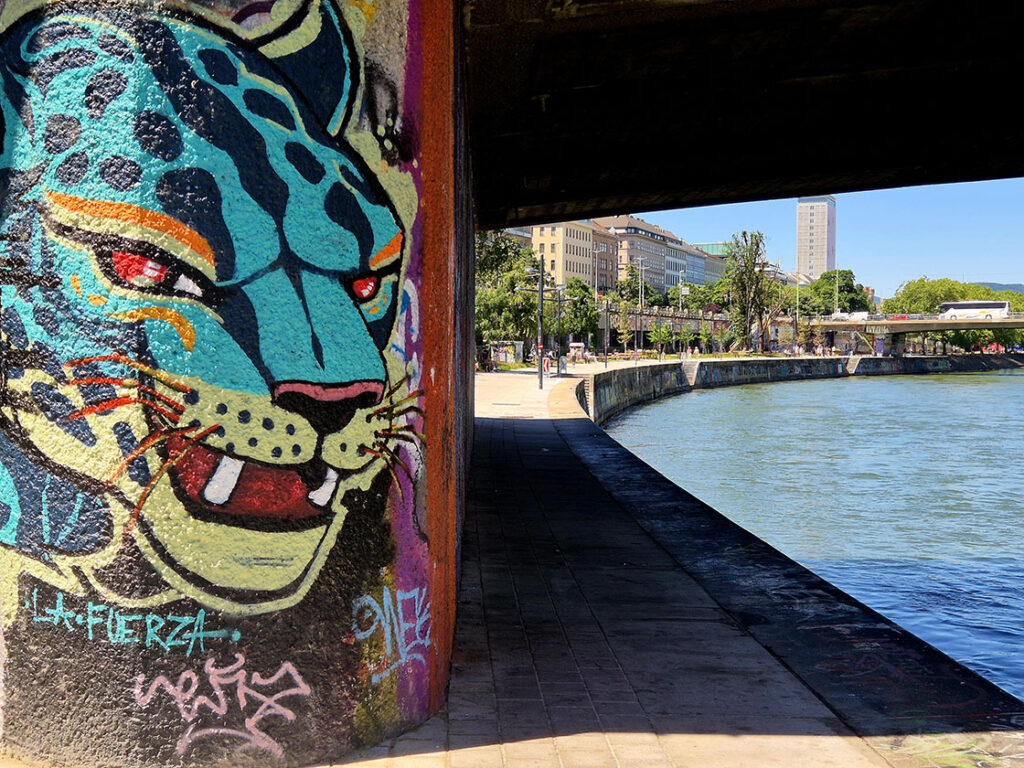
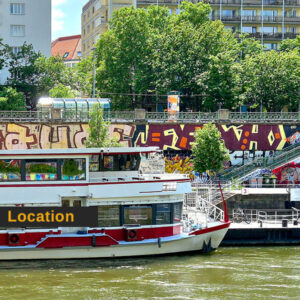
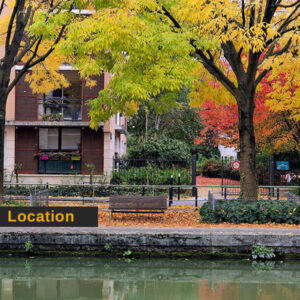
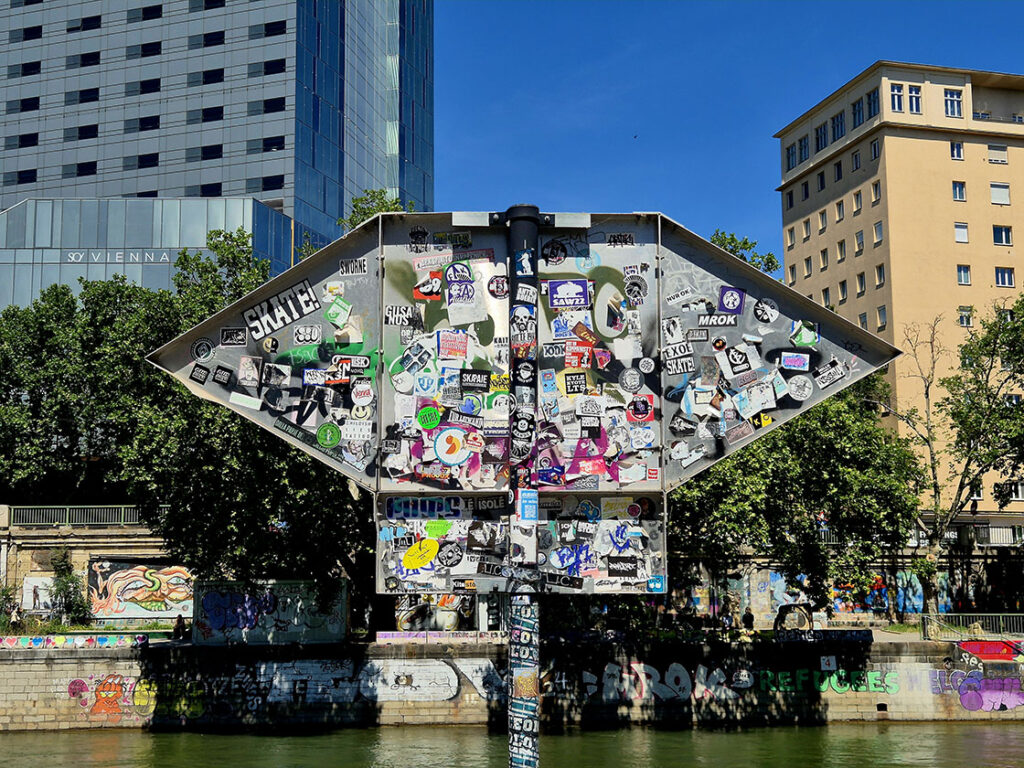
If the murals created through Calle Libre have become a symbol of street art in Vienna, then the Danube Canal is the home of the local graffiti culture.

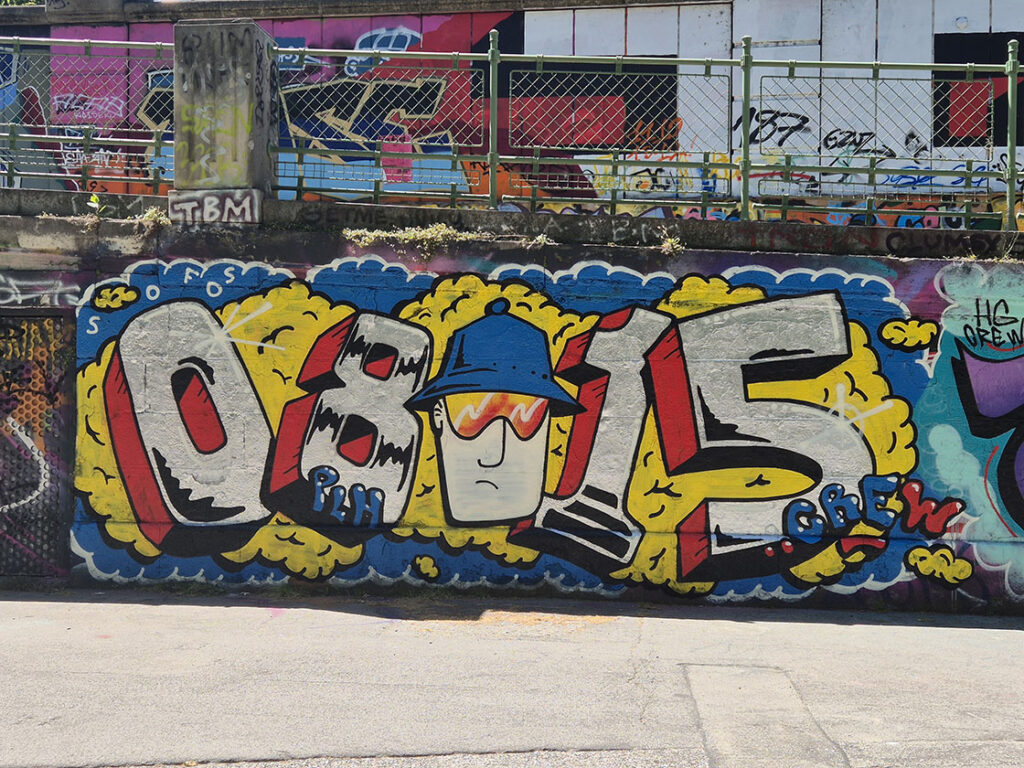
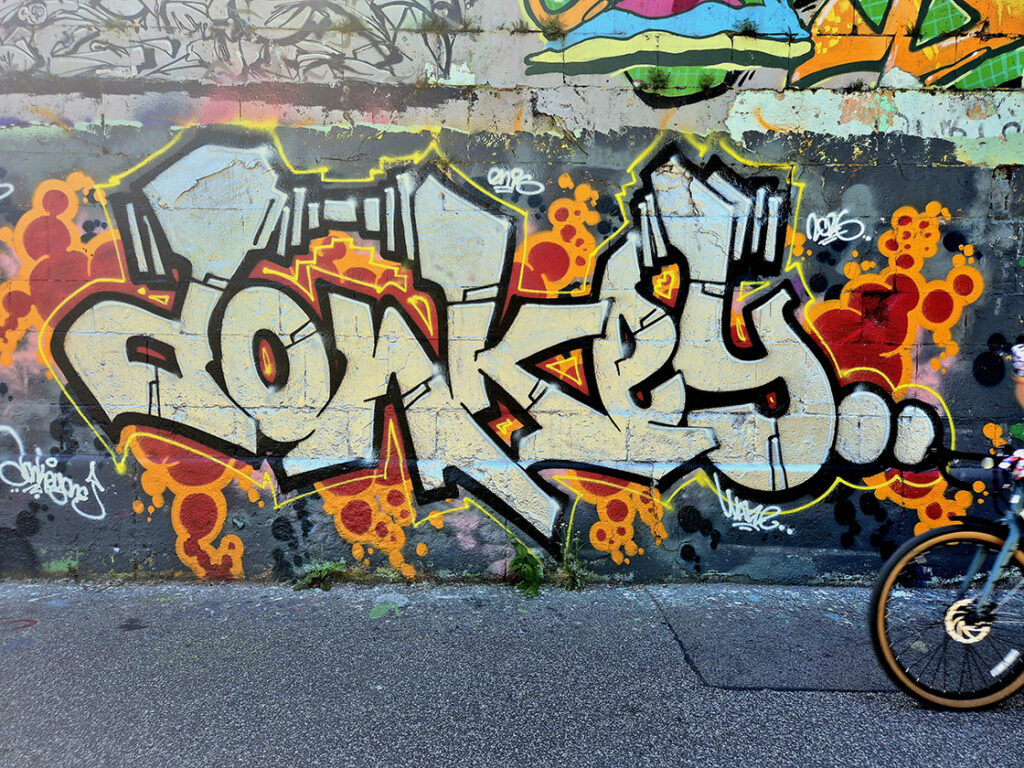
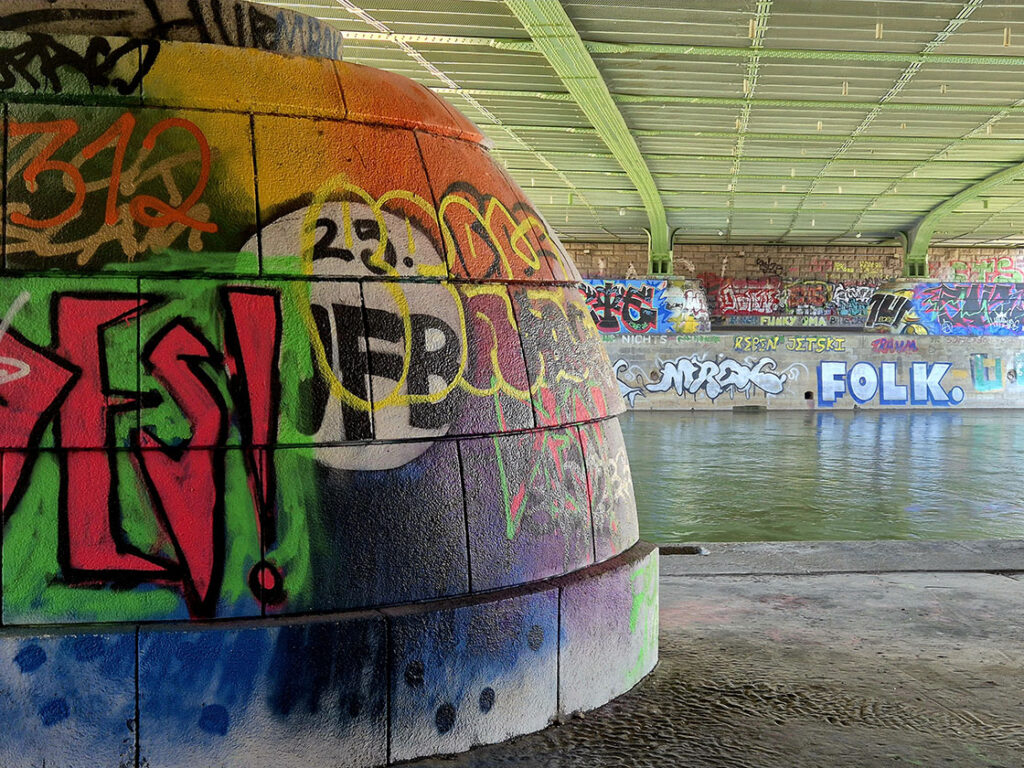
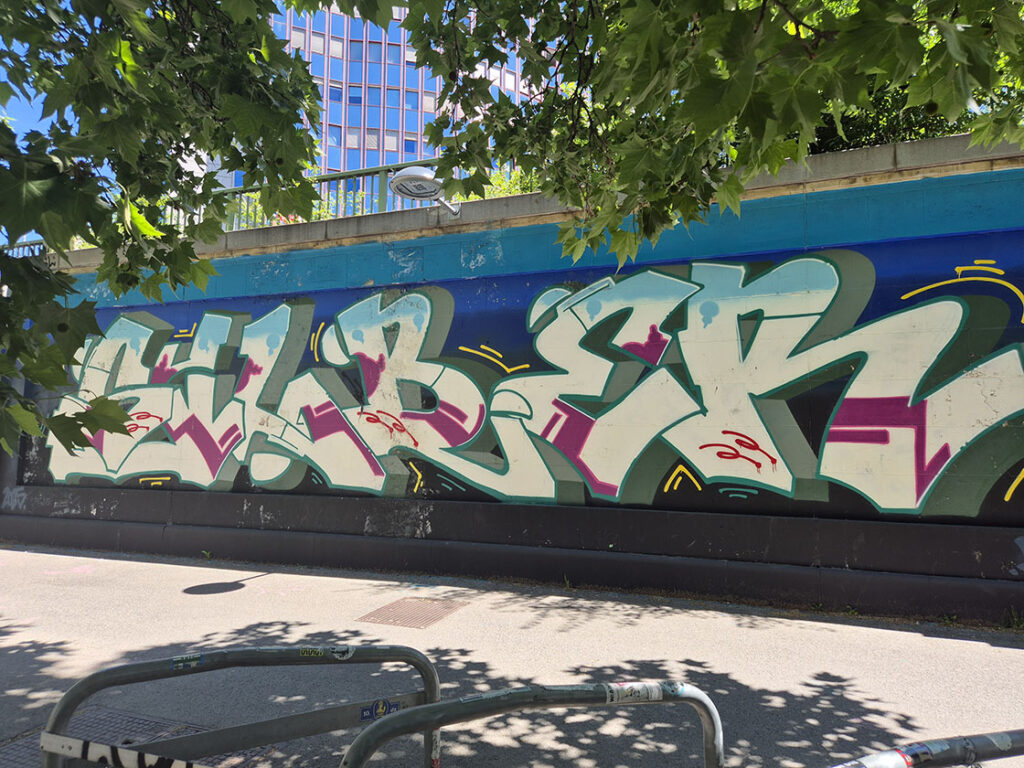
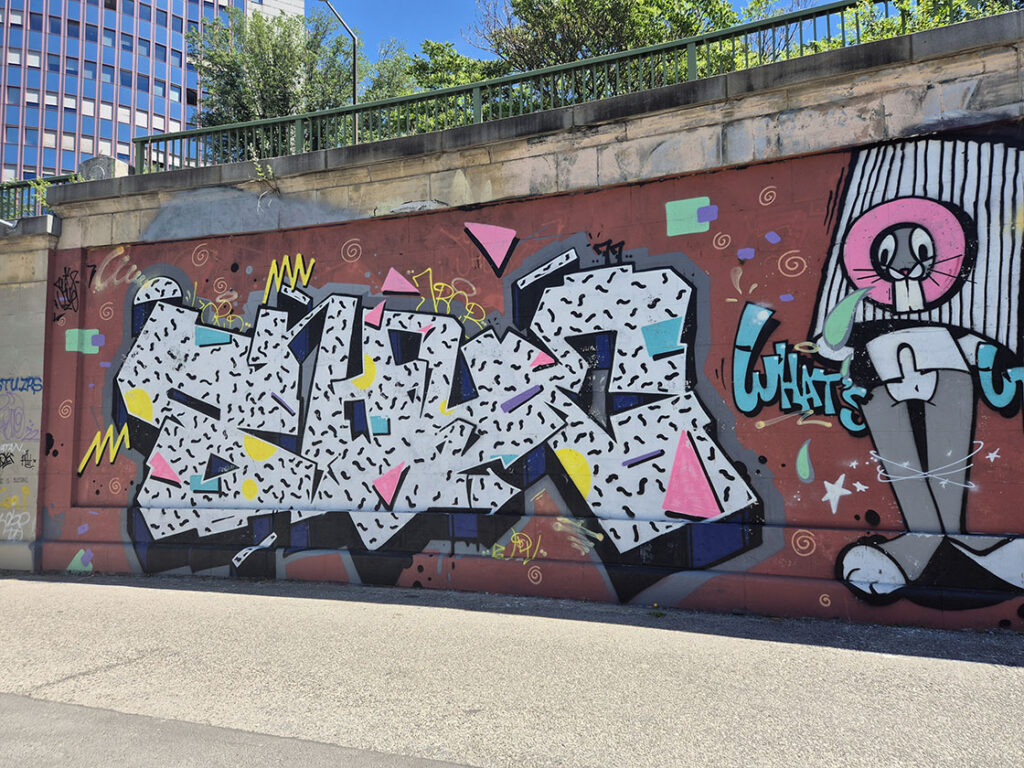
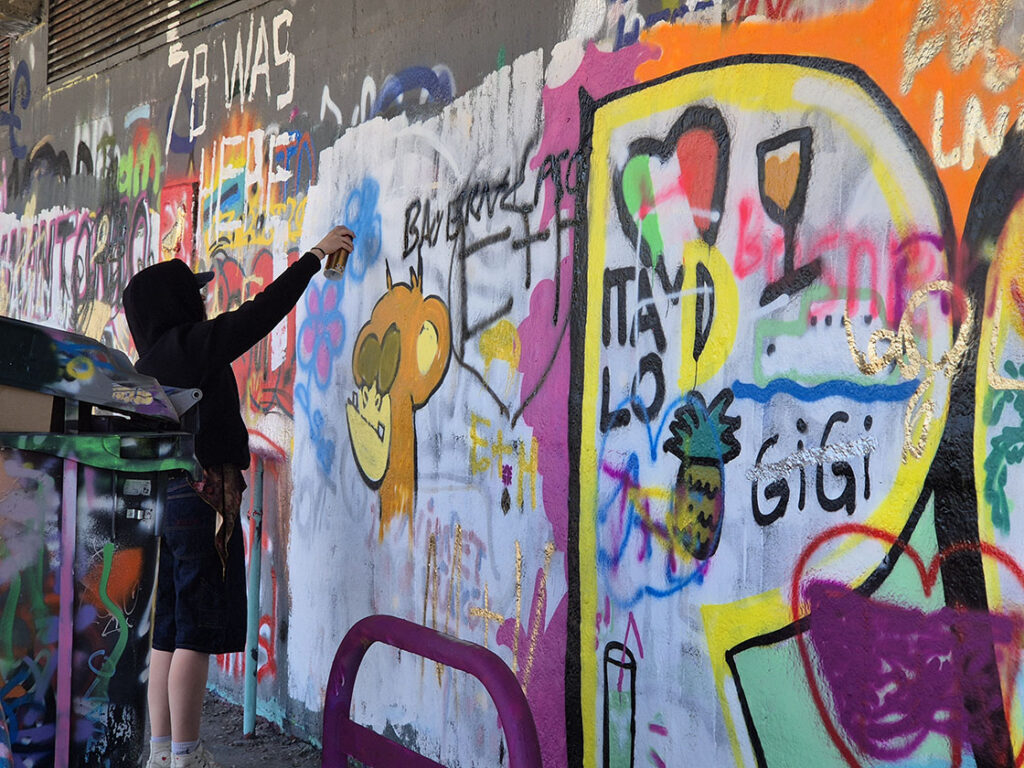
Along kilometres of concrete walls, almost every possible style can be found: quick tags written in seconds, colourful throw ups, complex pieces, illustrated characters, experimental typography, and works that cover entire walls.

What makes the location unique is the feeling that there is no clear hierarchy. A large, carefully executed piece may appear beside a small tag painted only a few hours earlier. No one expects the wall to remain untouched, and no one assumes that a work will be preserved forever. The wall itself is part of the process.

Not Everything Is Meant to Be Photographed

One of the most noticeable differences between murals and graffiti is their target audience. Murals are generally intended to be seen. They are large, prominent, and sometimes funded by the municipality or public organisations. Graffiti, by contrast, does not always seek the attention of tourists. In many cases, it is created primarily for other graffiti writers.

A tag in a difficult to reach location, highly complex lettering, or a piece beside a railway track tells a story that is understood mainly by those who live and breathe this culture. Someone unfamiliar with the language may see only paint on a wall, while within the community, the location, style, technique, and even the order in which the layers appeared all carry meaning. This is one reason graffiti can sometimes seem random, even though it actually operates according to a highly complex internal system of rules.

Legal and Illegal

One of the questions that arises in almost every city is how tolerant the authorities are towards graffiti. In Vienna, the picture is complex. Painting on private or public property without permission is illegal, and the authorities remove graffiti from many locations across the city, especially in the historic centre and from buildings of architectural importance.

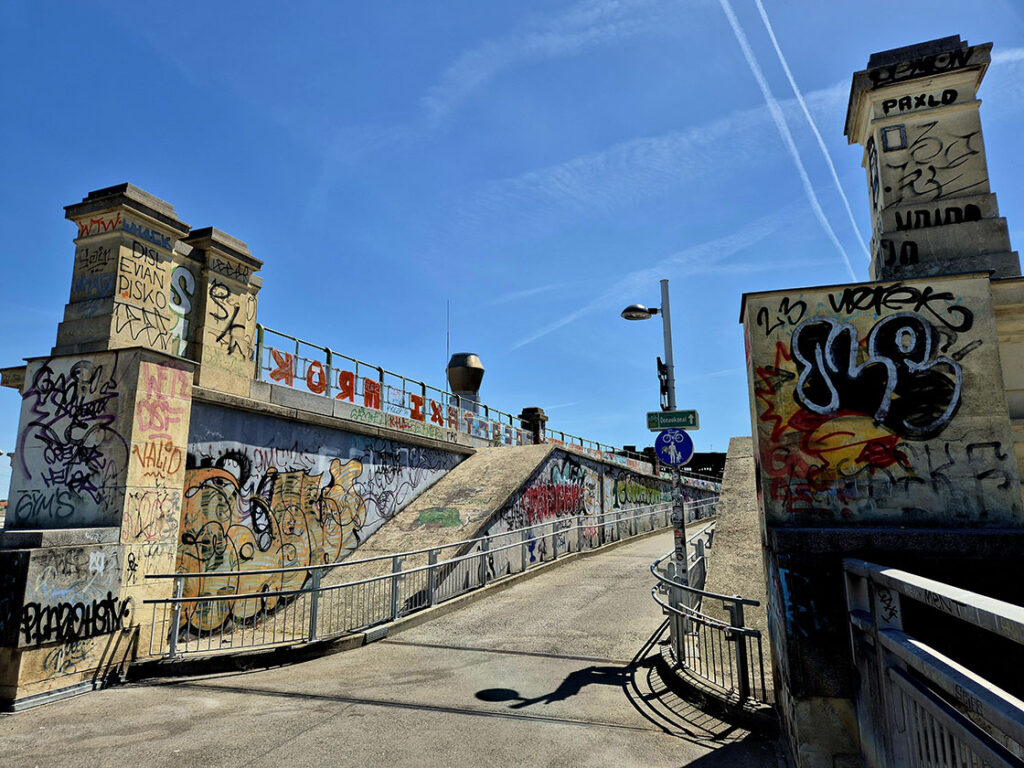
However, there are areas where greater tolerance exists, particularly along transport infrastructure and in places where graffiti has become an integral part of the urban landscape over the years. There are also legal walls and community projects that allow artists to create in an organised and authorised way. This combination creates an interesting balance. On the one hand, the city carefully protects its historic centre, while on the other, it allows certain spaces to continue developing naturally.

This approach has a twofold impact. On the one hand, it spreads street art across the city and encourages visitors to explore less touristy neighbourhoods. On the other hand, it creates a sense of belonging among residents, who see the buildings in which they live transformed into cultural landmarks.

Layers of Time

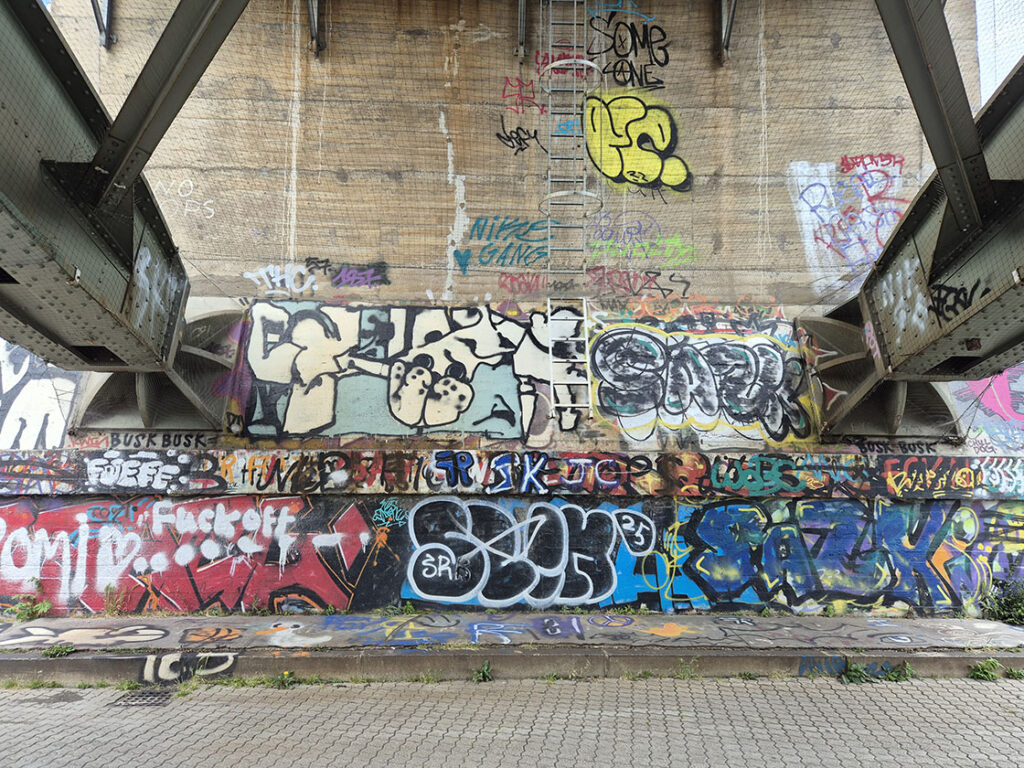
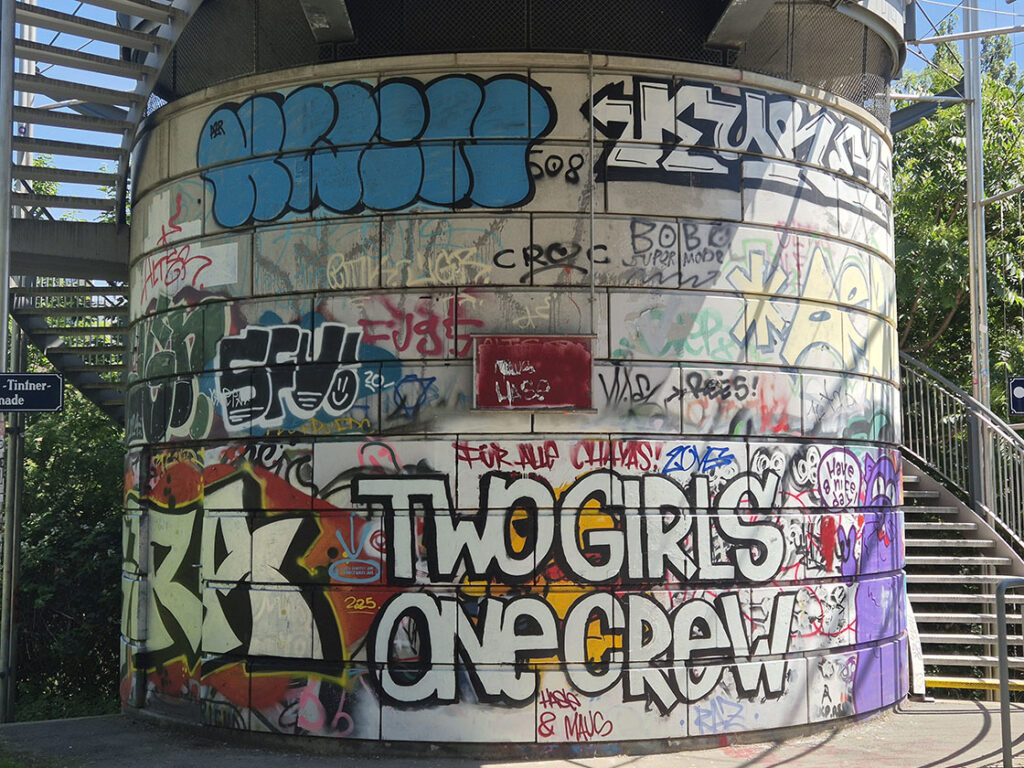
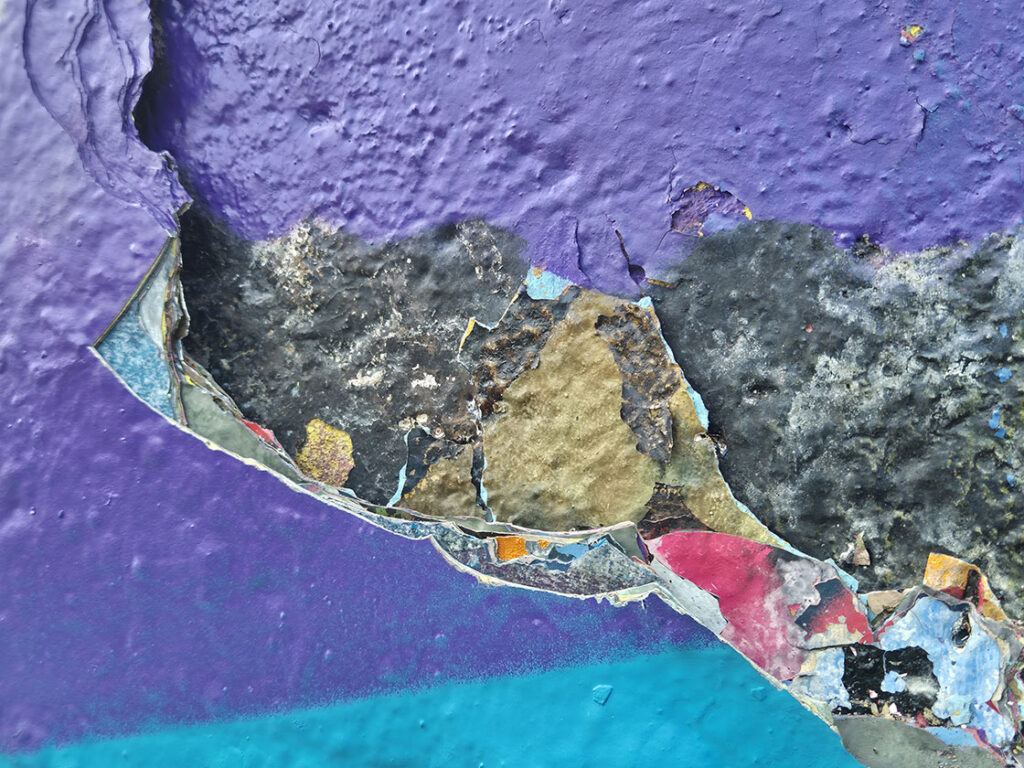
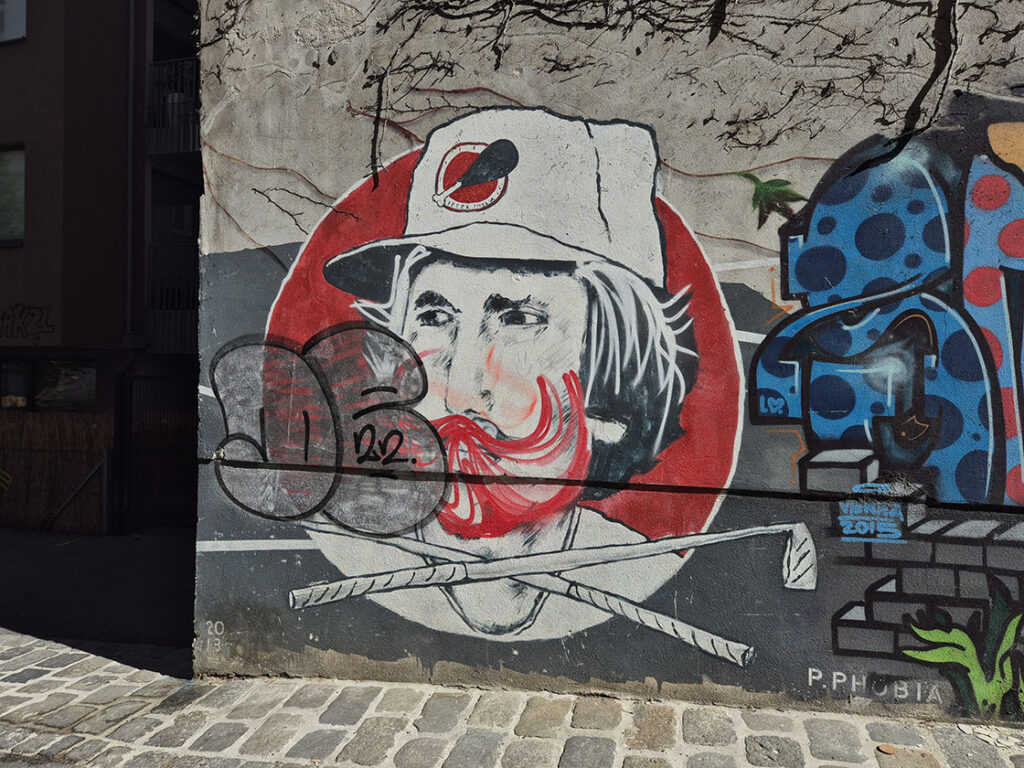
One of the things that impressed me most in Vienna was not a particular work, but the layers. On a single wall, you might see a ten year old tag, a painting created two years ago above it, and a new piece added only this week on top of them both. Each layer leaves behind a brief memory before making way for the one that follows.

In this sense, graffiti may be the most honest form of art. It does not try to be eternal. It accepts from the outset that it will disappear. It is precisely this awareness that gives each work a special value. Every photograph becomes a record of a moment that will never return.

Between Protest and Personal Expression

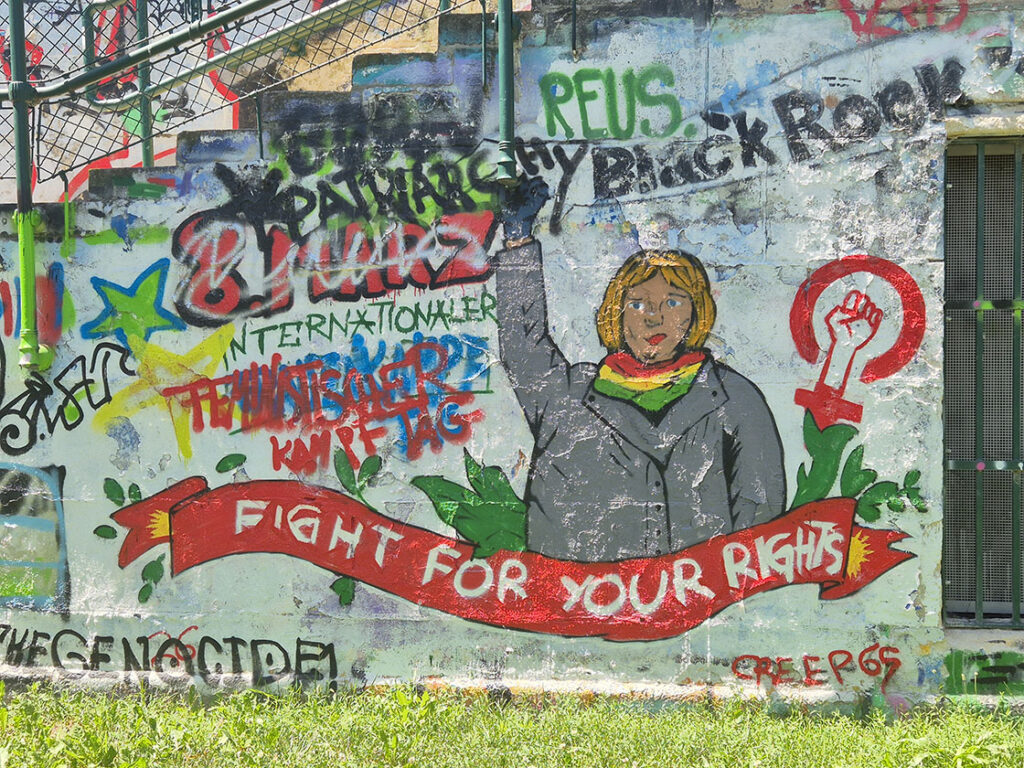
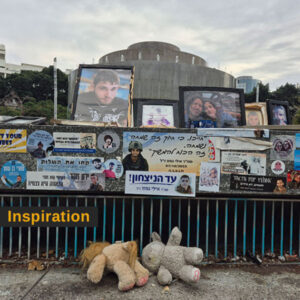
Not all graffiti carries a political message, but it almost always expresses a position of some kind. Sometimes it is social criticism, sometimes a response to current events, and sometimes simply a declaration of the writer’s existence.

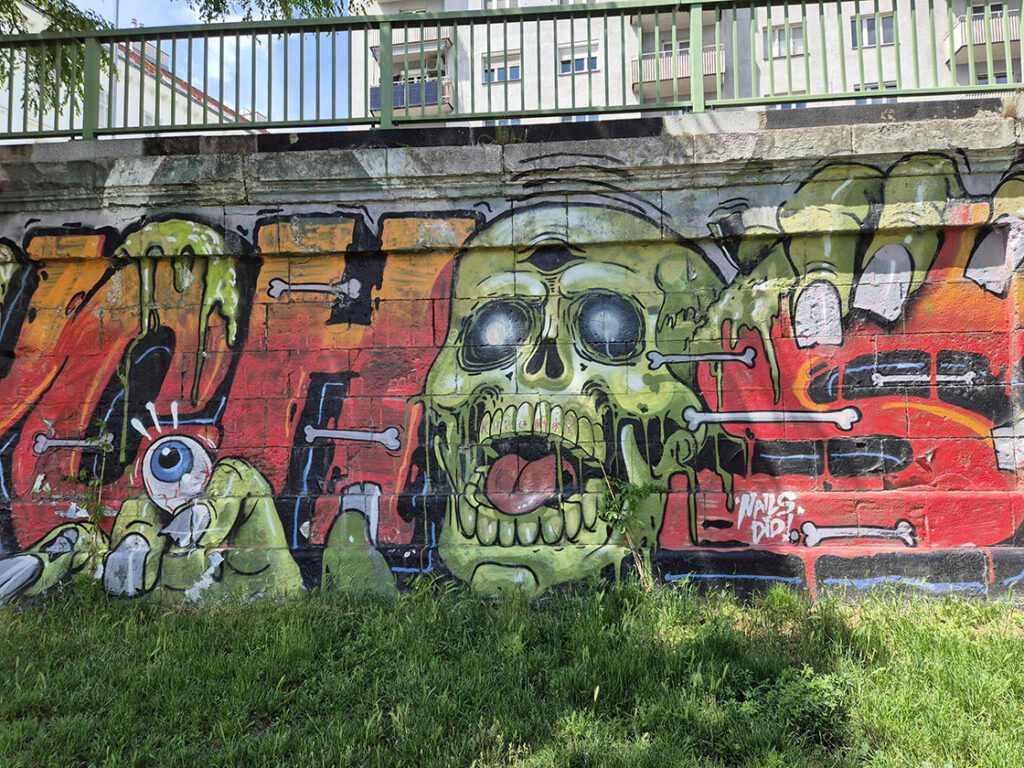
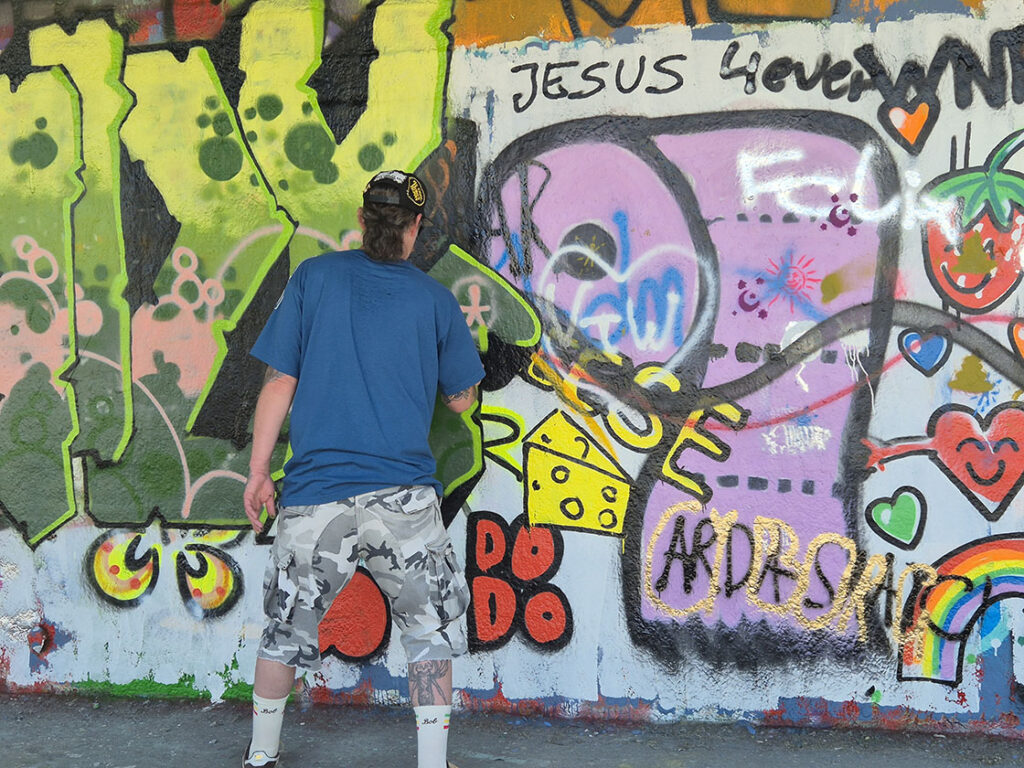
In Vienna, the entire spectrum can be found. Protest works appear alongside pieces whose only purpose is to explore colour, composition, and lettering. Some walls are filled with social messages, while others resemble an artist’s open sketchbook. This diversity is one of the reasons the city’s graffiti feels so alive.

More Than Meets the Eye

Those who are not interested in graffiti may see it as visual noise. But the more time you spend looking, the more you begin to recognise patterns: names that appear again and again, styles that evolve, colours associated with particular writers, and locations considered to hold a special status within the community.

Even without knowing all the rules of the game, this act of observation changes the way you look at the city. The walls stop being merely a background and become part of a much broader story.

The Never Ending Story

While Vienna’s murals tell the story of the city through large, carefully planned works, graffiti tells the same story in real time. It responds more quickly, changes more quickly, and sometimes disappears more quickly as well.

Perhaps this is why, by the end of my visit, I felt that graffiti was what kept the local scene in motion. The murals give the city its familiar face, but graffiti gives it its pulse.

Anyone who truly wants to understand street art in Vienna cannot limit their visit to murals alone. It is worth taking the time to notice the inscriptions, lettering, and layers of paint that appear on the concrete walls of the canal, beneath railway tracks, and in corners that most visitors simply pass by. It is precisely there, far from the main attractions, that urban culture can be encountered in its most raw and authentic form.

Among the artists whose works appear in the series of posts about street art and graffiti in Vienna: Martin Monet, Stinkfish, AERO, Aktion451, ACAD, ANTZ, BIRDMAN, BIRNE CREW, Boicut, CHINK, CINS, CORD, Creep65, Darja Šatalová, DSA Seven, EDDY, EXFUERZA, FILL MC, Frau Isa, GABINO, Gera 1, GLOD, GOGIRL, Graffiti Kitty, Guillem Font, Hession & Sun, Interesni Kazki, Invader, Jana & JS, Jakob Skirl, KAM2, Kathe Burkhart, Katie Merz, Kollektiv Kaorle, Ledania, Mael Dito, Marlene Hausegger, MESO, MRA, MROK, NENO, Ninet, Nychos, OBEY, OPA, OSA Seven, Oula Al Khatib, PANZA, PEKS, PHOBIA, PISON, Pixel Pancho, POSE, POTMAV, Purraco, Rabbit Eye Movement, Raffael Strasser, RESG, RIOT1394, Ripoff Crew, ROA, Ruin, SALTO, SAMBA, SHAQ, SHUE4X, SLIDE, Skirl, Sophie Esslinger, TEAM WIEN, The Weird, Thorn Speak, TWOOO, VODA WOTAN, WARS, Werjant, WISTER, YOH, ETAB, Yin
אומנות רחוב, אומנות אורבנית, אמנות אורבנית, גרפיטי, דרור הדדי, גרפיטי פוליטי, קירות מדברים, dror hadadi, graffiti, graffiti dror hadadi, street art, urban art, dodo graffiti #graffiti #graffititelaviv #streetart #graffiti_tel_aviv #streetartwork #streetartdaily #streetartaddicted #contemporaryart #streetart #streetartgallery #telavivartist #streetartofficial #streetartlovers #streetartphotography #streetartiseverywhere #urbanwall #instastreetart #nicestreetart #topstreetart #ilovestreetart #streetartists #streetartphotographer #streetartandgraffiti #urbanstreetart #streetartphoto #urbancontemporaryart #instagraffiti #stickerart #drorhadadi

About Me

My name is Dror Hadadi and I have always loved and been drawn to graffiti and street art – to language, color, subversion and art. Urban art, which exists in public space 24/7, fascinates and captivates my heart.
Graffiti and street art are a free ticket to a global exhibition, which is constantly changing, growing and developing. Graffiti creates and drives an artistic dialogue between the passerby and architecture and urban life. Sometimes graffiti disrupts, harms and etch its presence on the wall. Sometimes it brings the public wall to life, allowing us a colorful and exciting glimpse into the artist’s private world – and into our own world as viewers. In both cases, in graffiti and street art, an immediate communication and dialogue is created between the viewer and the message left for him on the wall. Graffiti and street art that takes place in the urban-public space, maintains a dialogue with us on a daily basis, and allows us to communicate with the space closest to us, which serves as a setting for our living environment and life in the urban space.
Enjoy!

Latest posts

סטריפ Street Smart

בואו נדבר אמנות

מלאו פרטים ותוכלו להתעדכן בכל מה שמעניין

Street Art & Graffiti - Dror Hadadi
Privacy Overview

This website uses cookies to ensure that we provide you with the best user experience.

Analytical cookies help us understand how the website is used, and marketing cookies enable us to show you personalised advertising.

Cookie information is stored in your browser and performs functions such as recognising you when you return to our website and helping our team to understand which sections of the website you find most interesting and useful. For more information, please see our Privacy Policy and Terms of Use.