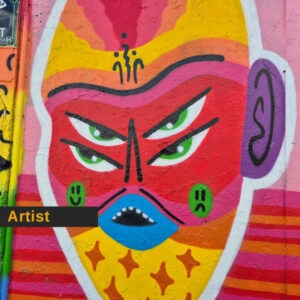
Donaukanal: The Beating Heart of Street Art in Vienna
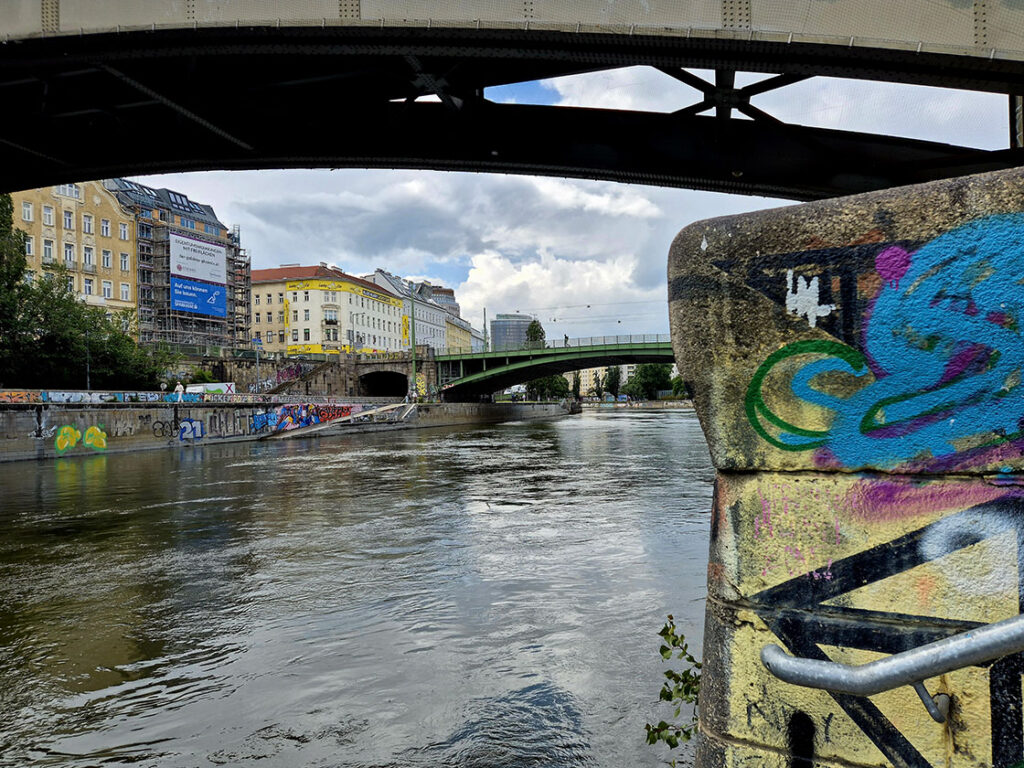
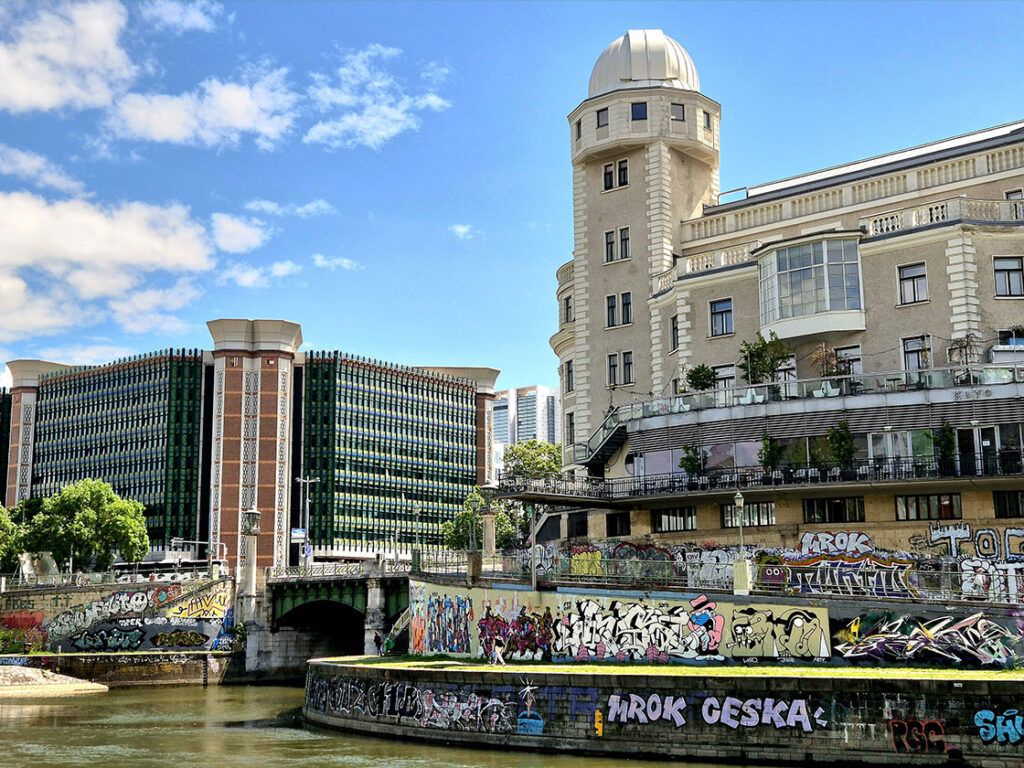
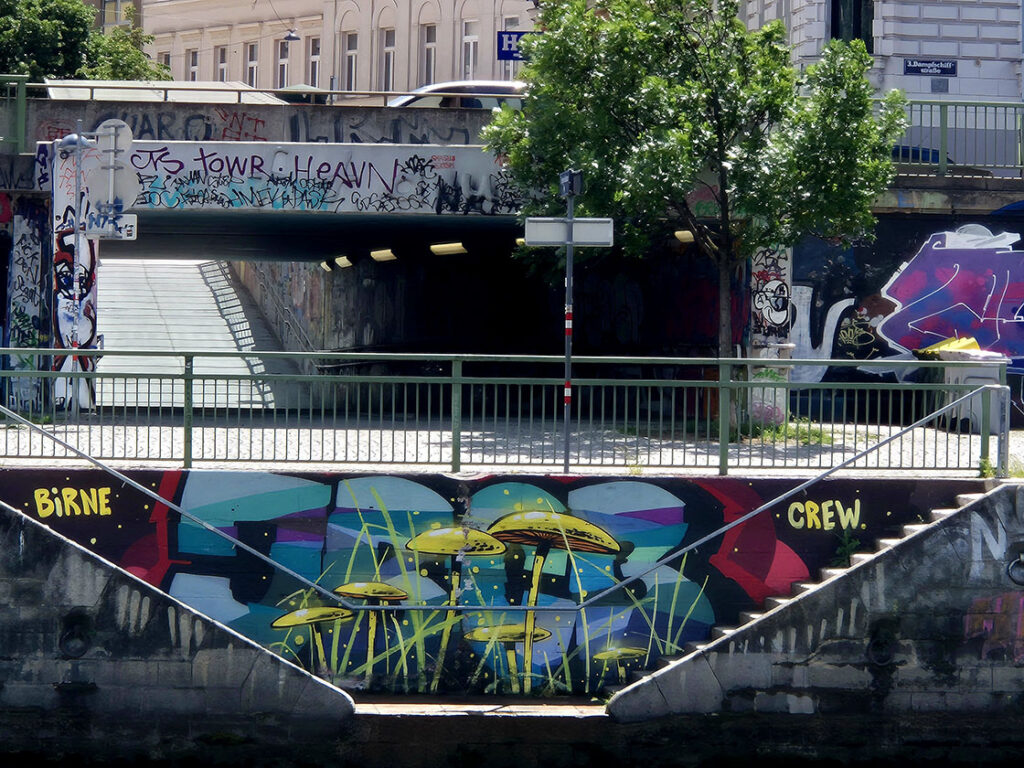
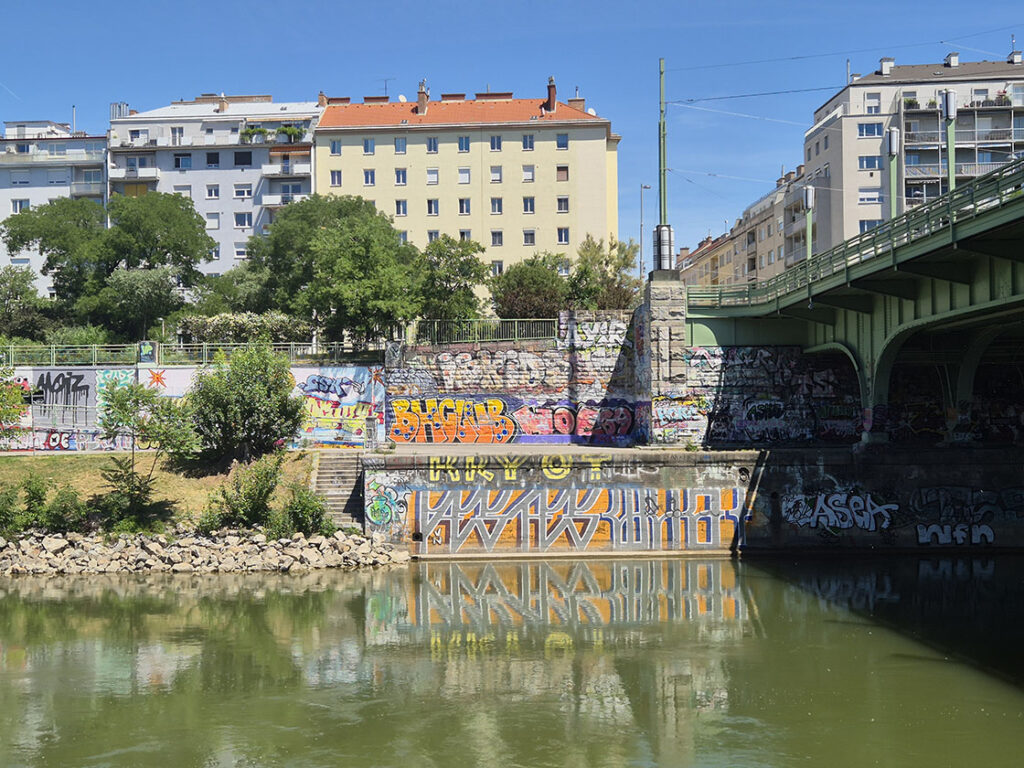
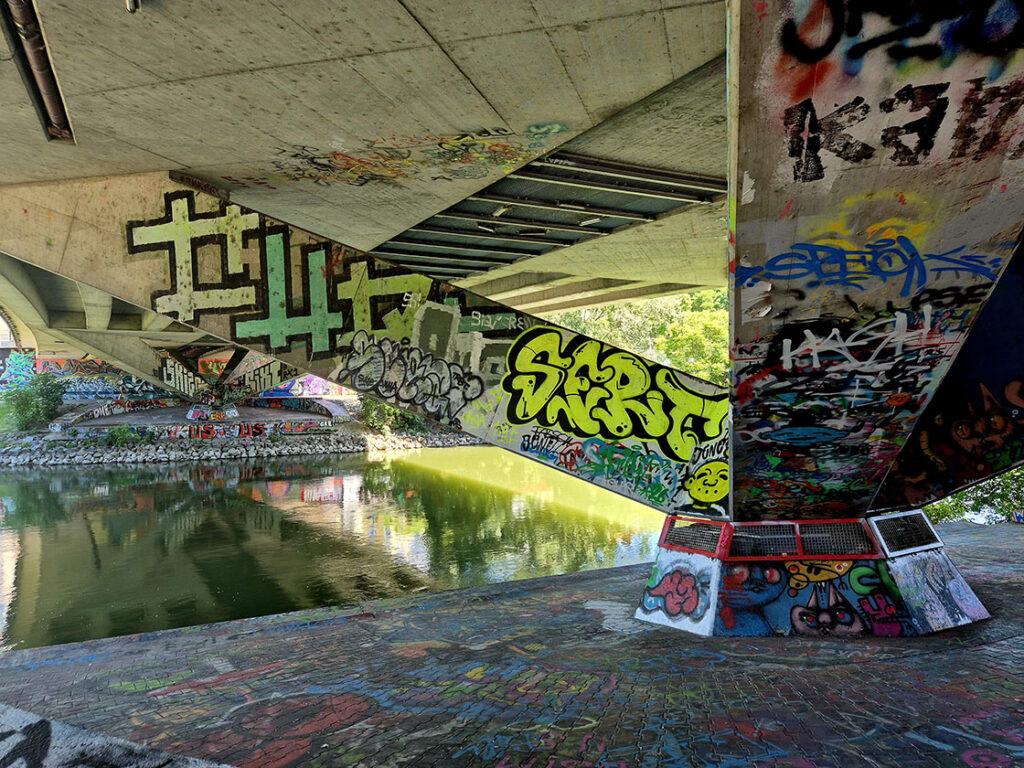
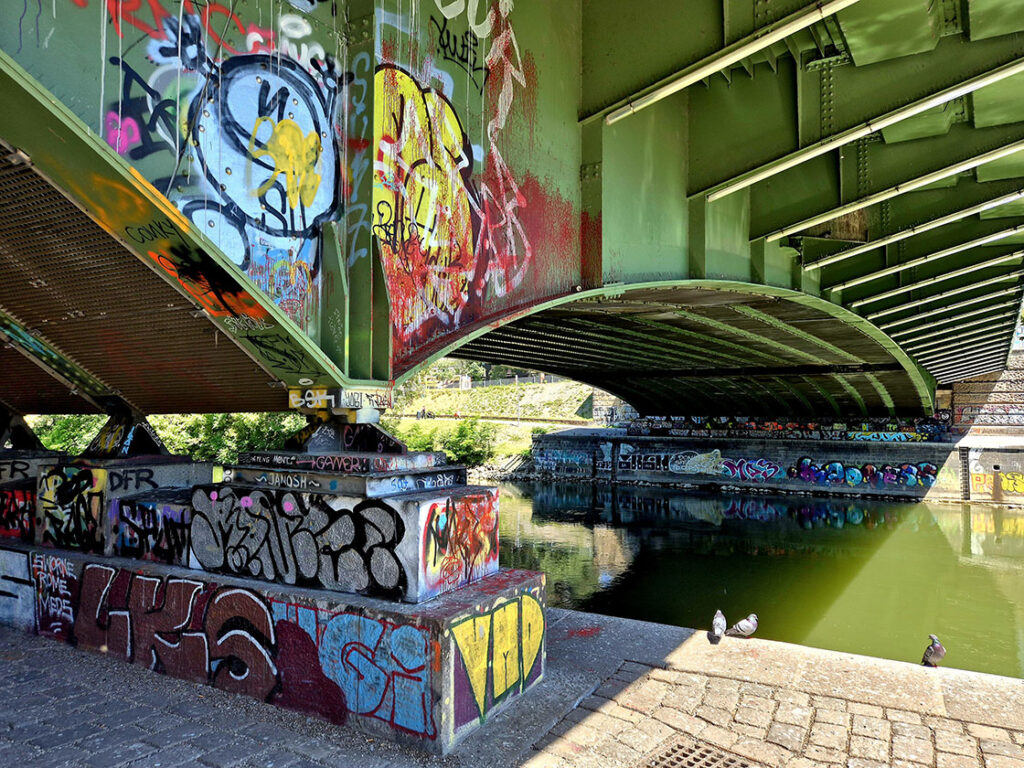
If there is one place that explains Vienna’s street art scene better than any other location, it is the Danube Canal, the Donaukanal. Anyone arriving here for the first time might think it is simply another pleasant urban promenade, but within just a few minutes, it becomes clear that this is a completely different kind of space. For years, an ongoing dialogue between artists, graffiti writers, residents, and the authorities has unfolded across kilometres of concrete walls, bridges, stairways, and underground passages. Almost every surface that can be painted has, at one point or another, become part of the story.
You can also use the Vienna Graffiti and Street Art Map
- Discover more than 200 graffiti and street art works across the city’s different neighbourhoods
- View the works both on a map and as a list
- Discover the city’s most interesting neighbourhoods and learn where the works are hidden in each one
- Add street art to the route you have planned in advance
- Use the street art map on Google Maps as your navigation map for all the city’s other attractions
Graffiti and street art are constantly changing and dynamic. The appearance of a work on the map does not guarantee that it still exists or that it has not been altered, removed, or erased. The maps are updated every few years and contain approximately 50% of the works found in these neighbourhoods, so there will always be more for you to discover…
Much More Than a Waterfront Promenade
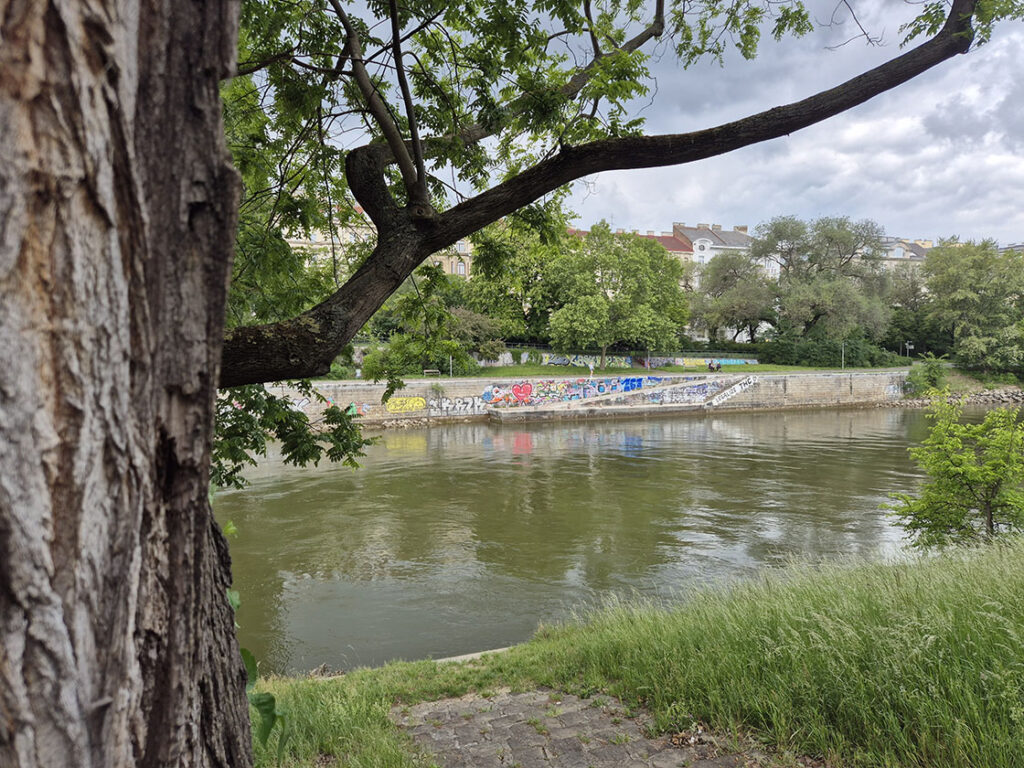
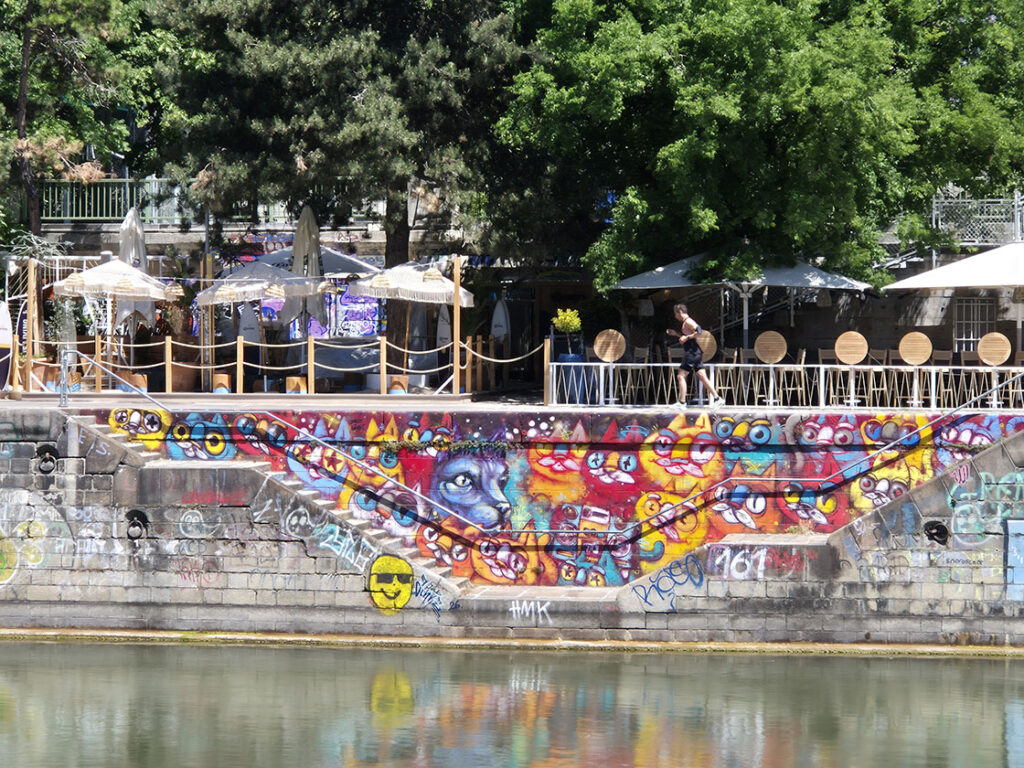
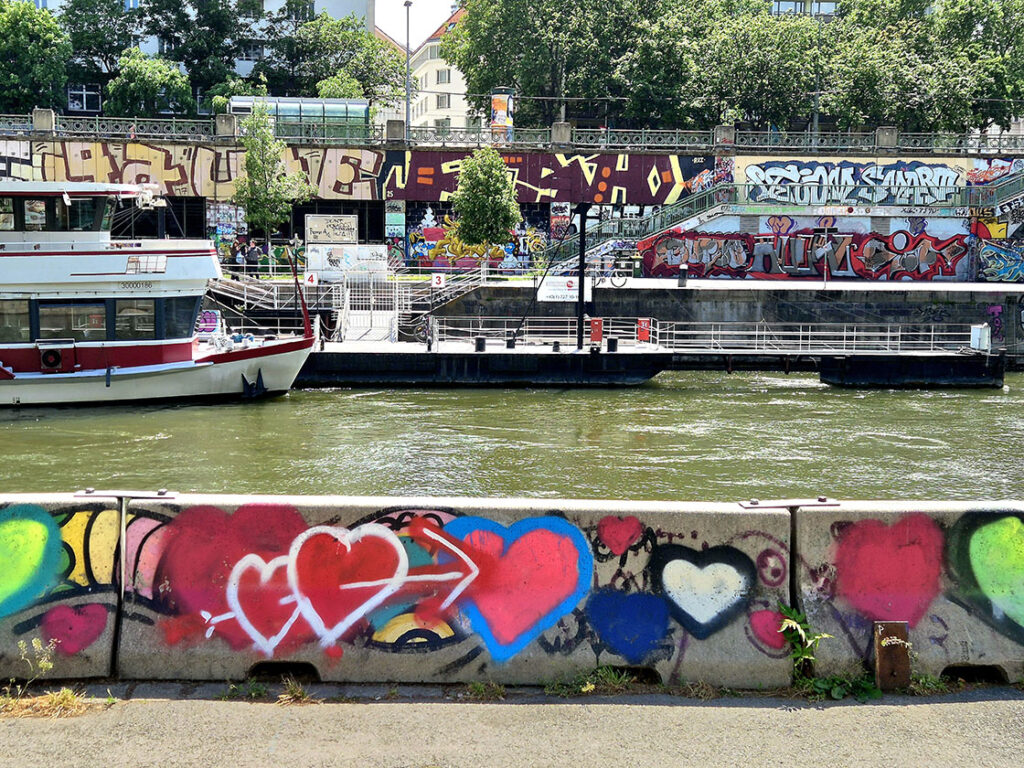
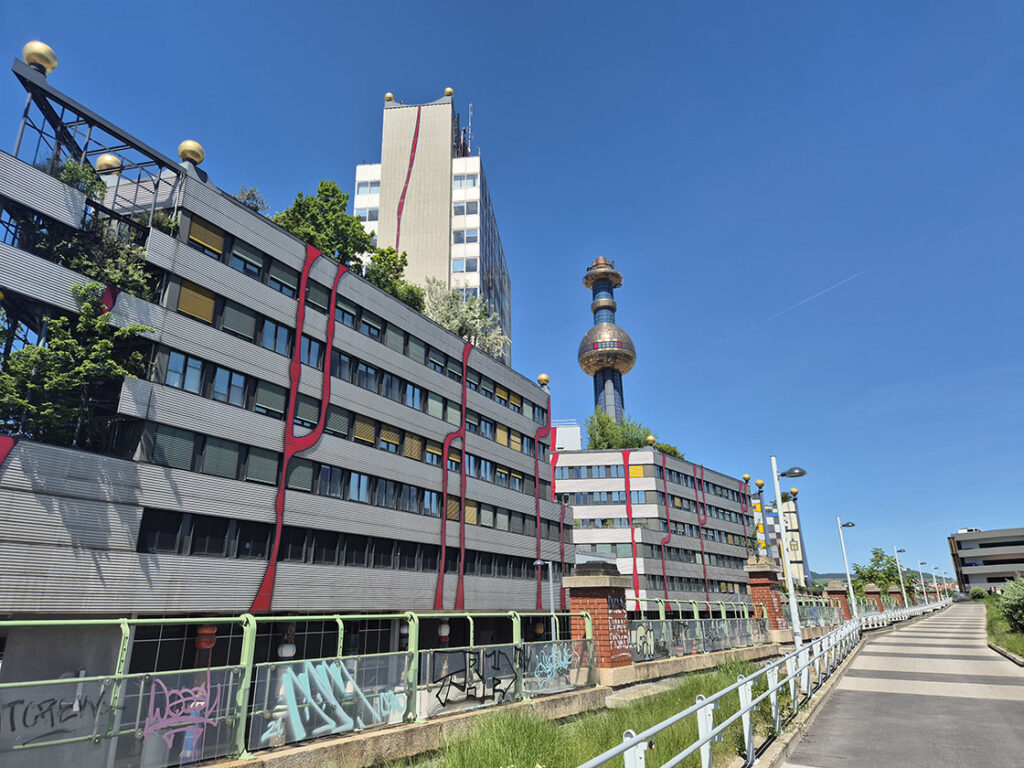
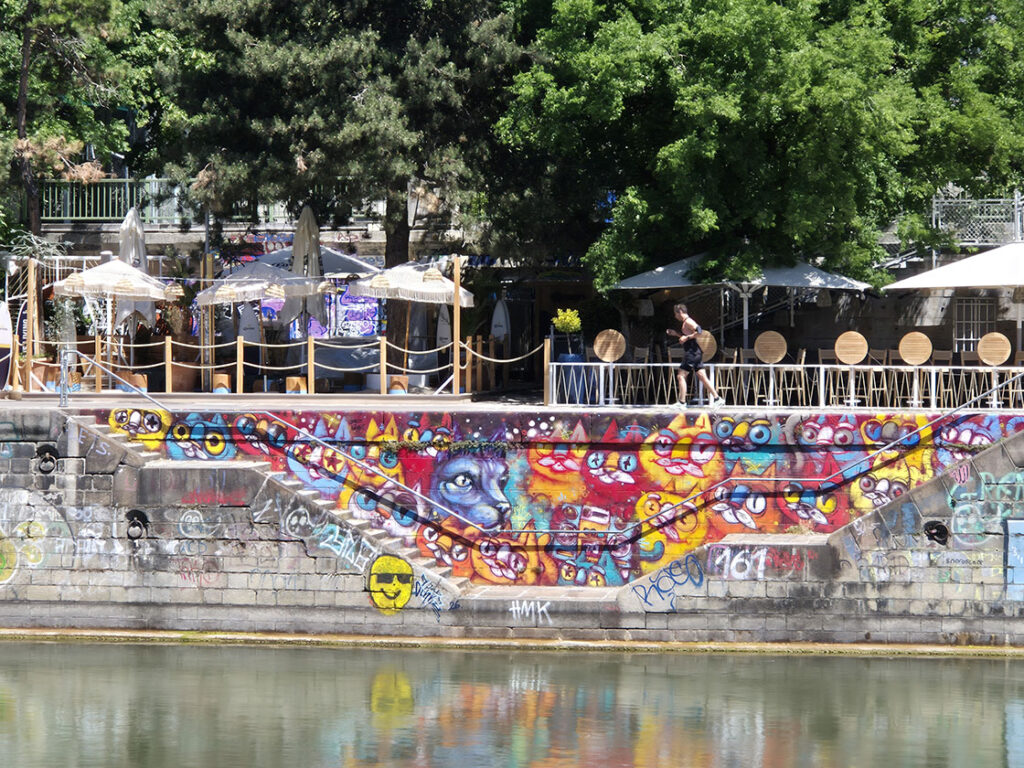
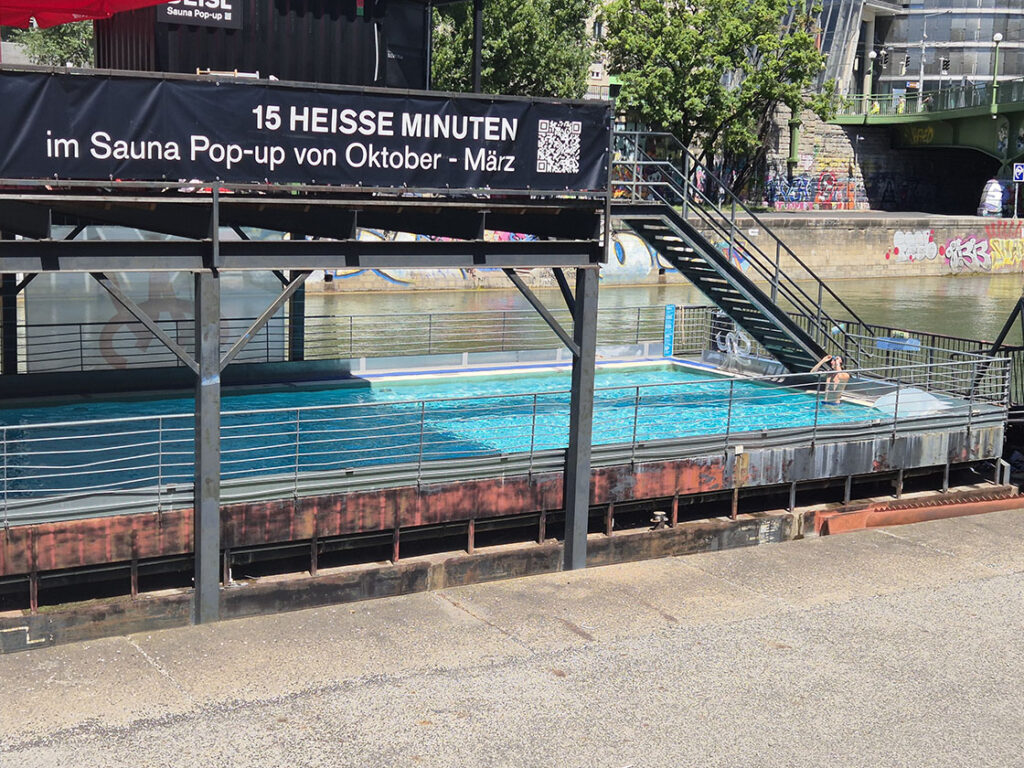
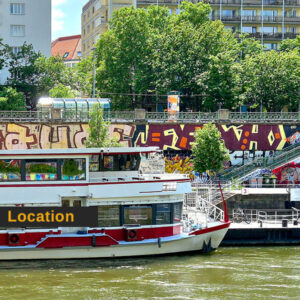
The Donaukanal is an old branch of the Danube River that crosses central Vienna and runs through the city for several kilometres. For many years, the area was seen as a grey and unremarkable infrastructure zone, a place whose main functions were drainage and transport. Gradually, this perception began to change. Cafés, bars, and clubs started to appear along the water, walking and cycling paths were created, and the public space became one of the liveliest places in the city, especially during the spring and summer months.
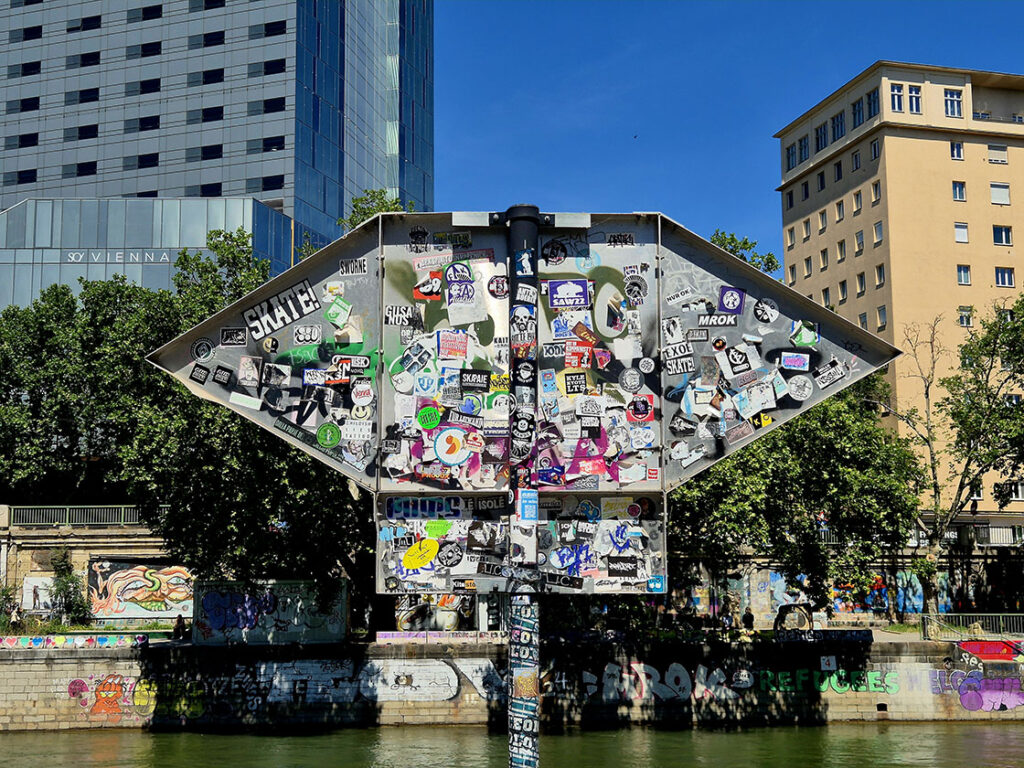
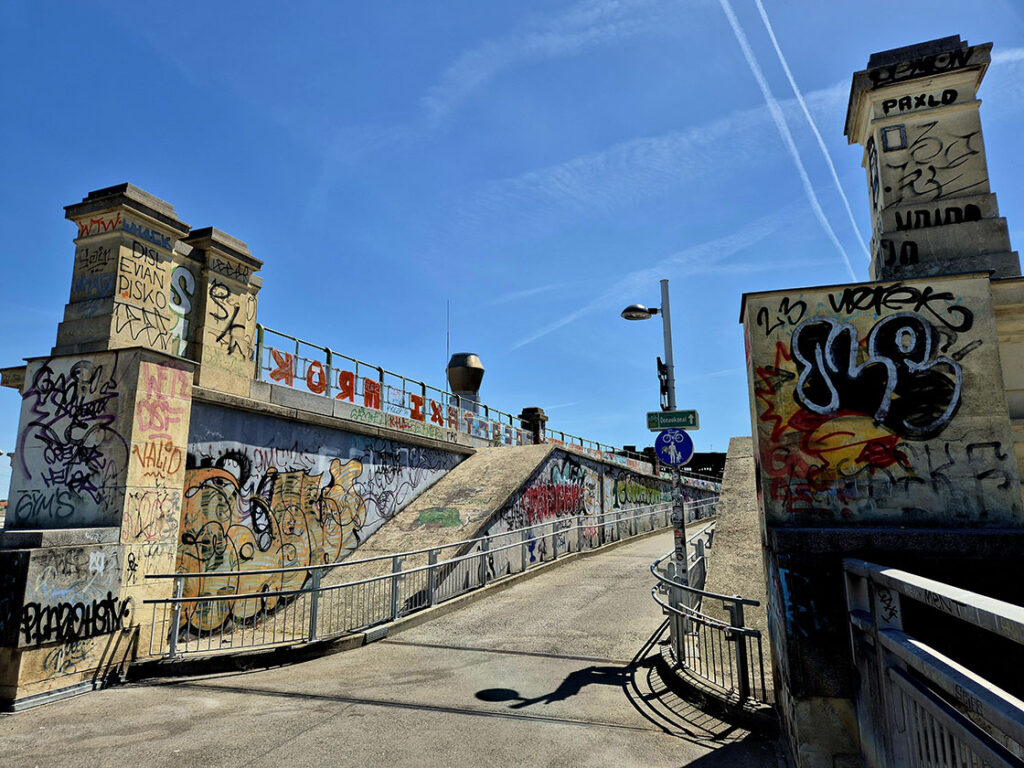
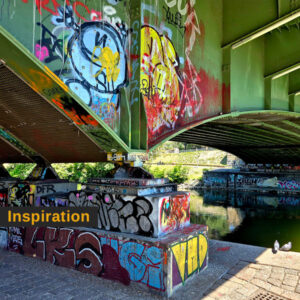
But the artists arrived even before the cafés. The long concrete walls, relatively far from the historic centre and less exposed to constant supervision, provided an ideal place for painting. Over the years, they filled with graffiti, followed by murals, stickers, stencils, and political messages. Layer was added upon layer, one work replaced another, and the area became an open archive of urban culture in constant motion. This is precisely why no two visits to the Donaukanal are ever the same.
A Museum That Never Stops Changing
One of the first things you notice is that almost nothing here is permanent. A work photographed this week may disappear the next. A wall that appears completely empty can be filled overnight, while a particularly elaborate piece may vanish beneath a new layer of paint within days. For those coming from the world of museums, this may sound frustrating. For street art enthusiasts, it is precisely the point.
The art here is not meant to be preserved forever. It exists within a living space that is constantly changing and renewing itself. Every visit becomes a record of a particular moment in time, one that will never return in exactly the same form. In this sense, the Donaukanal resembles an urban diary more than a traditional gallery.
Between Murals and Graffiti
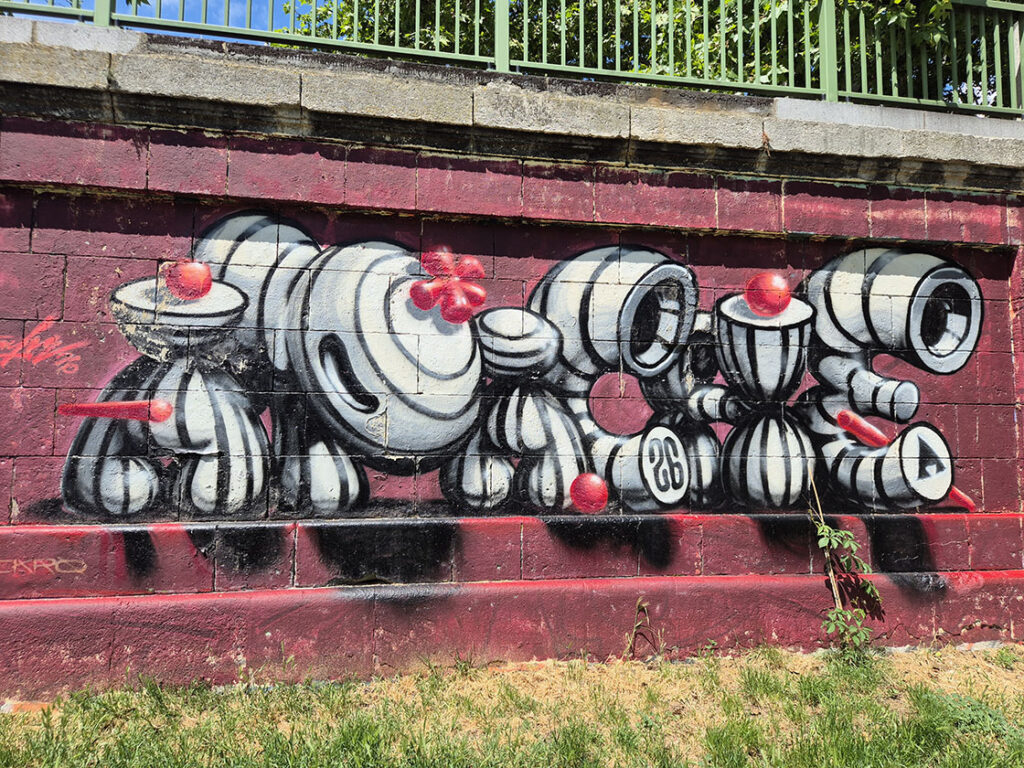
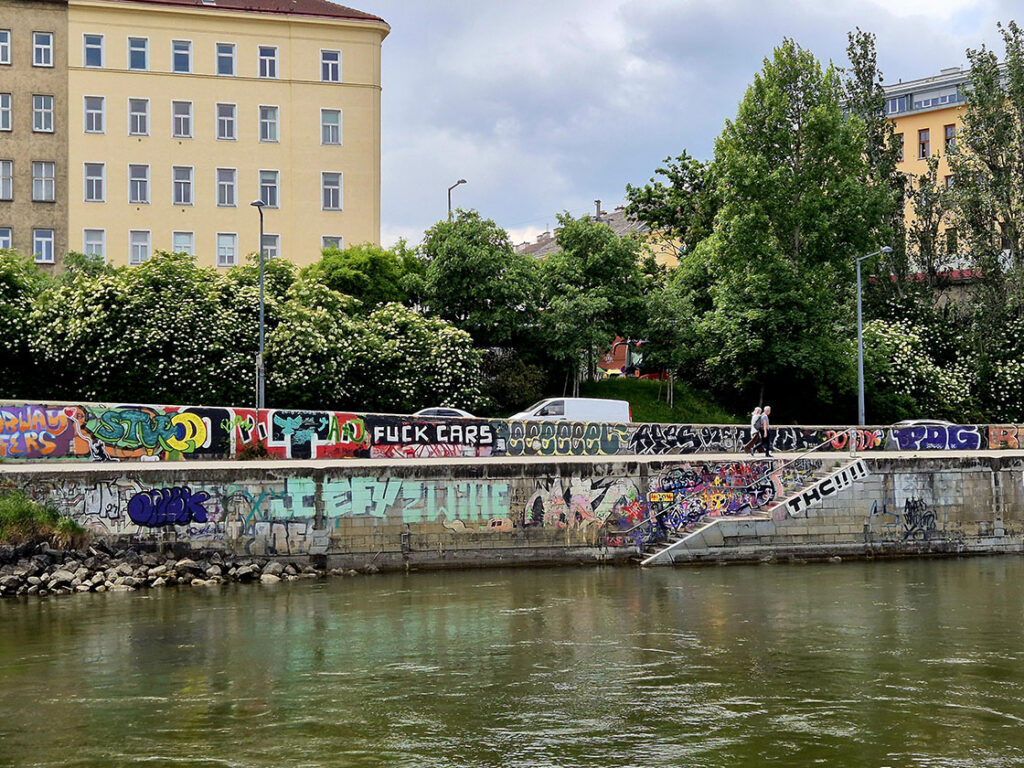
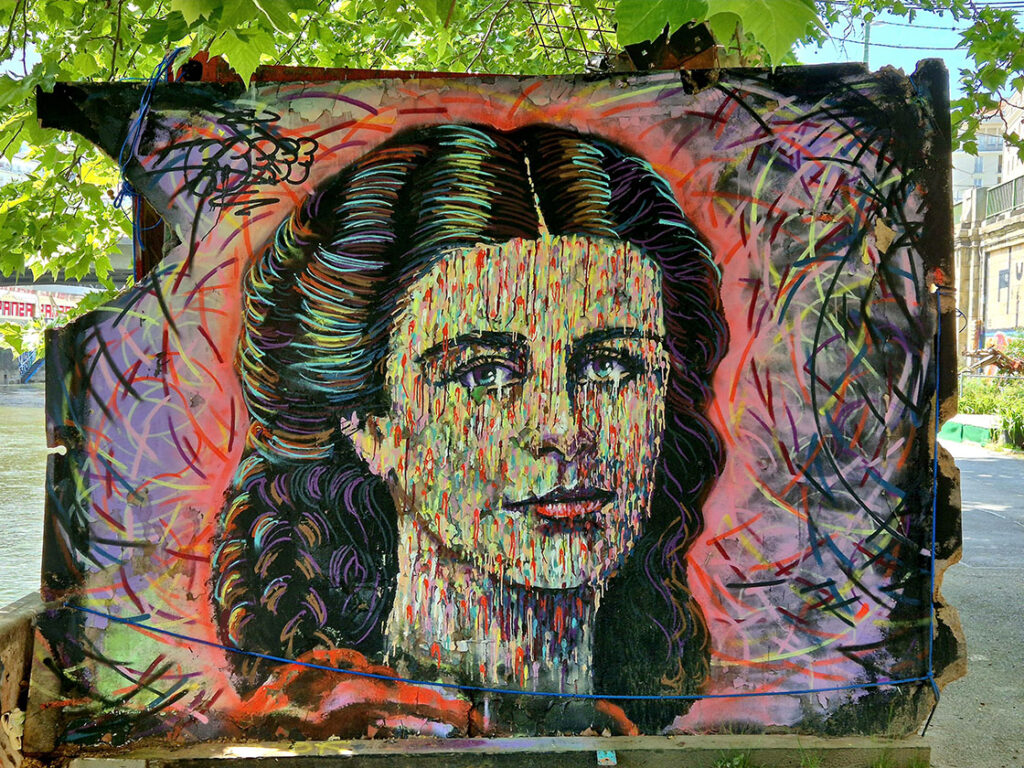
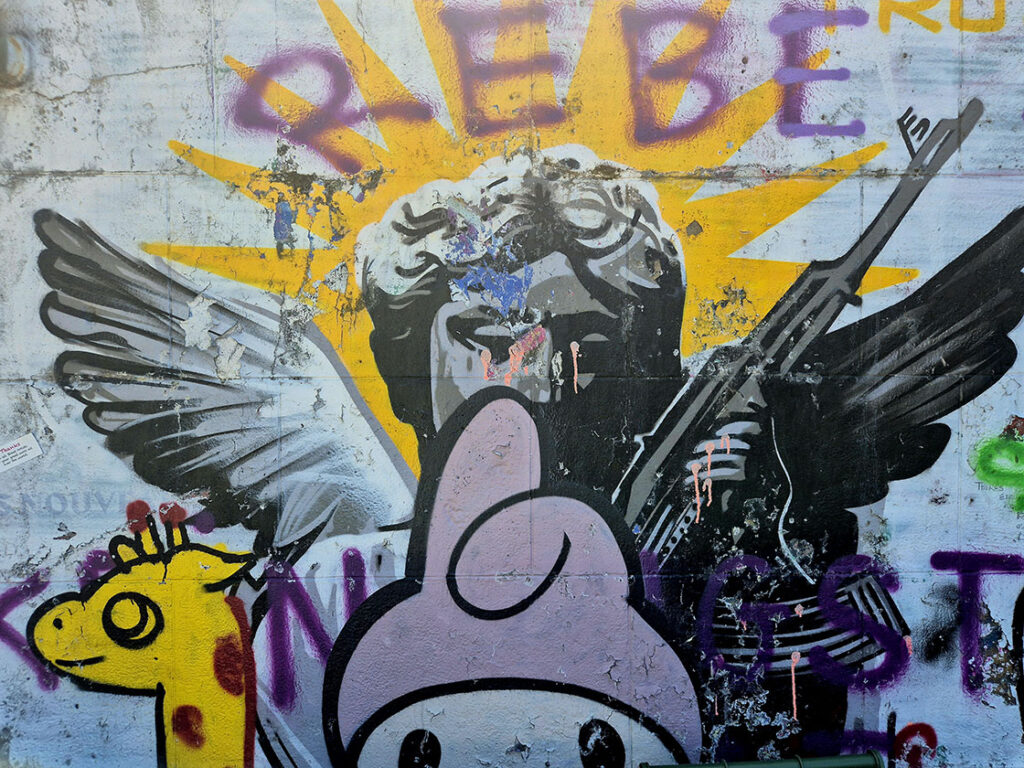
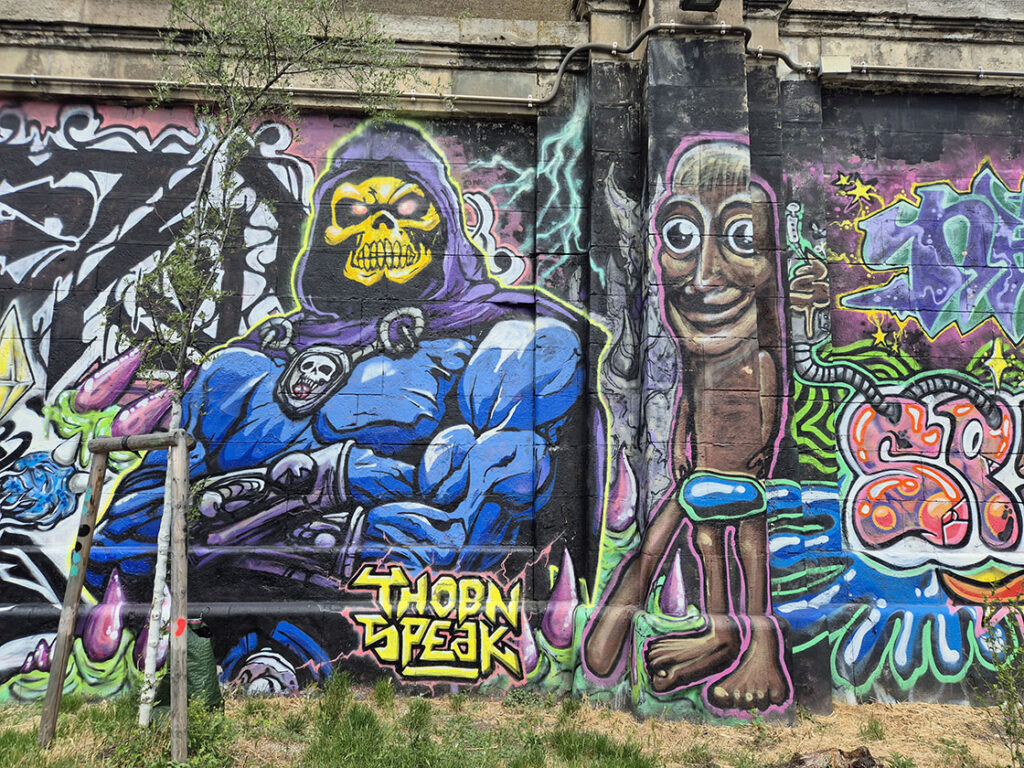
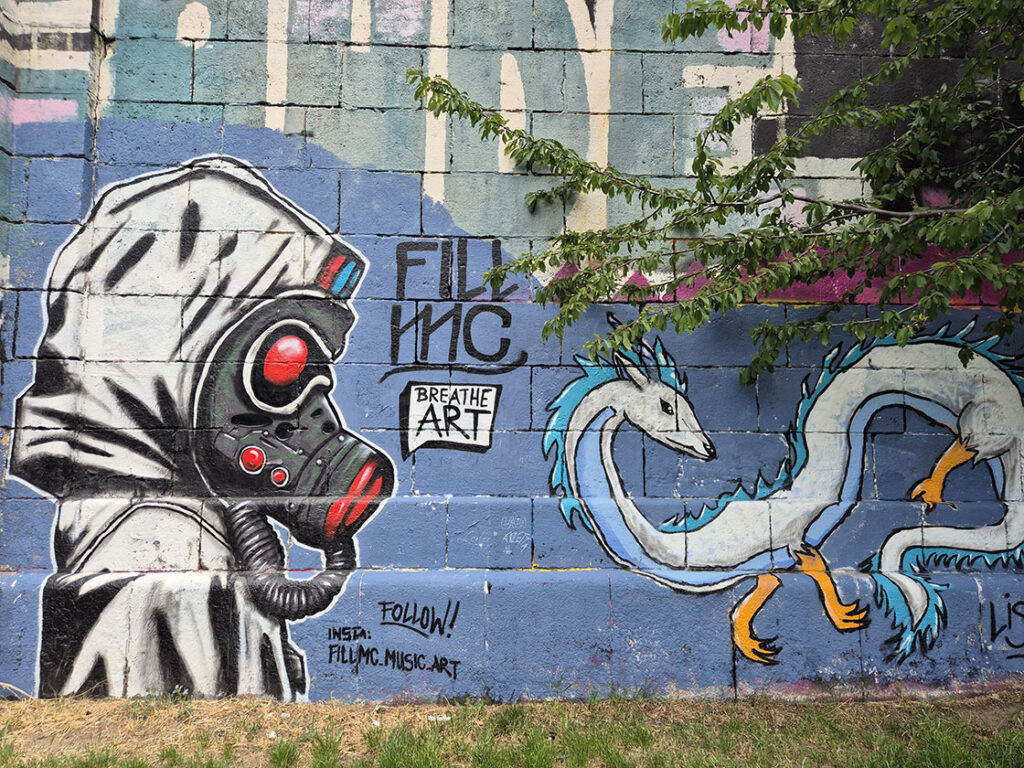
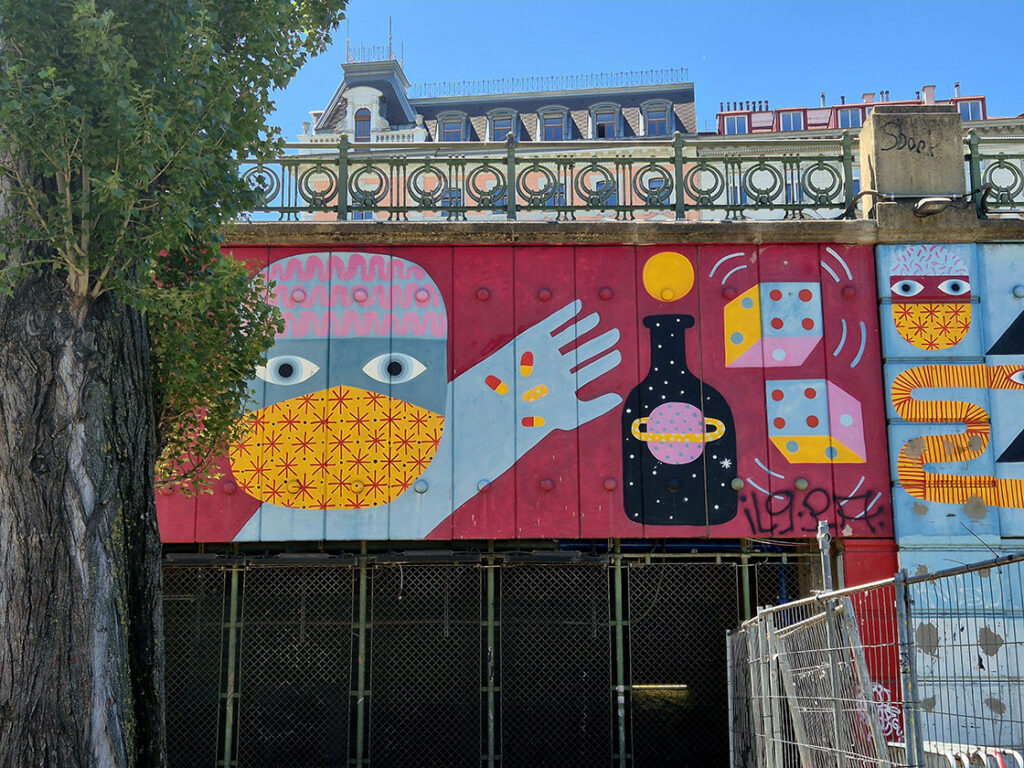
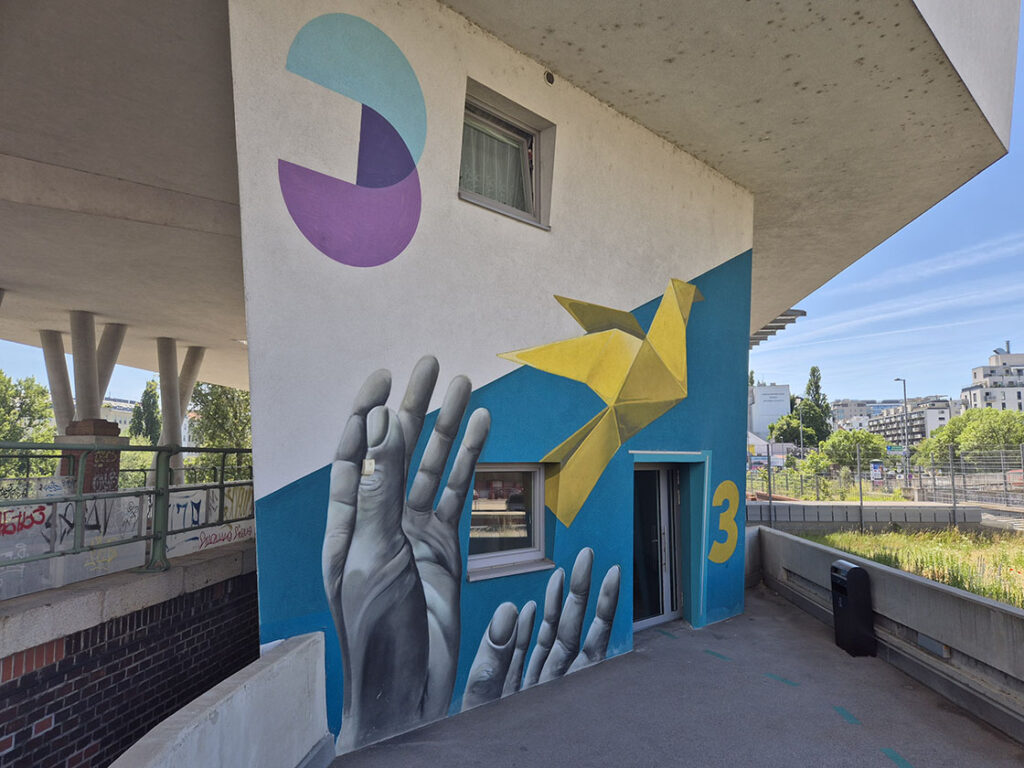
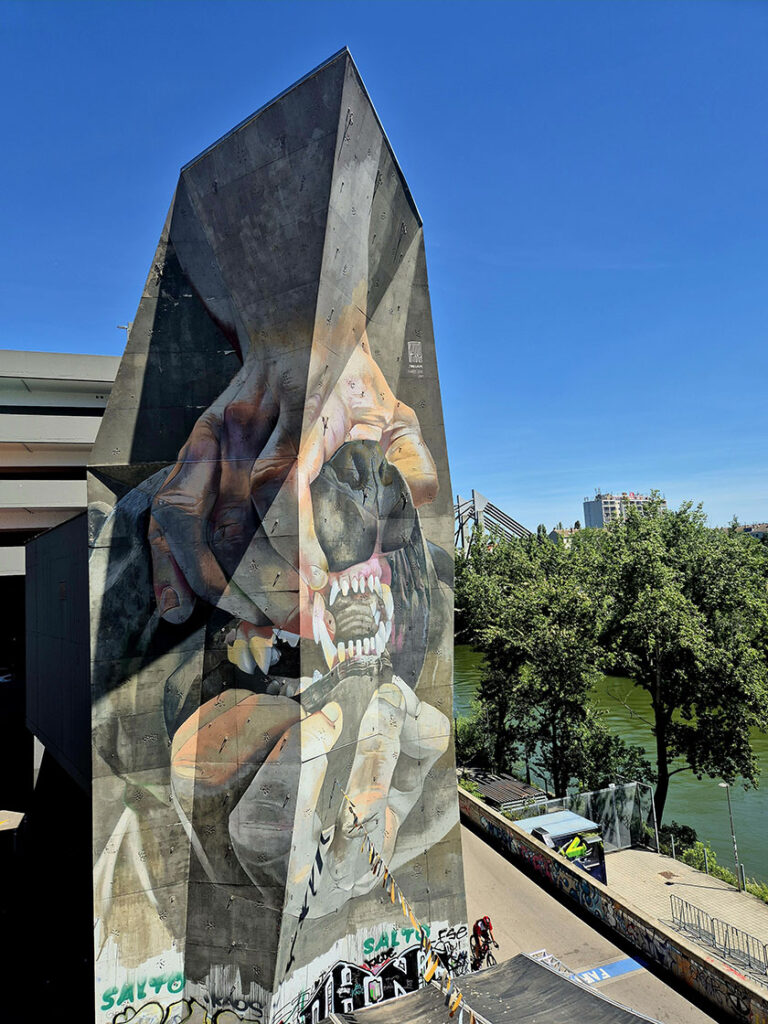
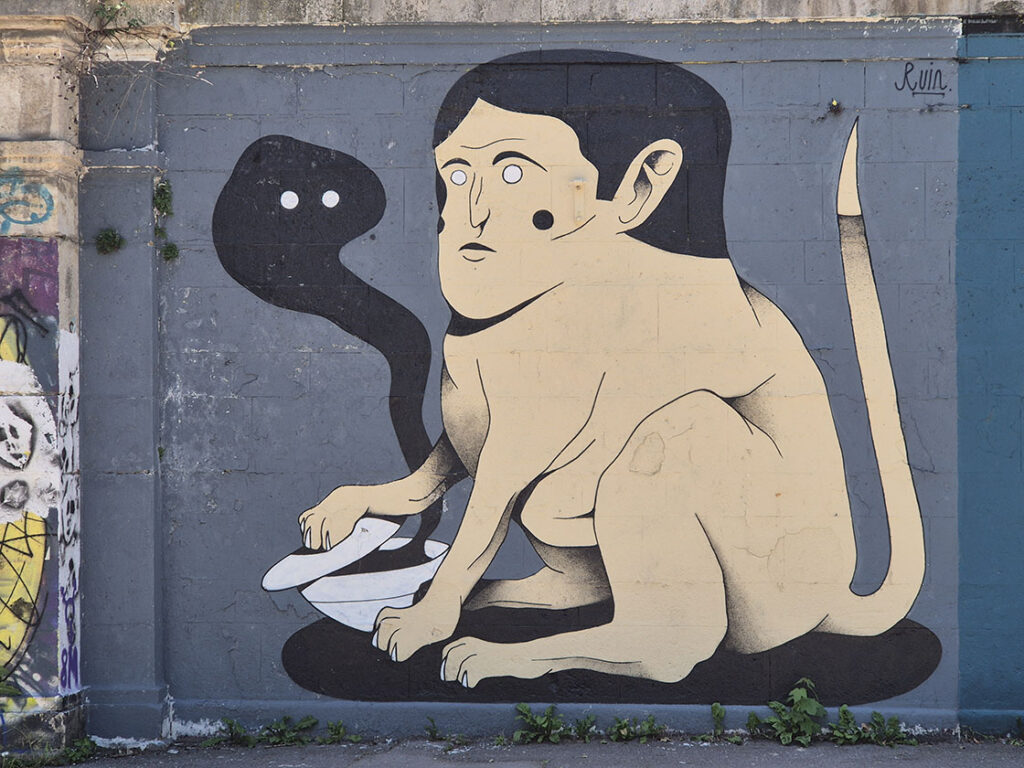
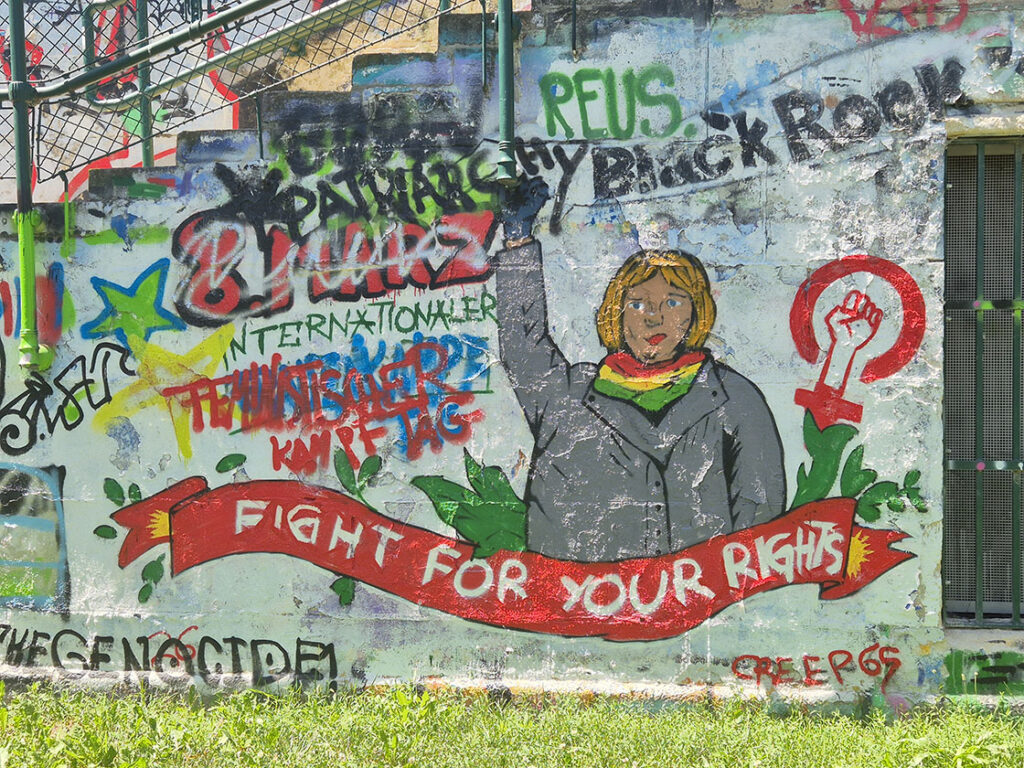
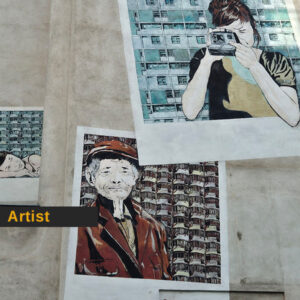
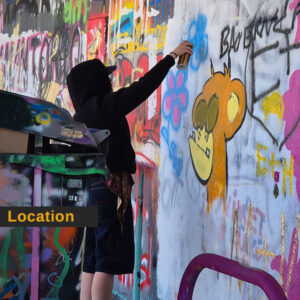
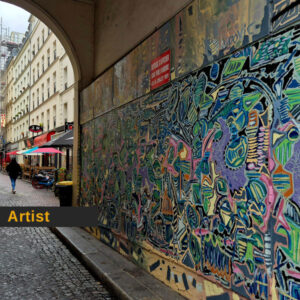
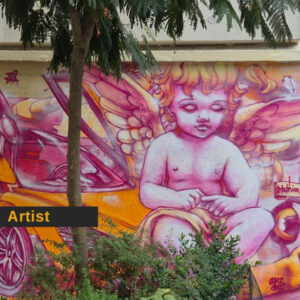
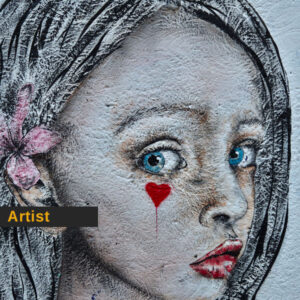
The Donaukanal brings together two worlds that are sometimes seen as opposites. On the one hand, there are carefully executed murals, some commissioned and others created independently by street artists. On the other hand, it is home to a highly active graffiti culture, including tags, throw ups, pieces, and works created quickly as part of the local visual language.
What makes the area unique is that neither of these worlds dominates the other. A large mural can appear alongside fresh graffiti painted only a few hours earlier. Small stickers and political stencils blend between enormous colourful works, all sharing the same space without losing their sense of authenticity.
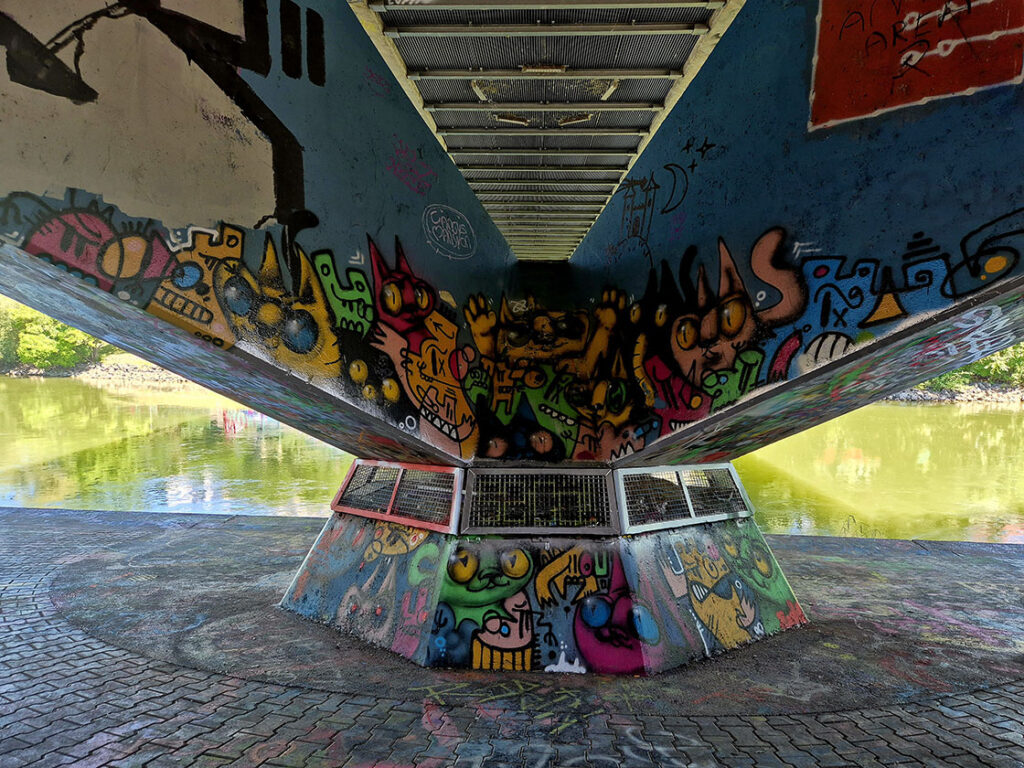
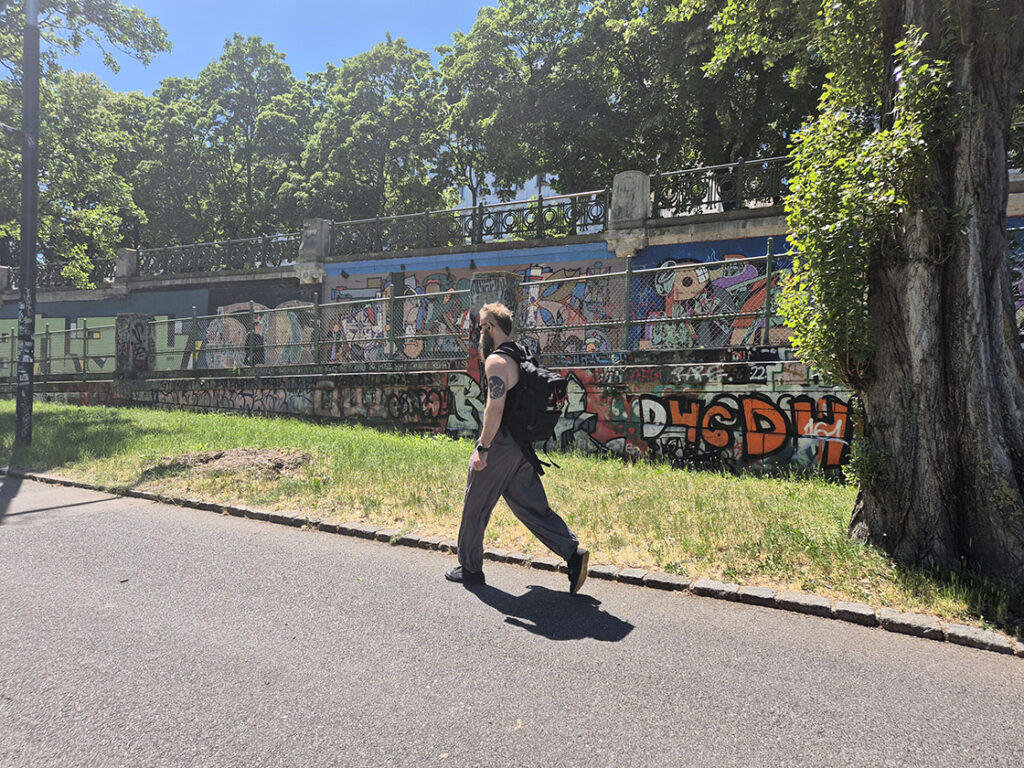
For photographers, it is a true celebration. Every few dozen metres, the atmosphere changes completely. One wall is filled with details and colours, another is minimalist, and a third is covered with texts and social messages. There is no single correct route and no single way to experience the place.
The Place to Understand the Local Scene
Anyone who visits only Vienna’s historic centre may leave with the impression that the city has almost no street art. This impression is misleading. The centre is carefully preserved, and its public space is characterised by historic architecture and relatively strict enforcement. The Donaukanal tells a completely different story.
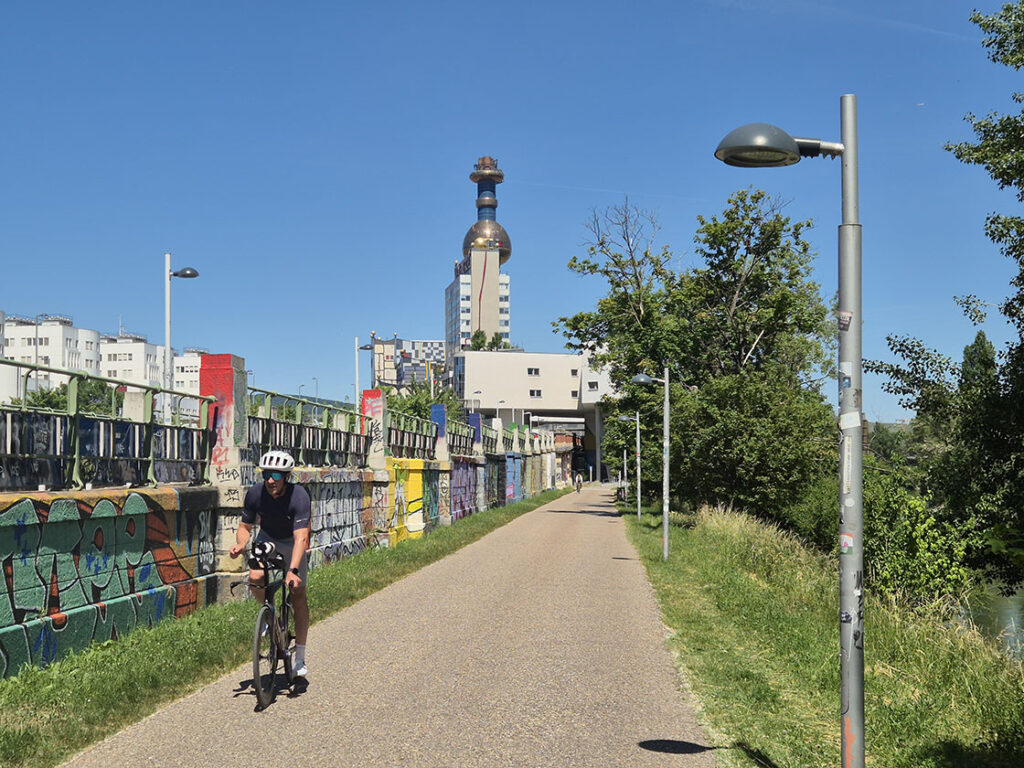
Here, you can understand just how deeply graffiti and street art are woven into urban life. Residents run along the canal, cyclists pass by at speed, and people sit beside the water with a cup of coffee or a beer, while an endless conversation unfolds on the walls around them. Sometimes it is colourful and humorous, sometimes political and critical, and sometimes simply an artist’s attempt to leave a mark in a place where it may soon disappear.
This is one of the reasons why visiting the area does not feel like visiting a tourist attraction. Even when photographers and art enthusiasts come here, the place seems to continue at its own pace, without trying to turn itself into a commercial attraction.
The Best Time to Visit
The Donaukanal can be visited at any time of year, but the experience changes greatly with the seasons. In spring and summer, the area comes alive. The cafés and bars along the canal open, the lawns fill with local residents, and the atmosphere resembles that of a large urban park. During these months, it is easy to spend many hours here without noticing the time pass. In winter, the picture is completely different. The cold weather makes the area quieter and sometimes even dramatic. This can actually be the best time to focus more closely on the walls themselves, without the crowds and activity that characterise the summer.
The time of day also affects the experience. In the early morning, the area is almost empty, and the low light is especially suitable for photography. In the afternoon, it fills with life, while in the evening you can enjoy the canal’s unique atmosphere as the bars begin to fill up.
How Much Time Should You Allow?
You can walk along the Donaukanal in half an hour, or spend an entire day here.
Those who simply want to tick the location off their list will probably be satisfied with a short walk. Those who enjoy photography, searching for smaller works, and paying attention to details, however, will discover that there is almost no end to what can be found here. Sometimes the most interesting work is hidden in a side passage, on a small concrete pillar, or behind a staircase that most visitors do not even notice.
I recommend arriving without a tight schedule. This is a place that rewards curiosity. The more time you spend here, the more layers, styles, and stories you will discover.
Not Just Art, but Urban Culture
Perhaps more than anywhere else in Vienna, the Donaukanal demonstrates that street art does not exist in isolation. It is part of an entire ecosystem of urban culture. Music, food, sport, leisure, and art all come together in the same space. This is why the area feels alive even to those who have no particular interest in graffiti.
The art is not detached from the city, but integrated into its everyday life. It does not try to stop the movement around it, but to become part of it. Perhaps this is why, even after spending hours walking along the canal, the experience feels less like visiting a gallery and more like becoming acquainted with one of Vienna’s most authentic places.
Among the artists whose works appear in the series of posts about street art and graffiti in Vienna: Martin Monet, Stinkfish, AERO, Aktion451, ACAD, ANTZ, BIRDMAN, BIRNE CREW, Boicut, CHINK, CINS, CORD, Creep65, Darja Šatalová, DSA Seven, EDDY, EXFUERZA, FILL MC, Frau Isa, GABINO, Gera 1, GLOD, GOGIRL, Graffiti Kitty, Guillem Font, Hession & Sun, Interesni Kazki, Invader, Jana & JS, Jakob Skirl, KAM2, Kathe Burkhart, Katie Merz, Kollektiv Kaorle, Ledania, Mael Dito, Marlene Hausegger, MESO, MRA, MROK, NENO, Ninet, Nychos, OBEY, OPA, OSA Seven, Oula Al Khatib, PANZA, PEKS, PHOBIA, PISON, Pixel Pancho, POSE, POTMAV, Purraco, Rabbit Eye Movement, Raffael Strasser, RESG, RIOT1394, Ripoff Crew, ROA, Ruin, SALTO, SAMBA, SHAQ, SHUE4X, SLIDE, Skirl, Sophie Esslinger, TEAM WIEN, The Weird, Thorn Speak, TWOOO, VODA WOTAN, WARS, Werjant, WISTER, YOH, ETAB, Yin